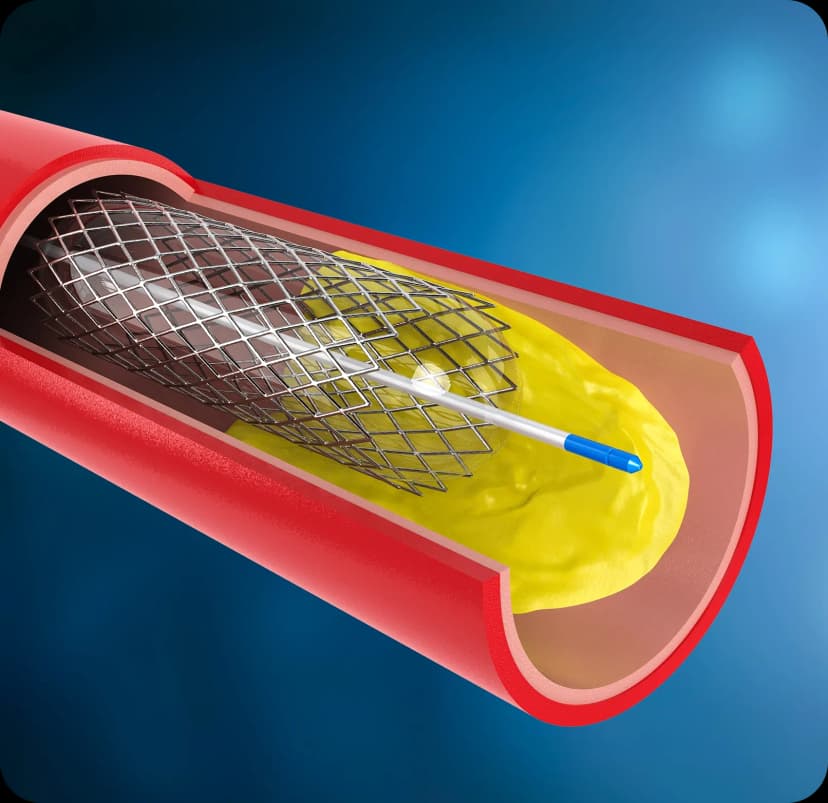
Angioplasty in India: Stent Cost, Procedure & Top Hospitals
Angioplasty is an invasive procedure to open clogged or blocked blood vessels of the heart. It uses a tiny balloon (catheter) to widen clogged artery improving blood flow. A stent keeps artery open, decreasing chances of artery from narrowing again. Reduces chest pain. Usually safe but carries risks. Healthy lifestyles needed, require shorter hospital stays.
Book Your ConsultationAngioplasty is an invasive procedure to open clogged or blocked blood vessels of the heart. It uses a tiny balloon (catheter) to widen clogged artery improving blood flow. A stent keeps artery open, decreasing chances of artery from narrowing again. Reduces chest pain. Usually safe but carries risks. Healthy lifestyles needed, require shorter hospital stays.
Symptoms Of Angioplasty in India: Stent Cost, Procedure & Top Hospitals
Symptoms
 Chest pain (Angina)
 Shortness of breath
 Fatigue
 Cold Sweats
Types of conditions
There are 4 main types of Angioplasty in India: Stent Cost, Procedure & Top Hospitals
Balloon Angioplasty
Cutting Balloon Angioplasty
Drug-Eluting Stent Placement
Rotational Atherectomy
Balloon Angioplasty
This is the most basic form, using a balloon catheter to widen the blockage. Stents are not always placed with this method.
Coronary Artery Disease (CAD)
Coronary artery disease (CAD) happens when the blood vessels supplying the heart get narrow or blocked. This occurs due to a buildup of plaque made of cholesterol, fat, and other stuff. CAD can lead to chest pain, shortness of breath, heart attacks, and other heart problems.
Symptoms of Coronary Artery Disease
An angioplasty may be necessary if you have:
- Chest pain (angina): A squeezing or pressure-like pain in the chest, often brought on by exertion and relieved by rest.
- Shortness of breath: Difficulty catching your breath, especially during activity or at rest.
- Fatigue: Feeling unusually tired or low on energy without exertion.
- Cold Sweats: Cold sweats may accompany other angina symptoms.
- Pain spreading to arm: Angina pain can sometimes travel to other areas besides the chest.
Diagnosis
Doctors use tests like:
- Coronary Angiography: They put a thin tube into a blood vessel and inject dye to see if there are any blockages in the heart arteries.
- Echocardiogram: This test uses sound waves to create pictures of the heart, showing its size, shape, and how well it's pumping blood.
Risk Factors
Things that increase the risk of CAD include:
- High Cholesterol: Too much cholesterol in the blood can lead to plaque buildup in the arteries.
- High Blood Pressure: This can harm the arteries over time, making them more likely to have plaque.
- Smoking: Chemicals in tobacco smoke can damage blood vessels and raise the risk of CAD.
- Diabetes: It can also damage blood vessels, increasing the chance of CAD.
- Family History of Heart Disease: Having close relatives with heart problems can raise the risk.
Preparing for Surgery
Before surgery, patients might need:
- Blood Tests: These check things like cholesterol and glucose levels.
- Chest X-ray: It gives images of the heart and lungs to check overall health.
- ECG (Electrocardiogram): It records the heart's electrical activity to find any issues.
Patients may also need to stop certain medications before surgery to lower the risk of complications.
Recovery
After surgery, patients usually stay in the hospital for 1-2 days. Full recovery might take several weeks, depending on the person's health and the surgery's extent.
Doctors often suggest lifestyle changes like eating better, exercising, quitting smoking, and managing conditions like high blood pressure and cholesterol.
Your journey to good health begins here

Accredited Hospitals
Nationally accredited hospitals for high-quality care

Multi-language Support
Convey your needs in the language you're most comfortable in

Travel Booking Assistance
Seamless booking assistance for your healthcare journey

Personalised Treatment Plans
A treatment journey tailored to all your preferences and needs

Unparalleled Hospitality
Experience exceptional hospitality during your stay

Easy Medical Visa Approvals
Dedicated assistance for medical visa requirements

Your Medical Assistant
Get instant help planning your treatment journey
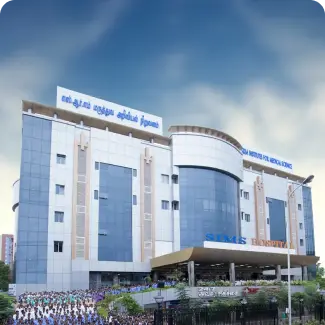
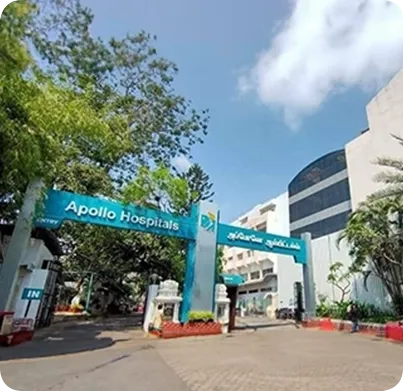
The best hospitals are partnered with Karetrip
Access world-class facilities from top hospitals








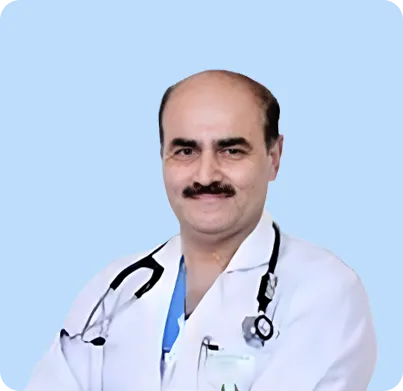
Consult with the most experienced doctors
Experience premium care from leading specialists



Cost estimation
Learn about the expenses involved in the procedure and what factors affect them.

Several factors can affect the cost estimation in angioplasty:
- Hospital type: Procedures at high-end hospitals or specialized cardiac centers generally cost more than those at smaller facilities.
- Location: Costs can vary depending on the geographic location due to differences in healthcare costs. Urban areas tend to be more expensive.
- Doctor's fees: The experience and reputation of the surgeon performing the angioplasty can influence the cost.
- Complexity of the procedure: Basic angioplasty with a single stent is less expensive than procedures involving multiple blockages, advanced techniques, or newer stent technologies.
- Type of stent: Drug-eluting stents, which release medication to prevent future blockages, are typically more expensive than bare-metal stents.
- Length of hospital stay: Complications or additional procedures during angioplasty can lead to a longer stay, increasing the cost.
- Insurance coverage: Deductibles, co-pays, and out-of-pocket expenses will vary depending on your insurance plan.
The average cost of Angioplasty in India: Stent Cost, Procedure & Top Hospitals in India is around ₹ 96,000 to ₹ 2,00,000.

₹ 2,00,000
High Cost
₹ 4,50,000
Average Cost
₹ 96,000
Low Cost
The LIST of AVERAGE COST of the Angioplasty in India: Stent Cost, Procedure & Top Hospitals across TOP 4 cities in India in Indian Rupee (INR) is as follows :
City
Lowest Cost
Average Cost
Highest Cost
Mumbai
₹ 1,50,000
₹ 3,50,000
₹ 4,50,000
Delhi
₹ 96,000
₹ 2,00,000
₹ 3,50,000
Hyderabad
₹ 1,00,000
₹ 2,00,000
₹ 3,00,000
Chennai
₹ 1,00,000
₹ 2,00,000
₹ 3,00,000
Commonly Asked Questions
What is angioplasty?
Angioplasty is a procedure to open narrowed or blocked arteries in the heart by inserting a balloon-tipped catheter and inflating it to widen the artery.
Why is angioplasty done?
Angioplasty is done to restore blood flow to the heart muscle, relieve chest pain (angina), and reduce the risk of heart attack.
How is angioplasty performed?
During angioplasty, a catheter with a balloon at its tip is inserted into a blood vessel and guided to the blocked artery in the heart. The balloon is then inflated to widen the artery.
Is angioplasty safe?
Angioplasty is generally considered safe, but like any medical procedure, it carries some risks, including bleeding, blood vessel damage, heart attack, stroke, and allergic reactions to contrast dye.
What are the preparations for angioplasty?
Preparing for angioplasty may involve fasting before the procedure, discussing medications with your doctor, informing about allergies, and arranging transportation to and from the hospital.
What is recovery like after angioplasty?
After angioplasty, you'll spend a day or two in the hospital for monitoring. Recovery at home may involve rest, medication, and following your doctor's instructions for activity levels and wound care.
Will I need to make lifestyle changes after angioplasty?
Yes, lifestyle changes are important after angioplasty to maintain heart health. Your doctor may recommend a heart-healthy diet, regular exercise, quitting smoking, managing stress, and controlling conditions like high blood pressure and cholesterol.
When can I return to normal activities after angioplasty?
Most people can return to normal activities within a few days to a week after angioplasty, but strenuous activities may need to be avoided for a few weeks. Your doctor will provide specific guidance based on your condition.



"I had a successful surgery at Fortis Escorts Hospital, and it was all thanks to Karetrip's help in finding the right hospital for me. The entire process was smooth and stress-free, with Karetrip handling all the arrangements and answering any questions I had. The medical team at the hospital was outstanding, and the facilities were top-notch. I highly recommend Karetrip to anyone looking for a tension-free healthcare experience."
Read MoreFatima
Chattogram

"Thanks to Karetrip, I got connected with MAX Hospital in New Delhi. The team guided me through every step - from finding the right doctor to handling travel and visas. They made a daunting process feel like a breeze. The care I received at MAX Hospital was outstanding, and I can't thank Karetrip enough for making it possible. They truly put patients first and go the extra mile to ensure a smooth healthcare journey. I'm grateful beyond words!"
Read MoreHasan
Dhaka

"At first, I was unsure about having a medical procedure done in a foreign country. However, Karetrip's team at Indraprastha Apollo Hospital made me feel much better. The hospital was very clean, modern, and had everything they needed to help me. The staff were very kind and did everything they could to make me feel comfortable. I'm really happy with how my treatment turned out, and I appreciate Karetrip for making it easy and stress-free."
Read MoreImran
Sylhet
 Google Reviews4.9/5


I had a successful surgery at Fortis Escorts Hospital, and it was all thanks to Karetrip's help in finding the right hospital for me. The entire process was smooth and stress-free, with Karetrip handling all the arrangements and answering any questions I had. The medical team at the hospital was outstanding, and the facilities were top-notch. I highly recommend Karetrip to anyone looking for a tension-free healthcare experience.
Fatima
Chattogram
Google Reviews4.9/5