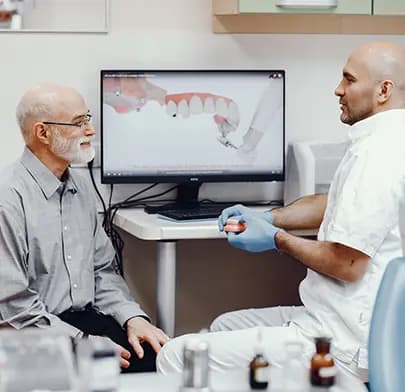
Implantology
Implantology involves the surgical placement of dental implants into the jawbone to support prosthetic teeth. It's a popular solution for replacing missing teeth, providing stability and function akin to natural teeth. The process typically includes assessment, implant placement, healing period, and attachment of custom-made restorations. Implantology offers long-term benefits in aesthetics, functionality, and oral health.
 Free Pick up and Drop
No Cost EMI
Post Surgery Care
Implantology involves the surgical placement of dental implants into the jawbone to support prosthetic teeth. It's a popular solution for replacing missing teeth, providing stability and function akin to natural teeth. The process typically includes assessment, implant placement, healing period, and attachment of custom-made restorations. Implantology offers long-term benefits in aesthetics, functionality, and oral health.
Symptoms of Implantology
Symptoms
 PainSwellingBleedingSensitivityRedness
Types of conditions
There are 5 main types of Implantology
Medications
Dental Procedures
Oral Surgery
Orthodontics
Implantology
Medications
Prescription or over-the-counter drugs to alleviate pain, reduce inflammation, or combat infection.
TYPES
-
Cavities (Dental Caries): Decay in the teeth caused by bacteria, leading to the formation of small holes or cavities.
-
Gum Disease (Periodontal Disease): Infection of the tissues surrounding and supporting the teeth, ranging from gingivitis (mild) to periodontitis (severe).
-
Tooth Sensitivity: Discomfort or pain when the teeth are exposed to hot, cold, sweet, or acidic foods and drinks due to exposed dentin or enamel erosion.
-
Tooth Abscess: Collection of pus caused by a bacterial infection, often resulting from untreated cavities or gum disease.
-
Malocclusion: Misalignment of the teeth or incorrect bite, which can lead to difficulties in chewing, speech problems, and jaw pain.
-
Oral Cancer: Abnormal growth of cells in the mouth, lips, tongue, or throat, often characterized by persistent sores, lumps, or red or white patches.
-
Bruxism: Involuntary grinding or clenching of the teeth, often during sleep, which can lead to tooth wear, jaw pain, and headaches.
-
Dry Mouth (Xerostomia): Insufficient saliva production, which can cause discomfort, difficulty swallowing, and an increased risk of cavities and gum disease.
-
Temporomandibular Joint (TMJ) Disorders: Conditions affecting the jaw joint and muscles, leading to pain, clicking or popping sounds, and restricted jaw movement.
-
Dental Trauma: Injuries to the teeth or mouth, such as fractures, avulsions (knocked-out teeth), or luxations (dislocated teeth), often resulting from accidents or sports injuries.
DIAGNOSIS
Diagnosis of dental conditions involves a comprehensive assessment of oral health through various methods such as:
-
Visual Examination: Inspection of the teeth, gums, tongue, and other oral tissues for signs of abnormalities, including cavities, gum disease, and oral lesions.
-
Dental X-Rays: Radiographic images used to detect hidden dental problems such as cavities between teeth, impacted teeth, and bone loss.
-
Probing and Measurement: Periodontal probing to assess gum health, measure pocket depths, and evaluate attachment loss in cases of periodontal disease.
-
Dental Impressions: Molds or impressions of the teeth and jaws to aid in diagnosing malocclusion, temporomandibular joint disorders, and for creating dental prosthetics.
-
Oral Cancer Screening: Examination of the oral tissues for suspicious lesions, followed by biopsy if necessary, to diagnose oral cancer.
-
Salivary Tests: Analysis of saliva to assess factors like pH levels, bacterial content, and saliva flow rate, which can provide insights into oral health and conditions like dry mouth.
-
Computerized Tomography (CT) Scans: Advanced imaging techniques used for detailed assessment of dental and maxillofacial structures in complex cases.
-
Laboratory Tests: Blood tests or cultures to identify systemic conditions that may affect oral health, such as diabetes or autoimmune disorders.
-
Digital Imaging: Use of digital photography or intraoral cameras to document dental conditions and aid in treatment planning and patient education.
-
Functional Analysis: Assessment of bite, jaw movement, and temporomandibular joint function to diagnose conditions like malocclusion and temporomandibular joint disorders.
CAUSES/RISK FACTORS
-
Poor Oral Hygiene: Inadequate brushing, flossing, and regular dental check-ups can lead to the buildup of plaque and tartar, increasing the risk of cavities and gum disease.
-
Sugary and Acidic Foods: Consumption of sugary snacks, beverages, and acidic foods can contribute to tooth decay by providing fuel for bacteria and eroding tooth enamel.
-
Tobacco Use: Smoking and chewing tobacco increase the risk of gum disease, tooth discoloration, oral cancer, and delayed healing after dental procedures.
-
Genetic Factors: Genetic predispositions can influence susceptibility to conditions such as gum disease, malocclusion, and oral cancer.
-
Poor Nutrition: Diets lacking essential nutrients like calcium, vitamin C, and vitamin D can weaken teeth and gums, making them more susceptible to decay and infection.
-
Dry Mouth: Certain medications, medical conditions, and lifestyle factors such as dehydration can cause dry mouth, reducing saliva production and increasing the risk of cavities and gum disease.
PREPARING FOR SURGERY
-
Consultation: Schedule a consultation with your surgeon to discuss the details of the surgery, including risks, benefits, and expectations.
-
Medical Evaluation: Undergo a comprehensive medical evaluation to assess your overall health, including any pre-existing conditions, medications, or allergies that may affect the surgery.
-
Follow Preoperative Instructions: Follow any preoperative instructions provided by your surgeon, which may include fasting before surgery, adjusting medications, or stopping certain supplements.
-
Arrange Transportation: Arrange transportation to and from the surgical facility, as you may not be able to drive yourself home after the procedure, especially if you will be under sedation or anesthesia.
-
Plan for Recovery: Prepare your home for postoperative recovery by stocking up on necessary supplies, arranging for assistance if needed, and creating a comfortable recovery space.
-
Communicate: Communicate openly with your surgeon about any concerns or questions you may have regarding the surgery or the recovery process.
-
Follow-up Care: Ensure that you have a plan for follow-up care, including postoperative appointments with your surgeon to monitor your progress and address any concerns.
TREATMENT DETAILS
TYPES
- Preventive Treatments:
- Dental Cleanings: Removal of plaque, tartar, and stains from the teeth to prevent cavities and gum disease.
- Fluoride Treatment: Application of fluoride to strengthen tooth enamel and prevent tooth decay.
- Dental Sealants: Application of a thin, protective coating to the chewing surfaces of the teeth to prevent cavities.
- Restorative Treatments:
- Fillings: Repair of cavities with materials such as amalgam, composite resin, or porcelain to restore the tooth's structure and function.
- Crowns: Placement of a custom-made cap over a damaged or decayed tooth to restore its shape, size, and strength.
- Bridges: Replacement of missing teeth by anchoring artificial teeth (pontics) to adjacent natural teeth or implants.
- Dental Implants: Surgical placement of artificial tooth roots into the jawbone to support replacement teeth.
- Dentures: Removable prosthetic devices used to replace missing teeth and surrounding tissues.
- Periodontal Treatments:
- Scaling and Root Planing: Deep cleaning of the teeth and roots to remove plaque and tartar from below the gumline and smooth the root surfaces.
- Gum Surgery: Surgical procedures such as flap surgery or gum grafts to treat advanced gum disease and repair damaged gum tissue.
- Cosmetic Treatments:
- Teeth Whitening: Bleaching of discolored or stained teeth to improve their appearance.
- Dental Bonding: Application of tooth-colored composite resin to repair chipped, cracked, or discolored teeth.
- Veneers: Thin shells of porcelain or composite resin bonded to the front surfaces of teeth to enhance their appearance.
- Orthodontic Treatments:
- Braces: Metal or ceramic brackets and wires attached to the teeth to correct misalignment and achieve a straighter smile.
- Clear Aligners: Custom-made, removable trays that gradually move the teeth into proper alignment without the use of braces.
- Oral Surgery:
- Tooth Extraction: Removal of damaged, decayed, or impacted teeth that cannot be saved with other treatments.
- Wisdom Teeth Removal: Surgical extraction of impacted wisdom teeth to prevent crowding, pain, and infection.
RECOVERY
-
Pain Management: Your dentist may prescribe pain medications or recommend over-the-counter pain relievers to manage discomfort. Follow the dosage instructions carefully.
-
Swelling: Apply ice packs to the affected area to help reduce swelling and discomfort, which is common after many dental procedures, particularly oral surgeries.
-
Bleeding: Bite down gently on a gauze pad placed over the area to help control bleeding if it occurs. If bleeding persists, contact your dentist.
-
Diet: Stick to soft foods and liquids immediately following dental procedures to avoid irritation to the treated area. Gradually introduce solid foods as you feel comfortable, avoiding hard, sticky, or spicy foods.
-
Oral Hygiene: Continue to brush and floss your teeth, but be gentle around the treated area to avoid causing irritation or dislodging any stitches. Your dentist may recommend special oral rinses or mouthwashes.
-
Follow-up Appointments: Attend any follow-up appointments scheduled by your dentist to monitor your healing progress and ensure proper recovery. Your dentist may remove stitches or perform additional treatments as needed.
-
Activity Restrictions: Depending on the procedure, your dentist may recommend limiting physical activity or avoiding strenuous exercise for a certain period to prevent complications or discomfort.
-
Complications: Contact your dentist if you experience severe or persistent pain, excessive bleeding, swelling, fever, or any other unusual symptoms during your recovery period. These could be signs of complications that require prompt attention.
Your journey to good health begins here

Accredited Hospitals
Nationally accredited hospitals for high-quality care

Multi-language Support
Convey your needs in the language you're most comfortable in

Travel Booking Assistance
Seamless booking assistance for your healthcare journey

Personalised Treatment Plans
A treatment journey tailored to all your preferences and needs

Unparalleled Hospitality
Experience exceptional hospitality during your stay

Easy Medical Visa Approvals
Dedicated assistance for medical visa requirements

Your Medical Assistant
Get instant help planning your treatment journey
The best hospitals are partnered with Karetrip
Access world-class facilities from top hospitals









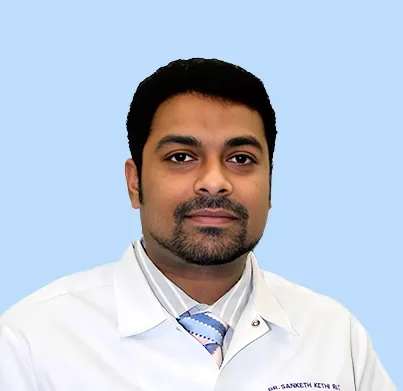
Consult with the most experienced doctors
Experience premium care from leading specialists





Cost estimation
Learn about the expenses involved in the procedure and what factors affect them.

Estimating the cost of surgery involves several factors, including the type of procedure, hospital fees, surgeon's charges, and additional expenses such as anesthesia and post-operative care. Costs can vary widely based on location and the complexity of the surgery. It's essential to consult with healthcare providers, discuss insurance coverage, and inquire about potential out-of-pocket expenses to ensure a comprehensive understanding of the financial aspects associated with the surgical procedure.
Get Cost EstimationThe average cost of Implantology in India is around ₹18,000 to ₹40,000.

₹40,000
High Cost
₹29,000
Average Cost
₹18,000
Low Cost
The LIST of AVERAGE COST of the Implantology across TOP 5 cities in India in Indian Rupee (INR) is as follows :
City
Lowest Cost
Average Cost
Highest Cost
Delhi
₹ 20,000
₹35,000
₹ 50,000
Mumbai
₹ 25,000
₹42,500
₹ 60,000
Bangalore
₹ 22,000
₹38,500
₹ 55,000
Chennai
₹ 18,000
₹31,500
₹ 45,000
Kolkata
₹18,000
₹29,000
₹40,000
Commonly Asked Questions
How often should I visit the dentist for a check-up?
It's generally recommended to visit the dentist for a check-up and cleaning every six months to maintain oral health and catch any issues early.
Is teeth whitening safe?
Yes, teeth whitening is generally safe when performed by a qualified dentist. However, overuse or improper application of whitening products can lead to tooth sensitivity or gum irritation.
Do dental implants hurt?
Dental implant surgery is typically performed under local anesthesia, so you should not feel pain during the procedure. Some discomfort or mild pain may occur afterward, but it can usually be managed with over-the-counter pain relievers.
How long does it take to recover from a tooth extraction?
Recovery time can vary depending on the complexity of the extraction and individual healing factors. Generally, it takes about a few days to a week to fully recover from a tooth extraction.
Can I eat normally after getting a filling?
Yes, you can typically eat normally after getting a filling. However, it's best to avoid hard or sticky foods immediately after the procedure until any numbness wears off.
How can I prevent cavities and gum disease?
Good oral hygiene habits such as brushing twice a day, flossing daily, and visiting the dentist regularly for check-ups and cleanings can help prevent cavities and gum disease.



"I had a successful surgery at Fortis Escorts Hospital, and it was all thanks to Karetrip's help in finding the right hospital for me. The entire process was smooth and stress-free, with Karetrip handling all the arrangements and answering any questions I had. The medical team at the hospital was outstanding, and the facilities were top-notch. I highly recommend Karetrip to anyone looking for a tension-free healthcare experience."
Read MoreFatima
Chattogram

"Thanks to Karetrip, I got connected with MAX Hospital in New Delhi. The team guided me through every step - from finding the right doctor to handling travel and visas. They made a daunting process feel like a breeze. The care I received at MAX Hospital was outstanding, and I can't thank Karetrip enough for making it possible. They truly put patients first and go the extra mile to ensure a smooth healthcare journey. I'm grateful beyond words!"
Read MoreHasan
Dhaka

"At first, I was unsure about having a medical procedure done in a foreign country. However, Karetrip's team at Indraprastha Apollo Hospital made me feel much better. The hospital was very clean, modern, and had everything they needed to help me. The staff were very kind and did everything they could to make me feel comfortable. I'm really happy with how my treatment turned out, and I appreciate Karetrip for making it easy and stress-free."
Read MoreImran
Sylhet
 Google Reviews4.9/5


I had a successful surgery at Fortis Escorts Hospital, and it was all thanks to Karetrip's help in finding the right hospital for me. The entire process was smooth and stress-free, with Karetrip handling all the arrangements and answering any questions I had. The medical team at the hospital was outstanding, and the facilities were top-notch. I highly recommend Karetrip to anyone looking for a tension-free healthcare experience.
Fatima
Chattogram
Google Reviews4.9/5