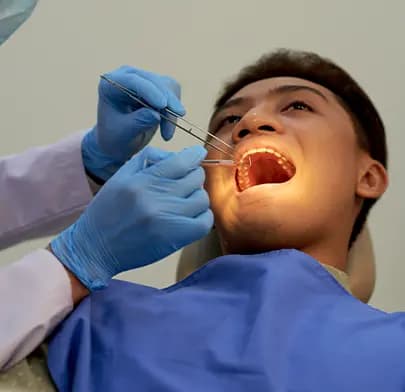
Oral and Maxillofacial Surgery
Oral and maxillofacial surgery involves the diagnosis and surgical treatment of diseases, injuries, and defects of the mouth, jaw, face, and neck. Procedures range from tooth extractions and dental implants to corrective jaw surgery and treatment of facial trauma.
 Free Pick up and Drop
No Cost EMI
Post Surgery Care
Oral and maxillofacial surgery involves the diagnosis and surgical treatment of diseases, injuries, and defects of the mouth, jaw, face, and neck. Procedures range from tooth extractions and dental implants to corrective jaw surgery and treatment of facial trauma.
Symptoms of Oral and Maxillofacial Surgery
Symptoms
 Jaw painFacial swellingDifficulty opening mouthChronic headachesClicking or popping jaw
Types of conditions
There are 3 main types of Oral and Maxillofacial Surgery
Temporomandibular joint (TMJ) disorders
Bruxism
Malocclusion
Temporomandibular joint (TMJ) disorders
Dysfunction or pain in the jaw joint and surrounding muscles.
TREATMENT OPTIONS:
- Medication: Pain relievers, muscle relaxants, and anti-inflammatories to manage symptoms.
- Oral splints or mouthguards: Custom-made devices to alleviate jaw pain and protect teeth from grinding.
- Physical therapy: Exercises to improve jaw mobility and reduce muscle tension.
- TMJ arthroscopy: Minimally invasive procedure to diagnose and treat TMJ disorders.
- Surgery: Reserved for severe cases, involving procedures like arthrocentesis, arthroplasty, or joint replacement.
DIAGNOSIS:
Oral and maxillofacial surgeons diagnose TMJ disorders through a combination of physical examination, medical history review, and diagnostic imaging such as X-rays, MRI, or CT scans. Clinical assessment involves evaluating jaw movement, muscle tenderness, joint noises, and bite alignment. Imaging studies help identify structural abnormalities, inflammation, or degenerative changes within the TMJ and surrounding structures.
CAUSES/RISK FACTORS:
- Trauma: Injury to the jaw or temporomandibular joint.
- Teeth misalignment: Malocclusion or irregular bite patterns.
- Stress: Psychological stress leading to jaw clenching or grinding.
- Arthritis: Degenerative joint diseases affecting the TMJ.
- Genetics: Hereditary factors predisposing to TMJ disorders.
- Dental procedures: Dental work or surgeries affecting the jaw structure.
PREPARING FOR SURGERY:
- Follow pre-operative instructions provided by the surgeon or medical team.
- Arrange for transportation to and from the hospital or surgical facility.
- Discuss any allergies, medications, or medical conditions with the healthcare provider.
- Plan for post-operative care and support at home, including dietary modifications and pain management.
TREATMENT DETAILS:
TYPES:
Treatment options range from conservative measures like medication and therapy to surgical interventions such as arthroscopy or joint replacement.
TECHNOLOGY USED/FACILITIES AVAILABLE:
Advanced imaging techniques like MRI or CT scans aid in diagnosis. Some facilities offer computer-assisted TMJ surgery for precise interventions.
RECOVERY:
- Recovery time varies depending on the type and complexity of treatment.
- Patients may experience temporary discomfort, swelling, or restricted jaw movement post-surgery.
- Follow-up appointments and adherence to post-operative instructions are essential for optimal recovery.
Your journey to good health begins here

Accredited Hospitals
Nationally accredited hospitals for high-quality care

Multi-language Support
Convey your needs in the language you're most comfortable in

Travel Booking Assistance
Seamless booking assistance for your healthcare journey

Personalised Treatment Plans
A treatment journey tailored to all your preferences and needs

Unparalleled Hospitality
Experience exceptional hospitality during your stay

Easy Medical Visa Approvals
Dedicated assistance for medical visa requirements

Your Medical Assistant
Get instant help planning your treatment journey
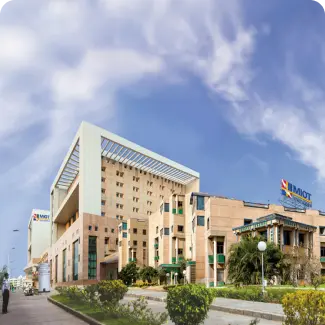
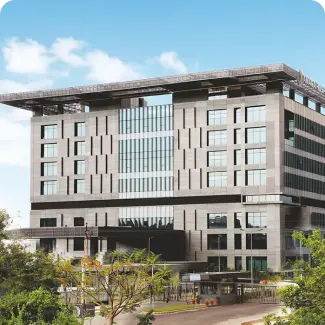
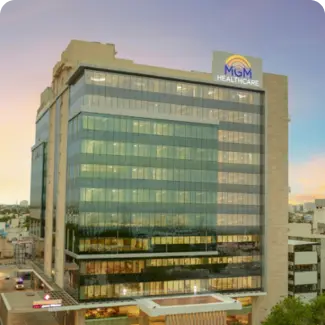
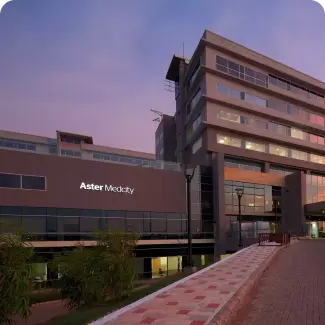
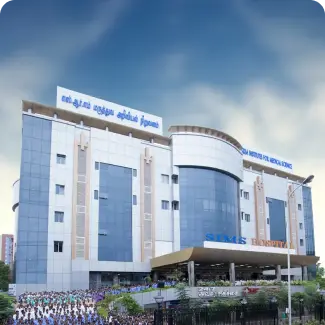
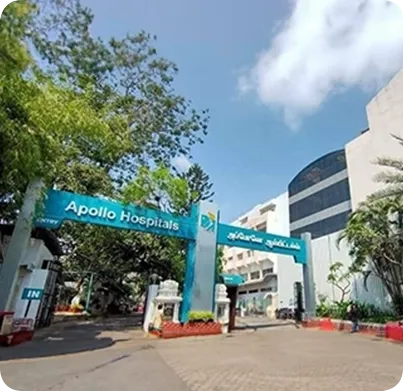
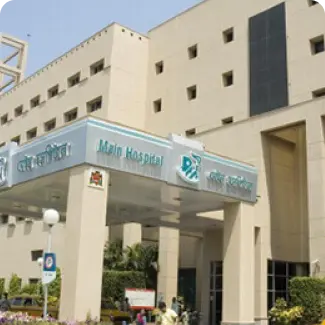
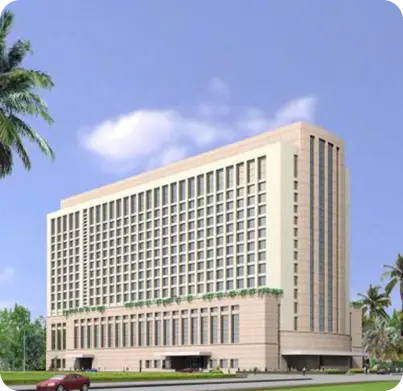
The best hospitals are partnered with Karetrip
Access world-class facilities from top hospitals


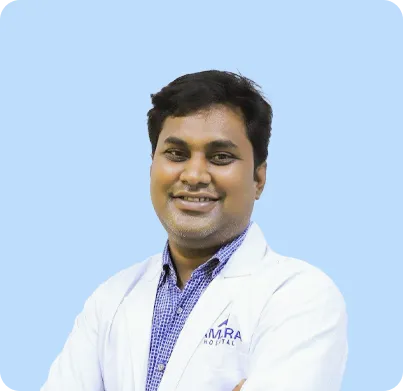
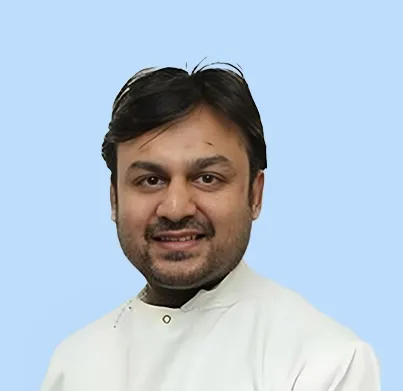
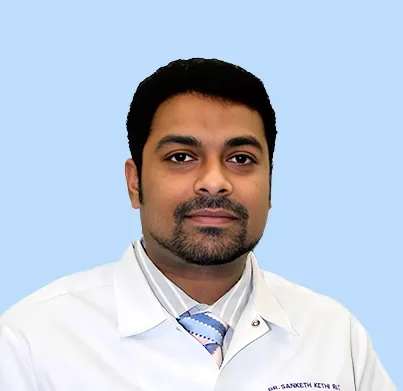
Consult with the most experienced doctors
Experience premium care from leading specialists


Cost estimation
Learn about the expenses involved in the procedure and what factors affect them.

- Overview:
The cost of treatment varies based on factors such as the type of procedure, surgeon's fees, hospital charges, and geographical location.
- Specific cost across cities in India:
The average cost of Oral and Maxillofacial Surgery in India is around ₹41,600 to ₹2,08,000.

₹2,08,000
High Cost
₹1,24,800
Average Cost
₹41,600
Low Cost
The LIST of AVERAGE COST of the Oral and Maxillofacial Surgery across TOP 5 cities in India in Indian Rupee (INR) is as follows :
City
Lowest Cost
Average Cost
Highest Cost
Mumbai
₹48,400
₹1,49,200
₹2,50,000
Delhi
₹41,600
₹1,24,800
₹2,08,000
Bangalore
₹43,150
₹1,73,550
₹2,16,700
Chennai
₹44,490
₹1,35,745
₹2,27,000
Kolkata
₹42,940
₹1,29,145
₹2,15,350
Commonly Asked Questions
Is TMJ surgery always necessary?
No, surgery is usually reserved for severe cases that don't respond to conservative treatments.
How long does TMJ surgery take?
The duration of surgery depends on the specific procedure but typically ranges from 1 to 3 hours.
Can TMJ disorders be cured completely?
While some cases may resolve with treatment, TMJ disorders are often chronic conditions managed with ongoing care.
Are there any dietary restrictions after TMJ surgery?
Soft foods may be recommended initially, with gradual reintroduction of a regular diet as healing progresses.
Will insurance cover TMJ treatment costs?
Coverage varies depending on the insurance plan and the specific treatment. Check with your provider for details.
How soon can I resume normal activities after TMJ surgery?
Recovery timelines vary, but most patients can return to light activities within a few days to a week.
Can TMJ disorders affect speech?
Severe TMJ disorders may impact speech due to pain or restricted jaw movement, but this is uncommon.
Are there any long-term complications of TMJ surgery?
Complications are rare but may include infection, nerve damage, or joint stiffness. Regular follow-up care helps prevent and address these issues.



"I had a successful surgery at Fortis Escorts Hospital, and it was all thanks to Karetrip's help in finding the right hospital for me. The entire process was smooth and stress-free, with Karetrip handling all the arrangements and answering any questions I had. The medical team at the hospital was outstanding, and the facilities were top-notch. I highly recommend Karetrip to anyone looking for a tension-free healthcare experience."
Read MoreFatima
Chattogram

"Thanks to Karetrip, I got connected with MAX Hospital in New Delhi. The team guided me through every step - from finding the right doctor to handling travel and visas. They made a daunting process feel like a breeze. The care I received at MAX Hospital was outstanding, and I can't thank Karetrip enough for making it possible. They truly put patients first and go the extra mile to ensure a smooth healthcare journey. I'm grateful beyond words!"
Read MoreHasan
Dhaka

"At first, I was unsure about having a medical procedure done in a foreign country. However, Karetrip's team at Indraprastha Apollo Hospital made me feel much better. The hospital was very clean, modern, and had everything they needed to help me. The staff were very kind and did everything they could to make me feel comfortable. I'm really happy with how my treatment turned out, and I appreciate Karetrip for making it easy and stress-free."
Read MoreImran
Sylhet
 Google Reviews4.9/5


I had a successful surgery at Fortis Escorts Hospital, and it was all thanks to Karetrip's help in finding the right hospital for me. The entire process was smooth and stress-free, with Karetrip handling all the arrangements and answering any questions I had. The medical team at the hospital was outstanding, and the facilities were top-notch. I highly recommend Karetrip to anyone looking for a tension-free healthcare experience.
Fatima
Chattogram
Google Reviews4.9/5