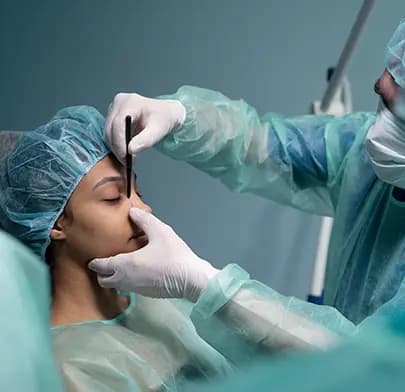
Maxillary Sinus Endoscopy
Maxillary sinus endoscopy is a specialized surgical procedure that focuses on restoring and improving the function of the sinuses. Utilizing advanced endoscopic techniques, skilled surgeons can access and treat sinus-related issues, such as chronic sinusitis, nasal polyps, and infections. This minimally invasive approach minimizes discomfort and recovery time, offering patients enhanced breathing, reduced inflammation, and improved overall quality of life. If you suffer from persistent sinus problems, consulting with an experienced endoscopic sinus surgeon can provide effective solutions and restore your well-being. Contact us for expert advice and consultation with leading endoscopic sinus surgeons in India.
 Easy Medical Visa Approvals
Travel Booking Assistance
Comprehensive Treatment Plans
Multi-Language Support
Maxillary sinus endoscopy is a specialized surgical procedure that focuses on restoring and improving the function of the sinuses. Utilizing advanced endoscopic techniques, skilled surgeons can access and treat sinus-related issues, such as chronic sinusitis, nasal polyps, and infections. This minimally invasive approach minimizes discomfort and recovery time, offering patients enhanced breathing, reduced inflammation, and improved overall quality of life. If you suffer from persistent sinus problems, consulting with an experienced endoscopic sinus surgeon can provide effective solutions and restore your well-being. Contact us for expert advice and consultation with leading endoscopic sinus surgeons in India.
Diagnose and treat conditions affecting the Maxillary Sinuses
Symptoms
 Chronic Sinusitis
 Nasal Polyps
 Sinus Infections
 Deviated Septum
Types of conditions
There are 0 main types of Maxillary Sinus Endoscopy
WHO NEEDS MAXILLARY SINUS ENDOSCOPY?
Maxillary sinus endoscopy is typically recommended for individuals who have persistent or chronic sinus issues that haven't responded adequately to medical treatments. Here are some common conditions that may necessitate this procedure:
-
Chronic sinusitis: Persistent inflammation and infection of the sinus cavities.
-
Nasal polyps: Noncancerous growths in the nasal passages that can obstruct sinus drainage.
-
Recurrent sinus infections: Frequent and severe sinus infections.
-
Sinus-related headaches: Persistent headaches or facial pain associated with sinus problems.
-
Loss of smell: Difficulty smelling due to sinus blockage.
-
Nasal congestion: Persistent stuffiness or difficulty breathing through the nose
BENEFITS OF MAXILLARY SINUS ENDOSCOPY
-
Minimally invasive: Performed through the nostrils, avoiding external incisions.
-
Quick recovery: Most patients experience a relatively short recovery time.
-
Improved breathing: Effective in relieving congestion and sinus pressure.
-
Reduced infections: Addresses the underlying causes of recurrent sinus infections.
-
Enhanced quality of life: Improves overall well-being and daily activities.
TYPES OF MAXILLARY SINUS ENDOSCOPY
Functional Endoscopic Sinus Surgery (FESS)
This is the most common type of sinus surgery and involves using an endoscope to identify and correct structural abnormalities within the sinuses.
It can include procedures such as:
-
Ungiectomy: Removal of the uncinate process to improve sinus drainage.
-
Maxillary antrostomy: Creating or enlarging the opening to the maxillary sinus.
-
Ethmoidectomy: Removal of diseased tissue from the ethmoid sinuses.
Balloon Sinuplasty
A less invasive alternative to traditional surgery, balloon sinuplasty uses a balloon catheter to open the sinus passages.
Caldwell-Luc Procedure
This is an older, more invasive procedure that involves creating an opening in the upper jaw to access the maxillary sinus. It's less commonly performed today due to advancements in endoscopic techniques
Risks in Maxillary sinus endoscopy
-
Bleeding: Minor bleeding is common, but excessive bleeding is rare.
-
Infection: There is a slight risk of post-operative infection.
-
Perforation: Rarely, the procedure might cause a perforation (a hole) in the sinus wall or adjacent structures.
-
Vision Problems: In extremely rare cases, complications may affect the eyes
ADVANCEMENTS IN MAXILLARY SINUS ENDOSCOPY
Maxillary sinus endoscopy has seen significant advancements in recent years, leading to improved patient outcomes and reduced recovery times. Some of the key developments include:
Technological Advancements
-
Image-guided surgery: Using advanced imaging techniques, surgeons can visualize the sinus structures in real-time, enhancing precision and minimizing complications.
-
Minimally invasive instruments: The development of smaller, more refined instruments allows for delicate procedures with less tissue damage.
-
Endoscopic visualization: Improved endoscopic technology offers better clarity and magnification, aiding in surgical precision.
Surgical Techniques
-
Balloon sinuplasty: A less invasive alternative to traditional surgery, using a balloon catheter to open the sinus ostia.
-
Combined endoscopic and radiofrequency techniques: This approach combines the benefits of both methods, offering potential advantages in certain cases.
-
Functional endoscopic sinus surgery (FESS) refinements: Continuous improvements in FESS techniques have led to shorter recovery times and better long-term results.
Your journey to good health begins here

Accredited Hospitals
Nationally accredited hospitals for high-quality care

Multi-language Support
Convey your needs in the language you're most comfortable in

Travel Booking Assistance
Seamless booking assistance for your healthcare journey

Personalised Treatment Plans
A treatment journey tailored to all your preferences and needs

Unparalleled Hospitality
Experience exceptional hospitality during your stay

Easy Medical Visa Approvals
Dedicated assistance for medical visa requirements

Your Medical Assistant
Get instant help planning your treatment journey
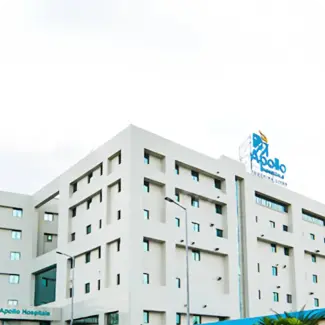
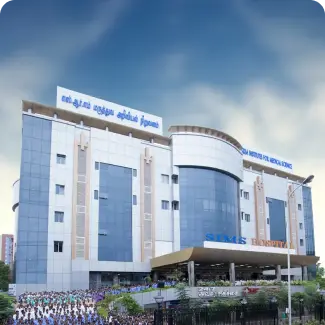
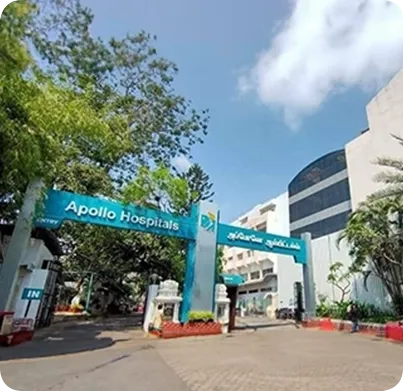
The best hospitals are partnered with Karetrip
Access world-class facilities from top hospitals







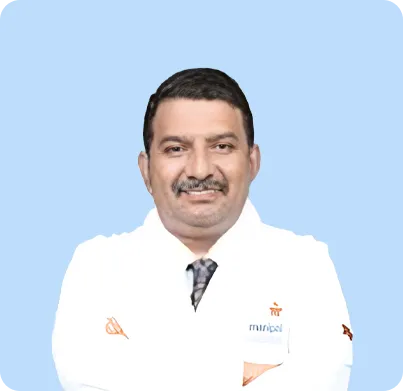
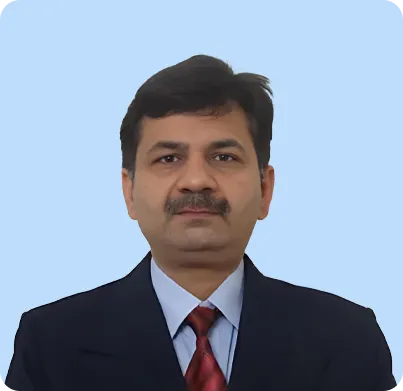
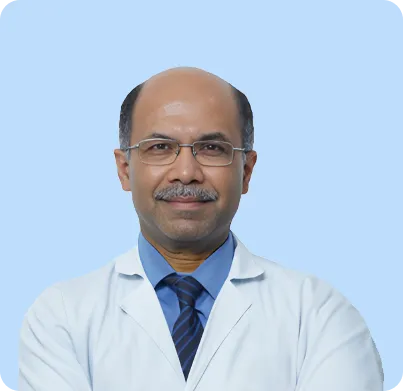
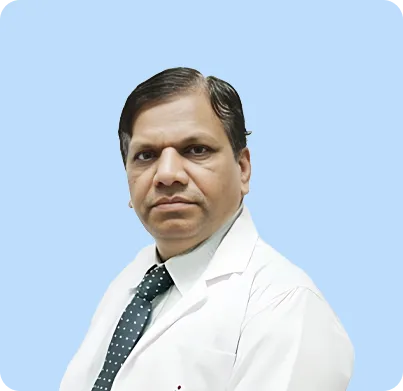
Consult with the most experienced doctors
Experience premium care from leading specialists


Cost estimation
Learn about the expenses involved in the procedure and what factors affect them.

Maxillary sinus endoscopy is a specialized surgical procedure that focuses on restoring and improving the function of the sinuses. Utilizing advanced endoscopic techniques, skilled surgeons can access and treat sinus-related issues, such as chronic sinusitis, nasal polyps, and infections. This minimally invasive approach minimizes discomfort and recovery time, offering patients enhanced breathing, reduced inflammation, and improved overall quality of life. If you suffer from persistent sinus problems, consulting with an experienced endoscopic sinus surgeon can provide effective solutions and restore your well-being. Contact us for expert advice and consultation with leading endoscopic sinus surgeons in India.
Get Cost EstimationThe average cost of Maxillary Sinus Endoscopy in India is around to .

High Cost
Average Cost
Low Cost
The LIST of AVERAGE COST of the Maxillary Sinus Endoscopy across TOP 0 cities in India in Indian Rupee (INR) is as follows :
City
Lowest Cost
Average Cost
Highest Cost
Commonly Asked Questions
What is maxillary sinus endoscopy?
Maxillary sinus endoscopy is a surgical procedure that uses a thin, lighted scope (endoscope) to examine and treat problems within the maxillary sinuses.
Why is maxillary sinus endoscopy performed?
It's performed to treat conditions like chronic sinusitis, nasal polyps, and sinus infections that haven't responded to medical treatment.
How is maxillary sinus endoscopy performed?
The procedure involves inserting a thin scope through the nostrils to reach the sinuses. Surgical instruments are used to remove any blockages or diseased tissue.
Is maxillary sinus endoscopy painful?
You'll be given anesthesia during the procedure, so you won't feel any pain. You may experience some discomfort after the surgery, but pain medication can help.
How long does maxillary sinus endoscopy take?
The procedure typically takes about one to two hours, but it can vary depending on the complexity of the case.
What is the recovery time for maxillary sinus endoscopy?
Most people can return to their normal activities within a few days to a week. However, it may take several weeks for the sinuses to fully heal.
Are there any risks associated with maxillary sinus endoscopy?
As with any surgery, there are risks, including bleeding, infection, and damage to nearby structures. However, these complications are rare.
What are the benefits of maxillary sinus endoscopy?
It can significantly improve breathing, reduce sinus infections, and alleviate sinus-related headaches.
How long do the results of maxillary sinus endoscopy last?
The results can last for many years, but it's possible to develop sinus problems again in the future.
Can maxillary sinus endoscopy be performed on children?
Yes, it can be performed on children, but it's typically reserved for severe cases that haven't responded to other treatments.
What should I expect after maxillary sinus endoscopy?
You may experience nasal congestion, stuffiness, and mild facial pain for a few days. It's important to follow your doctor's post-operative instructions.



"I had a successful surgery at Fortis Escorts Hospital, and it was all thanks to Karetrip's help in finding the right hospital for me. The entire process was smooth and stress-free, with Karetrip handling all the arrangements and answering any questions I had. The medical team at the hospital was outstanding, and the facilities were top-notch. I highly recommend Karetrip to anyone looking for a tension-free healthcare experience."
Read MoreFatima
Chattogram

"Thanks to Karetrip, I got connected with MAX Hospital in New Delhi. The team guided me through every step - from finding the right doctor to handling travel and visas. They made a daunting process feel like a breeze. The care I received at MAX Hospital was outstanding, and I can't thank Karetrip enough for making it possible. They truly put patients first and go the extra mile to ensure a smooth healthcare journey. I'm grateful beyond words!"
Read MoreHasan
Dhaka

"At first, I was unsure about having a medical procedure done in a foreign country. However, Karetrip's team at Indraprastha Apollo Hospital made me feel much better. The hospital was very clean, modern, and had everything they needed to help me. The staff were very kind and did everything they could to make me feel comfortable. I'm really happy with how my treatment turned out, and I appreciate Karetrip for making it easy and stress-free."
Read MoreImran
Sylhet
 Google Reviews4.9/5


I had a successful surgery at Fortis Escorts Hospital, and it was all thanks to Karetrip's help in finding the right hospital for me. The entire process was smooth and stress-free, with Karetrip handling all the arrangements and answering any questions I had. The medical team at the hospital was outstanding, and the facilities were top-notch. I highly recommend Karetrip to anyone looking for a tension-free healthcare experience.
Fatima
Chattogram
Google Reviews4.9/5