
Speech Therapy
Speech therapy is a personalized treatment aimed at improving communication skills, including speech, language, voice, and fluency. Therapists employ various techniques such as articulation exercises, language drills, and breathing exercises to address specific challenges. The goal is to enhance communication abilities and promote confidence in verbal expression.
 Free Pick up and Drop
No Cost EMI
Post Surgery Care
Speech therapy is a personalized treatment aimed at improving communication skills, including speech, language, voice, and fluency. Therapists employ various techniques such as articulation exercises, language drills, and breathing exercises to address specific challenges. The goal is to enhance communication abilities and promote confidence in verbal expression.
Symptoms of speech disorders
Symptoms
 Articulating soundsLimited vocabularyStutteringVoice disorders
Types of conditions
There are 5 main types of Speech Therapy
Speech therapy
Assistive technology
Oral motor exercises
Voice disorders
Pharmacotherapy
Speech therapy
Targeted sessions with a licensed speech-language pathologist to improve communication skills.
TYPES OF CONDITIONS
- Articulation disorders: Difficulty producing speech sounds or forming words correctly.
- Language disorders: Challenges in understanding language (receptive) or expressing thoughts and ideas (expressive).
- Fluency disorders: Speech disruptions such as stuttering, repetitions, or prolongations.
- Voice disorders: Changes in pitch, volume, or quality of voice due to issues with vocal cords or other parts of the vocal mechanism.
- Aphasia: Difficulty understanding or producing language due to brain injury or stroke.
- Dysarthria: Weakness, slowness, or lack of coordination in the muscles used for speech due to neurological conditions like cerebral palsy or Parkinson's disease.
- Apraxia of speech: Difficulty planning and coordinating the movements needed for speech production, often caused by neurological conditions.
- Swallowing disorders (dysphagia): Difficulty swallowing food, liquids, or saliva, which can be caused by various medical conditions or neurological issues.
DIAGNOSIS
Diagnosis in speech therapy involves a comprehensive assessment of an individual's communication skills, including speech, language, voice, and fluency. This process may include:
- Case history: Gathering information about the individual's medical history, developmental milestones, and any previous interventions or therapies.
- Standardized assessments: Administering standardized tests to evaluate speech sounds, language skills, voice quality, and fluency.
- Observations: Assessing communication abilities in various contexts, such as conversation, reading, and storytelling.
- Clinical observations: Observing factors like oral motor skills, breathing patterns, and non-verbal communication.
- Collaboration: Consulting with other healthcare professionals, such as physicians, neurologists, or psychologists, to determine underlying causes or contributing factors.
- Individualized goals: Establishing specific, measurable goals based on assessment findings to guide the development of a personalized treatment plan.
CAUSES/RISK FACTORS
Certainly, here are some common causes and risk factors associated with speech and language disorders:
- Developmental factors: Delayed or disordered development of speech and language skills, often due to genetic predispositions or environmental influences.
- Neurological conditions: Conditions affecting the brain, such as cerebral palsy, autism spectrum disorder, traumatic brain injury, or stroke, can impact speech and language abilities.
- Hearing loss: Impaired hearing from birth or acquired hearing loss can affect speech development and language comprehension.
- Environmental factors: Lack of exposure to language-rich environments, limited access to educational resources, or socio-economic factors may contribute to speech and language delays.
- Structural abnormalities: Anatomical issues such as cleft palate, tongue-tie (ankyloglossia), or abnormalities in the vocal cords can affect speech production and clarity.
- Psychological factors: Emotional trauma, anxiety, or other psychological conditions may affect speech fluency and communication skills.
PREPARING FOR SURGERY
Preparing for surgery involves several important steps to ensure a successful outcome and smooth recovery:
- Consultation with healthcare professionals: Discuss the surgical procedure with your surgeon and medical team, including any potential risks, benefits, and alternatives.
- Pre-operative testing: Undergo necessary medical tests such as blood tests, imaging scans, and electrocardiograms to assess your overall health and identify any potential issues.
- Medication management: Review your current medications with your healthcare provider and follow instructions regarding which medications to continue or discontinue before surgery.
- Lifestyle adjustments: Follow any specific guidelines provided by your surgeon, such as restrictions on eating or drinking before surgery and abstaining from smoking or alcohol consumption.
- Physical preparation: Engage in activities to optimize your physical health, such as maintaining a healthy diet, staying hydrated, and participating in appropriate exercise.
- Mental preparation: Prepare yourself mentally for the surgery by addressing any concerns or anxieties with your healthcare team, practicing relaxation techniques, and ensuring you have a support system in place.
- Post-operative planning: Arrange for transportation to and from the hospital, as well as any necessary support or assistance during your recovery period.
- Follow instructions: Adhere to all pre-operative instructions provided by your healthcare team to minimize potential complications and ensure the best possible outcome.
TREATMENT DETAILS
Types
Certainly, here are some common types of treatments used in speech therapy:
- Articulation therapy: Focuses on improving the ability to produce speech sounds correctly, addressing issues such as misarticulation or difficulty with specific sounds.
- Language intervention: Targets improving comprehension and expression of language, including vocabulary, grammar, sentence structure, and understanding of verbal and written instructions.
- Fluency therapy: Aims to improve the smoothness and flow of speech, addressing stuttering, repetitions, or other disruptions in speech rhythm.
- Voice therapy: Focuses on improving the quality, pitch, volume, and resonance of the voice, addressing issues such as hoarseness, vocal strain, or breathiness.
- Oral motor therapy: Involves exercises and activities to strengthen and coordinate the muscles used for speech production, including the lips, tongue, jaw, and soft palate.
- Augmentative and alternative communication (AAC): Utilizes devices, systems, or strategies to support or supplement verbal communication for individuals with severe speech or language impairments.
- Swallowing therapy (dysphagia treatment): Addresses difficulties with swallowing function, including exercises to improve muscle strength and coordination, modifications to diet and feeding techniques, and strategies to reduce the risk of aspiration.
RECOVERY
Recovery from speech therapy can vary depending on the individual's specific needs, goals, and the nature of their communication disorder. However, here are some general aspects of the recovery process:
- Progress monitoring: Throughout the course of therapy, progress is continually assessed to track improvements in speech, language, voice, or swallowing abilities.
- Skill retention: Individuals may need to practice and reinforce newly learned skills outside of therapy sessions to ensure long-term retention and generalization of skills into everyday communication.
- Gradual improvement: Recovery often occurs gradually over time, with individuals gradually gaining confidence and proficiency in their communication abilities.
- Adaptation strategies: Individuals may learn adaptive strategies or alternative communication methods to compensate for ongoing challenges or limitations.
- Support network: Having a supportive network of family, friends, and healthcare professionals can be crucial in providing encouragement, reinforcement, and ongoing guidance throughout the recovery process.
- Continued follow-up: Periodic follow-up appointments with a speech-language pathologist may be recommended to monitor progress, address any new concerns, and provide additional support or intervention as needed.
Your journey to good health begins here

Accredited Hospitals
Nationally accredited hospitals for high-quality care

Multi-language Support
Convey your needs in the language you're most comfortable in

Travel Booking Assistance
Seamless booking assistance for your healthcare journey

Personalised Treatment Plans
A treatment journey tailored to all your preferences and needs

Unparalleled Hospitality
Experience exceptional hospitality during your stay

Easy Medical Visa Approvals
Dedicated assistance for medical visa requirements

Your Medical Assistant
Get instant help planning your treatment journey
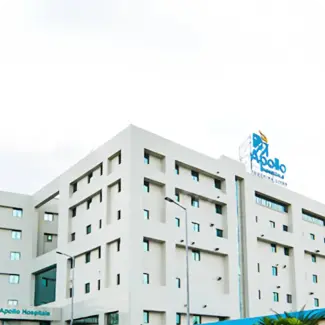
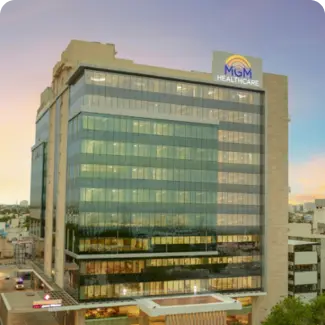
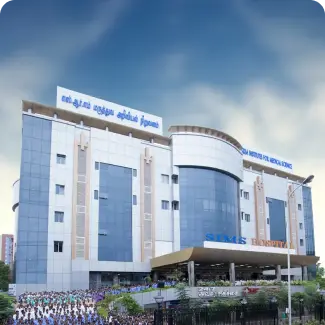
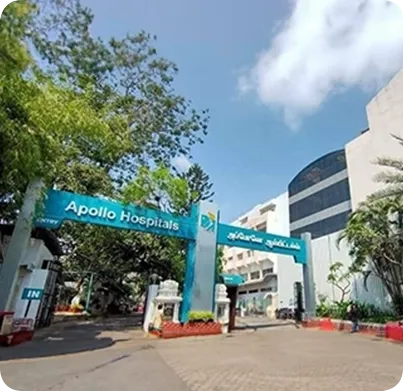
The best hospitals are partnered with Karetrip
Access world-class facilities from top hospitals





Consult with the most experienced doctors
Experience premium care from leading specialists




Cost estimation
Learn about the expenses involved in the procedure and what factors affect them.

Estimating the cost of surgery involves several factors, including the type of procedure, hospital fees, surgeon's charges, and additional expenses such as anesthesia and post-operative care. Costs can vary widely based on location and the complexity of the surgery. It's essential to consult with healthcare providers, discuss insurance coverage, and inquire about potential out-of-pocket expenses to ensure a comprehensive understanding of the financial aspects associated with the surgical procedure.
Get Cost EstimationThe average cost of Speech Therapy in India is around ₹ 600 to ₹ 2500.

₹ 2500
High Cost
₹ 1000
Average Cost
₹ 600
Low Cost
The LIST of AVERAGE COST of the Speech Therapy across TOP 6 cities in India in Indian Rupee (INR) is as follows :
City
Lowest Cost
Average Cost
Highest Cost
Delhi
₹ 800
₹ 1400
₹ 2000
Mumbai
₹ 1000
₹ 1750
₹ 2500
Bangalore
₹ 800
₹ 1300
₹ 1800
Chennai
₹ 700
₹ 1100
₹ 1500
Kolkata
₹ 600
₹ 900
₹ 1200
Hyderabad
₹ 700
₹ 1150
₹ 1600
Commonly Asked Questions
What is speech therapy?
Speech therapy is a specialized treatment aimed at improving communication skills, including speech, language, voice, and fluency.
Who can benefit from speech therapy?
Anyone experiencing difficulties with speech production, language comprehension or expression, voice quality, or swallowing function may benefit from speech therapy.
How long does speech therapy take?
The duration of speech therapy varies depending on individual needs, goals, and the severity of the communication disorder. Therapy may range from a few weeks to several months or longer.
How often are speech therapy sessions scheduled?
Speech therapy sessions are typically scheduled once or twice a week, but the frequency may vary based on the individual's needs and availability.
Is speech therapy covered by insurance?
Many health insurance plans cover speech therapy services, but coverage may vary depending on the specific plan and individual circumstances. It's important to check with your insurance provider for details about coverage and any potential limitations.
What can I expect during a speech therapy session?
During a speech therapy session, you can expect to engage in various activities and exercises tailored to your specific communication goals, guided by a licensed speech-language pathologist.



"I had a successful surgery at Fortis Escorts Hospital, and it was all thanks to Karetrip's help in finding the right hospital for me. The entire process was smooth and stress-free, with Karetrip handling all the arrangements and answering any questions I had. The medical team at the hospital was outstanding, and the facilities were top-notch. I highly recommend Karetrip to anyone looking for a tension-free healthcare experience."
Read MoreFatima
Chattogram

"Thanks to Karetrip, I got connected with MAX Hospital in New Delhi. The team guided me through every step - from finding the right doctor to handling travel and visas. They made a daunting process feel like a breeze. The care I received at MAX Hospital was outstanding, and I can't thank Karetrip enough for making it possible. They truly put patients first and go the extra mile to ensure a smooth healthcare journey. I'm grateful beyond words!"
Read MoreHasan
Dhaka

"At first, I was unsure about having a medical procedure done in a foreign country. However, Karetrip's team at Indraprastha Apollo Hospital made me feel much better. The hospital was very clean, modern, and had everything they needed to help me. The staff were very kind and did everything they could to make me feel comfortable. I'm really happy with how my treatment turned out, and I appreciate Karetrip for making it easy and stress-free."
Read MoreImran
Sylhet
 Google Reviews4.9/5


I had a successful surgery at Fortis Escorts Hospital, and it was all thanks to Karetrip's help in finding the right hospital for me. The entire process was smooth and stress-free, with Karetrip handling all the arrangements and answering any questions I had. The medical team at the hospital was outstanding, and the facilities were top-notch. I highly recommend Karetrip to anyone looking for a tension-free healthcare experience.
Fatima
Chattogram
Google Reviews4.9/5