Fertility and IVFTravel to India's Best Hospitals for Fertility and IVF
 Easy Medical Visa Approvals
Travel Booking Assistance
Comprehensive Treatment Plans
Multi-Language Support
A Fertility and IVF department is a specialized unit within a healthcare facility, such as a hospital or clinic, dedicated to diagnosing and treating fertility issues and providing assisted reproductive technologies (ART) like in vitro fertilization (IVF). An expert specialized in fertility and IVF is typically called a Reproductive Endocrinologist. This specialist is a medical doctor with advanced training in reproductive medicine and endocrinology. This department focuses on helping individuals and couples achieve pregnancy when natural conception is challenging or not possible. Contact us for expert advice and consultation with leading Reproductive Endocrinologists in India.

Karetrip is now NABH-accredited!

Common Fertility and IVF treatments
Get treated by leading doctors

Your Medical Assistant
Get instant help planning your treatment journey
Your journey to good health begins here

Accredited Hospitals
Nationally accredited hospitals for high-quality care

Multi-language Support
Convey your needs in the language you're most comfortable in

Travel Booking Assistance
Seamless booking assistance for your healthcare journey

Personalised Treatment Plans
A treatment journey tailored to all your preferences and needs

Unparalleled Hospitality
Experience exceptional hospitality during your stay

Easy Medical Visa Approvals
Dedicated assistance for medical visa requirements
Karetrip is now NABH-accredited!

This assures you of unparalleled quality and a seamlessly managed medical travel experience.
Partnered with India’s Biggest Hospitals





Know more about Fertility and IVF
A Fertility and IVF department is a specialized unit within a healthcare facility, such as a hospital or clinic, dedicated to diagnosing and treating fertility issues and providing assisted reproductive technologies (ART) like in vitro fertilization (IVF). An expert specialized in fertility and IVF is typically called a Reproductive Endocrinologist. This specialist is a medical doctor with advanced training in reproductive medicine and endocrinology. This department focuses on helping individuals and couples achieve pregnancy when natural conception is challenging or not possible.A Fertility and IVF department aims to offer comprehensive care tailored to each patient's unique needs, helping them navigate the complex processes involved in achieving pregnancy.
KNOW MORE ABOUT FERTILITY AND IVF
A Fertility and IVF department is a specialized unit within a healthcare facility, such as a hospital or clinic, dedicated to diagnosing and treating fertility issues and providing assisted reproductive technologies (ART) like in vitro fertilization (IVF). An expert specialized in fertility and IVF is typically called a Reproductive Endocrinologist. This specialist is a medical doctor with advanced training in reproductive medicine and endocrinology. This department focuses on helping individuals and couples achieve pregnancy when natural conception is challenging or not possible.
A Fertility and IVF department aims to offer comprehensive care tailored to each patient's unique needs, helping them navigate the complex processes involved in achieving pregnancy.
KEY COMPONENTS OF A FERTILITY AND IVF DEPARTMENT:
1. fertility evaluation and diagnosis:
-
Comprehensive assessments to determine the cause of infertility.
-
Tests for hormonal levels, ovulation, sperm quality, and reproductive anatomy.
2. fertility treatments:
-
Medications: regulate ovulation or address hormonal imbalances.
-
Intrauterine Insemination (IUI): A procedure where sperm is placed directly into the uterus to improve the chances of fertilization.
3. in vitro fertilization (ivf):
-
Ovarian Stimulation: Administering hormones to stimulate egg production.
-
Egg Retrieval: Surgical procedure to collect eggs from the ovaries.
-
Fertilization: Combining eggs and sperm in a lab to create embryos.
-
Embryo Transfer: Placing one or more embryos into the uterus.
4.additional art procedures:
-
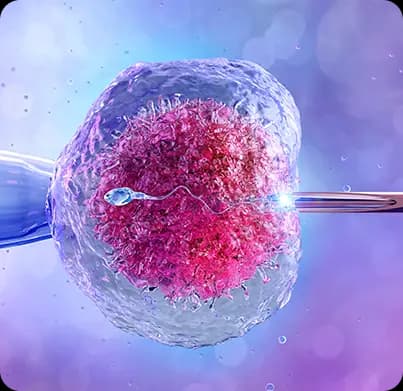
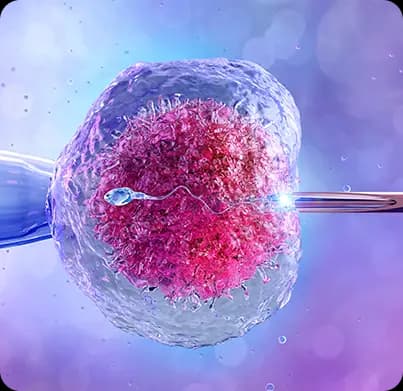
Intracytoplasmic Sperm Injection (ICSI): Injecting a single sperm directly into an egg, often used in cases of male infertility.
-
Preimplantation Genetic Testing (PGT): Screening embryos for genetic conditions before implantation.
-
Egg/Sperm Donor Programs: Using donated eggs or sperm when needed.
5.Support Services:
-
Counseling and Emotional Support: Offering psychological support and guidance through the fertility journey.
-
Nutritional and Lifestyle Counseling: Advising on diet, exercise, and lifestyle factors that may impact fertility.
6. follow-up and monitoring:
Regular monitoring of hormone levels, ultrasound exams, and assessments to track progress and adjust treatment as needed.
ROLES IN THE FERTILITY AND IVF DEPARTMENT
-
Reproductive Endocrinologists: Specialists in hormone-related fertility issues.
-
Embryologists: Experts in handling and developing embryos in the lab.
-
Andrologists: Specialists in male fertility.
Nurses and Support Staff: Providing care, education, and support to patients throughout their treatment.
KEY RESPONSIBILITIES OF A REPRODUCTIVE ENDOCRINOLOGIST
-
Diagnosis: Identifying the underlying causes of infertility in both men and women.
-
Treatment Planning: Developing and managing treatment plans, including medications, hormonal therapies, and assisted reproductive technologies.
-
IVF Management: Overseeing the IVF process, including ovarian stimulation, egg retrieval, fertilization, and embryo transfer.
-
Counseling: Providing guidance and support to patients through their fertility journey, including discussing treatment options, risks, and success rates.
-
Coordination: Collaborating with other specialists, such as embryologists, andrologists, and mental health professionals, to provide comprehensive care.
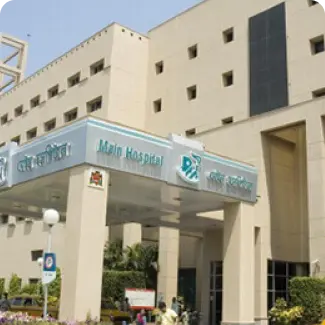
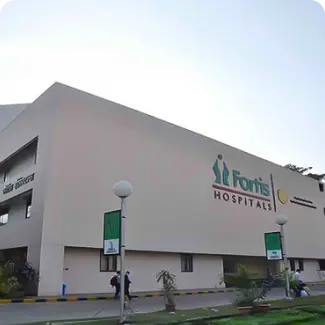
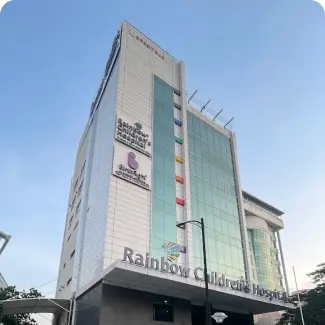
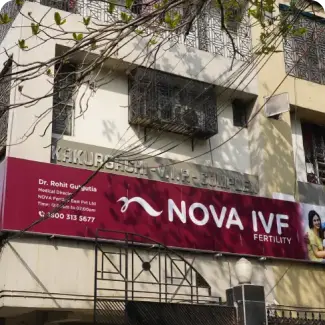
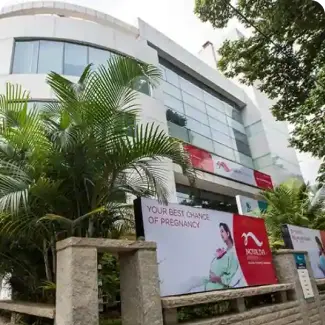
World-class facilities for advanced Fertility and IVF treatments
The best hospitals are partnered with Karetrip
Access world-class facilities from top hospitals





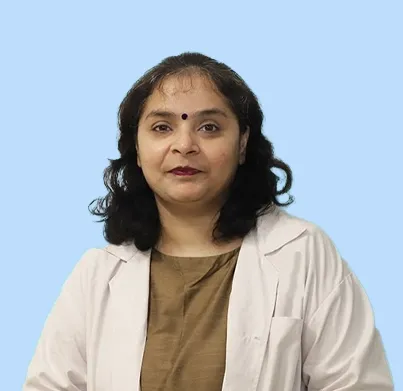
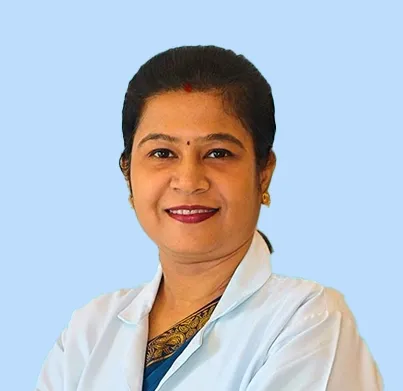
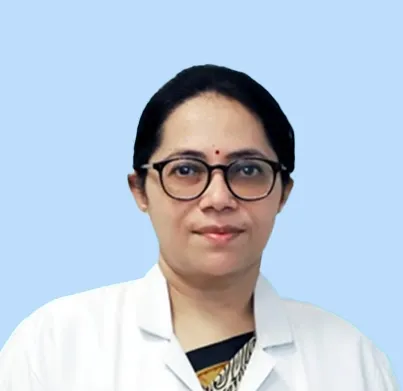
Consult with the most experienced doctors
Experience premium care from leading specialists



Commonly Asked Questions
What is infertility?
Inability to conceive after one year of unprotected and regular intercourse and inability to carry a pregnancy are considered as infertility.
What lifestyle changes can contribute in overcoming infertility?
Maintaining a healthy weight, balanced diet, avoiding tobacco and excessive alcohol, being stress-free, exercising regularly and avoiding toxins & chemicals that affect infertility are essential to overcome infertility.
When should I see a specialist for infertility?
Those under 35 years of age with unsuccessful pregnancy after one year of regular intercourse and those above 35 years of age with pregnancy issues need to consult a doctor to identify issues precisely and recover from that.
Is infertility a common health issue?
Yes. Relatively it is common, impacting 10-15% of couples globally. The affecting factors are equally attributed to male and female factors.
What is IVF?
In Vitro Fertilization is a process where an egg is combined with sperm outside the body and then the resulting embryo is implanted into the uterus.
Who is a candidate for IVF?
Couples who are unable to achieve pregnancy through traditional methods due to various medical conditions are candidates for IVF.
What is the success rate of infertility treatments?
Success rate of infertility treatments vary depending on the age of couples, the cause of infertility, treatment type and other factors.
Can infertility be prevented?
Not all kinds of infertility can be prevented. Still maintaining a healthy lifestyle, preventing sexually transmitted infections, and managing chronic health conditions can reduce the risk.
What can I expect during a fertility consultation?
A thorough medical history review, physical examination, initial tests can be expected during a fertility consultation. The potential cause and possible treatment options will be shared by the doctor after these.
What are the common signs of infertility?
Irregular or absent periods in women, changes in sexual function in men. Some chronic illnesses, consistent pelvic pain, and previous reproductive health issues can also be the common signs.
Are there any risks associated with fertility treatments?
Multiple pregnancies, complications in egg retrieval and ovarian hyperstimulation syndrome (OHSS) are the risks associated with treatments. However, your physician will take steps to reduce these possibilities.



"I had a successful surgery at Fortis Escorts Hospital, and it was all thanks to Karetrip's help in finding the right hospital for me. The entire process was smooth and stress-free, with Karetrip handling all the arrangements and answering any questions I had. The medical team at the hospital was outstanding, and the facilities were top-notch. I highly recommend Karetrip to anyone looking for a tension-free healthcare experience."
Read MoreFatima
Chattogram

"Thanks to Karetrip, I got connected with MAX Hospital in New Delhi. The team guided me through every step - from finding the right doctor to handling travel and visas. They made a daunting process feel like a breeze. The care I received at MAX Hospital was outstanding, and I can't thank Karetrip enough for making it possible. They truly put patients first and go the extra mile to ensure a smooth healthcare journey. I'm grateful beyond words!"
Read MoreHasan
Dhaka

"At first, I was unsure about having a medical procedure done in a foreign country. However, Karetrip's team at Indraprastha Apollo Hospital made me feel much better. The hospital was very clean, modern, and had everything they needed to help me. The staff were very kind and did everything they could to make me feel comfortable. I'm really happy with how my treatment turned out, and I appreciate Karetrip for making it easy and stress-free."
Read MoreImran
Sylhet
 Google Reviews4.9/5


I had a successful surgery at Fortis Escorts Hospital, and it was all thanks to Karetrip's help in finding the right hospital for me. The entire process was smooth and stress-free, with Karetrip handling all the arrangements and answering any questions I had. The medical team at the hospital was outstanding, and the facilities were top-notch. I highly recommend Karetrip to anyone looking for a tension-free healthcare experience.
Fatima
Chattogram
Google Reviews4.9/5