Gallbladder Removal Surgery
Cholecystectomy is a procedure to remove the gallbladder. Its primary role is to store bile produced by the liver. Gallstones or hardened deposits of digestive fluid tend to form in the gallbladder. Symptoms include severe abdominal pain, nausea, vomiting and jaundice. Surgery remains the only option to remove the discomfort preventing complications.
 Free Pick up and Drop
No Cost EMI
Post Surgery Care
Cholecystectomy is a procedure to remove the gallbladder. Its primary role is to store bile produced by the liver. Gallstones or hardened deposits of digestive fluid tend to form in the gallbladder. Symptoms include severe abdominal pain, nausea, vomiting and jaundice. Surgery remains the only option to remove the discomfort preventing complications.
Symptoms Of Gallbladder Removal Surgery
Symptoms
 Sharp pain in the abdomen
 Nausea and vomiting
 Jaundice
 Bloating and heartburn
Types of conditions
There are 2 main types of Gallbladder Removal Surgery
Open Cholecystectomy
Laparoscopic Cholecystectomy
Open Cholecystectomy
Open gallbladder surgery is a traditional approach where a single large cut is made in the middle of the upper abdomen or under the right rib cage. The surgeon carefully removes the gallbladder after cutting the blood vessels and bile ducts connected to it. This allows bile to flow directly into the small intestine.
RISK FACTORS
- Infection
- Bleeding
- Bile Leakage
- Injury to bile duct
- Injury to intestine, bowel and blood vessels
- Deep vein thrombosis
DIAGNOSIS
- Blood tests: to look for the signs of infection or gallbladder problems
- Imaging tests to show gallbladder: Abdominal Ultrasound, endoscopic ultrasound, computerized tomography (CT) scan or magnetic resonance cholangiopancreatography (MRCP) can be used to create pictures of gallbladder and bile ducts
- A scan that shows movement of bile through the body: A hepatobiliary iminodiacetic acid (HIDA) scan tracks the production and flow of bile from your liver to your small intestine. A HIDA scan involves injecting a radioactive dye into your body, which attaches to bile-producing cells. During the scan, the dye can be seen as it travels with the bile through the bile ducts. This can show any blockages.
PREPARING FOR SURGERY
Eat nothing the night before your surgery: You may drink a sip of water with your medicines, but avoid eating and drinking at least four hours before your surgery.
Stop taking certain medicines and supplements: Tell your health care team about all the medicines and supplements you take. Continue taking most medicines as prescribed. Your team may ask you to stop taking certain medicines and supplements because they may increase your risk of bleeding.
Clothing and personal items: Most people go home the same day of their cholecystectomy. However, complications can occur that require one or more nights in the hospital. Plan ahead in case you need to stay in the hospital by bringing personal items. They can include your toothbrush, comfortable clothing, and books or magazines to pass the time.
Before the procedure: A cholecystectomy is performed using general anesthesia. This means you won't be awake during the procedure. Anesthesia medicines are given through a vein in your arm. Once the medicines take effect, your health care team will place a tube down your throat to help you breathe. Your surgeon then performs the cholecystectomy using either a laparoscopic or open procedure.
RECOVERY
Recovery period is about a week to fully recover. It takes 2 to 3 days in the hospital recovering.
Your journey to good health begins here
Accredited Hospitals
Nationally accredited hospitals for high-quality care

Multi-language Support
Convey your needs in the language you're most comfortable in

Travel Booking Assistance
Seamless booking assistance for your healthcare journey
Personalised Treatment Plans
A treatment journey tailored to all your preferences and needs

Unparalleled Hospitality
Experience exceptional hospitality during your stay

Easy Medical Visa Approvals
Dedicated assistance for medical visa requirements

Your Medical Assistant
Get instant help planning your treatment journey
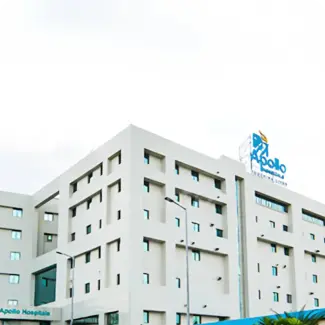
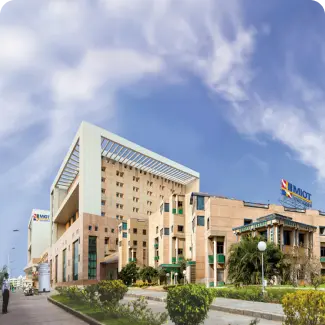
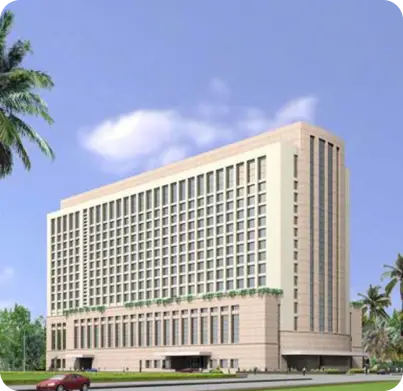
The best hospitals are partnered with Karetrip
Access world-class facilities from top hospitals



Consult with the most experienced doctors
Experience premium care from leading specialists





Cost estimation
Learn about the expenses involved in the procedure and what factors affect them.

The cost of gallbladder removal surgery in India can vary depending on factors such as the hospital, the surgeon's fees, the type of surgery (laparoscopic or open), and any additional medical expenses such as pre-operative tests and post-operative care.
On average, the cost for laparoscopic gallbladder removal surgery in India ranges from ₹50,000 to ₹2,00,000. However, this is a rough estimate and the actual cost may be higher or lower depending on the aforementioned factors and the specific circumstances of the patient. It's always advisable to consult with hospitals or healthcare providers directly to get an accurate cost estimate tailored to your situation.
Get Cost EstimationThe average cost of Gallbladder Removal Surgery in India is around ₹ 90,000 to ₹ 2,60,000.

₹ 2,60,000
High Cost
₹ 1,75,000
Average Cost
₹ 90,000
Low Cost
The LIST of AVERAGE COST of the Gallbladder Removal Surgery across TOP 7 cities in India in Indian Rupee (INR) is as follows :
City
Lowest Cost
Average Cost
Highest Cost
Delhi
₹ 55,000/-
₹ 1,50,000/-
₹ 2,62,000/-
Hyderabad
₹ 50,000/-
₹ 50,000/-
₹ 1,00,000/-
Vishakapatnam
₹ 50,000/-
₹ 90,000/-
₹ 1,00,000/-
Chennai
₹ 55,000/-
₹ 70,000/-
₹ 93,500/-
Kolkata
₹ 1,00,000/-
₹ 1,50,000/-
₹ 1,80,000/-
Bengaluru
₹ 35,000/-
₹ 55,000/-
₹ 75,000/-
Mumbai
₹ 55,000/-
₹ 70,000/-
₹ 93,500/-
Commonly Asked Questions
What is a laparoscopic cholecystectomy?
A laparoscopic cholecystectomy is surgery to remove your gallbladder.
The surgeon makes a few small incisions on the right side of your abdomen (belly). The surgeon uses one incision to insert a laparoscope, a thin tube with a camera on the end. This shows your gallbladder on a screen. The gallbladder then gets removed through another small incision.
A laparoscopic cholecystectomy is less invasive than an open cholecystectomy. This other form of gallbladder removal involves a larger incision.
What is the gallbladder?
The gallbladder is an organ the shape and size of a small pear. It stores a substance called bile made by the liver. It keeps the bile until the body needs it to digest fatty foods.
Who needs to have gallbladder removal?
A laparoscopic cholecystectomy helps people with gallstones that are causing pain and infection.
Gallstones are crystals that form in the gallbladder. They can block the flow of bile out of the gallbladder into your digestive system. This roadblock causes cholecystitis (inflammation of the gallbladder). Gallstones can also move to other parts of the body and cause problems.
Symptoms of gallstones include:
- Feeling bloated
- Fever
- Jaundice (yellow-looking skin)
- Nausea
- Pain in the right side of the abdomen, which may reach the back or the shoulder
Do I have to remove my gallbladder right away?
The short answer is no, however you risk certain complications by waiting when there is a clear indication for surgery. Gallstones do not go away and gallstone attacks typically get worse over time. Acute or chronic inflammation of the gallbladder not only causes problems with the organ itself but may create issues with neighboring organs such as the pancreas and liver. If left untreated, these issues can lead to an emergency.
What can I eat after gallbladder removal?
There are no dietary restrictions after surgery, however because of the anesthesia and narcotic pain medication, you may experience a lack of appetite for a few days.
Will I gain weight after my gallbladder is removed?
There is no solid evidence to suggest that the removal of a gallbladder alone causes weight regain.
When can I go back to work?
Most patients will be able to go back to work within 3 to 5 days after surgery. More strenuous activity should be avoided for a week or two after surgery.



"I had a successful surgery at Fortis Escorts Hospital, and it was all thanks to Karetrip's help in finding the right hospital for me. The entire process was smooth and stress-free, with Karetrip handling all the arrangements and answering any questions I had. The medical team at the hospital was outstanding, and the facilities were top-notch. I highly recommend Karetrip to anyone looking for a tension-free healthcare experience."
Read MoreFatima
Chattogram

"Thanks to Karetrip, I got connected with MAX Hospital in New Delhi. The team guided me through every step - from finding the right doctor to handling travel and visas. They made a daunting process feel like a breeze. The care I received at MAX Hospital was outstanding, and I can't thank Karetrip enough for making it possible. They truly put patients first and go the extra mile to ensure a smooth healthcare journey. I'm grateful beyond words!"
Read MoreHasan
Dhaka

"At first, I was unsure about having a medical procedure done in a foreign country. However, Karetrip's team at Indraprastha Apollo Hospital made me feel much better. The hospital was very clean, modern, and had everything they needed to help me. The staff were very kind and did everything they could to make me feel comfortable. I'm really happy with how my treatment turned out, and I appreciate Karetrip for making it easy and stress-free."
Read MoreImran
Sylhet
 Google Reviews4.9/5



I had a successful surgery at Fortis Escorts Hospital, and it was all thanks to Karetrip's help in finding the right hospital for me. The entire process was smooth and stress-free, with Karetrip handling all the arrangements and answering any questions I had. The medical team at the hospital was outstanding, and the facilities were top-notch. I highly recommend Karetrip to anyone looking for a tension-free healthcare experience.
Fatima
Chattogram
Google Reviews4.9/5