Liver Resection Surgery
Liver resection, also known as hepatectomy, is a surgical procedure performed to remove a portion of the liver that aims at removing a portion of the liver affected by tumors, cysts, or other conditions. It's commonly performed to treat liver cancer or to remove benign growths that are affecting liver function. This procedure requires precision and expertise due to the liver's crucial role in metabolism and detoxification.
 Free Pick up and Drop
No Cost EMI
Post Surgery Care
Liver resection, also known as hepatectomy, is a surgical procedure performed to remove a portion of the liver that aims at removing a portion of the liver affected by tumors, cysts, or other conditions. It's commonly performed to treat liver cancer or to remove benign growths that are affecting liver function. This procedure requires precision and expertise due to the liver's crucial role in metabolism and detoxification.
Symptoms Of Liver Resection Surgery
Symptoms
 Jaundice (yellowing of eyes & skin)
 Severe fatigue and weakness
 Abdominal swelling (ascites)
 Easy bruising, bleeding tendencies
Types of conditions
There are 6 main types of Liver Resection Surgery
Wedge Resection
Segmentectomy
Hemihepatectomy
Trisegmentectomy
Living Donor Liver Resection
Radiofrequency Ablation (RFA)
Wedge Resection
In this procedure, a small, wedge-shaped portion of the liver containing the tumor is removed. This type of resection is typically used for small tumors located near the surface of the liver.
Symptoms
- Abdominal Pain: Relief from discomfort caused by liver tumors pressing against surrounding tissues.
- Jaundice: Reduction in yellowing of the skin and eyes due to improved liver function.
- Ascites: Decrease in abdominal fluid accumulation as liver function improves post-resection.
- Change in Appetite: In cases of liver disease, a change in appetite is a common symptom characterized by a loss of appetite (anorexia) or an increase in appetite. This change can be attributed to various factors such as liver inflammation, impaired digestion, hormonal imbalances, or the accumulation of toxins in the body.
Diagnosis
-
Imaging Studies: CT scans, MRI, and ultrasound to assess the size, location, and characteristics of liver tumors.
-
Liver Function Tests: Evaluation of liver function and reserves to ensure adequate remaining liver tissue post-resection.
-
Patient Health: Overall health status and fitness for surgery, including assessment of coexisting medical conditions.
Treatment for Liver Resection
There are several approaches to liver resection, and the specific technique chosen depends on various factors, including:
Extent of liver involvement:
-
Segmentectomy: This involves removing one or more segments of the liver, each containing its own blood supply and bile duct.
-
Lobectomy: This removes an entire lobe of the liver, either the right or left lobe. Wedge resection: This removes a smaller, wedge-shaped portion of the liver containing the tumor or damaged tissue.
Surgical Technique:
-
Open surgery: This traditional approach involves a larger incision in the abdomen to access the liver. Laparoscopic surgery: This minimally invasive technique uses smaller incisions and specialized instruments to perform the surgery. Laparoscopic surgery is preferred whenever possible due to faster recovery and less pain.
-
Robotic-assisted surgery: This advanced technique utilizes robotic arms guided by the surgeon to perform the resection with even greater precision and potentially faster operating time.
Additional considerations:
-
Two-stage hepatectomy: In some cases, if the liver is not healthy enough for immediate resection of the entire necessary portion, a two-stage procedure might be employed. This involves blocking the blood supply to the portion to be removed in a first stage, allowing the remaining liver to regenerate and become stronger for the subsequent resection stage.
-
Liver transplantation: In advanced cases, where the remaining liver function is insufficient after resection, liver transplantation might be considered as an alternative treatment option.
Causes and Risk Factors
- Liver Tumors: Primary tumors or metastatic cancers affecting the liver.
- Liver Cirrhosis: Scarring of the liver tissue due to chronic conditions like hepatitis or alcoholism.
- Hepatic Hemangiomas: Non-cancerous tumors of blood vessels in the liver.
- Cysts and Abscesses: Fluid-filled sacs or bacterial infections affecting the liver.
- Chronic Hepatitis: Long-term inflammation of the liver.
- Alcohol Abuse: Excessive alcohol consumption leading to liver damage.
- Family History: Genetic factors contributing to liver conditions.
- Obesity: Increased body fat contributing to fatty liver disease.
Preparing for Surgery
Medical Evaluation:
- Imaging Studies: CT scans, MRI, or ultrasound to assess the liver and tumor.
- Blood Tests: Assessing liver function and identifying any abnormalities.
- Cardiovascular Assessment: Evaluating heart health for surgical fitness.
Preoperative Instructions:
- Fasting: Typically required before surgery to prevent complications.
- Medication Adjustment: Adjusting medications that may interfere with the surgery.
- Hydration: Maintaining proper fluid balance in preparation for surgery.
Treatment Details
Surgical Approach:
- Partial Hepatectomy: Removal of a portion of the liver containing the tumor.
- Segmental Resection: Removal of a specific segment affected by tumors or lesions.
- Wedge Resection: Removal of a wedge-shaped portion containing the tumor. Anesthesia
- General Anesthesia: Patient is unconscious throughout the procedure.
- Intravenous Sedation: Administered to keep the patient relaxed and pain-free.
Technology Involved:
- Advanced Imaging: High-resolution CT and MRI scans for precise preoperative planning.
- Intraoperative Ultrasound: Real-time imaging during surgery to identify tumor margins and preserve healthy liver tissue.
- Hepatobiliary Surgical Expertise: Highly trained hepatobiliary surgeons and multidisciplinary teams for optimal outcomes.
Recovery
Postoperative Care:
- Intensive Monitoring: Initial observation in a recovery unit for critical care.
- Pain Management: Medications to control postoperative pain.
- Drainage Tubes: Placed to remove excess fluids from the surgical site.
Return to Normal Activities
- Varies by Procedure: Minimally invasive approaches often allow quicker recovery.
- Gradual Resumption: Resuming regular activities under the guidance of healthcare professionals.
- Follow-up Appointments: Scheduled to monitor liver function and recovery progress.
Your journey to good health begins here

Accredited Hospitals
Nationally accredited hospitals for high-quality care

Multi-language Support
Convey your needs in the language you're most comfortable in

Travel Booking Assistance
Seamless booking assistance for your healthcare journey

Personalised Treatment Plans
A treatment journey tailored to all your preferences and needs

Unparalleled Hospitality
Experience exceptional hospitality during your stay

Easy Medical Visa Approvals
Dedicated assistance for medical visa requirements

Your Medical Assistant
Get instant help planning your treatment journey
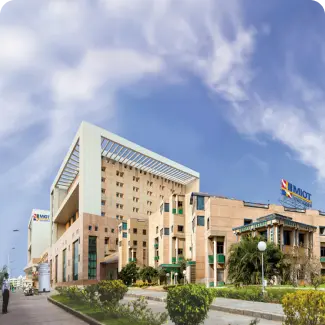
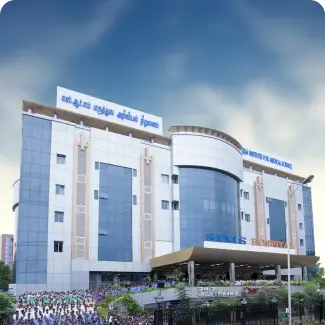
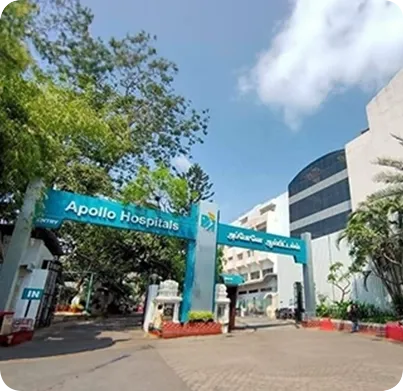
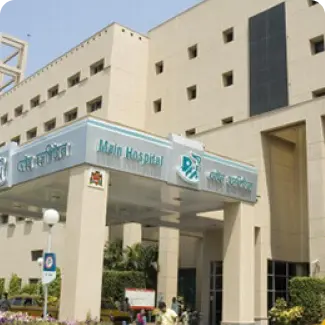
The best hospitals are partnered with Karetrip
Access world-class facilities from top hospitals






Consult with the most experienced doctors
Experience premium care from leading specialists






Cost estimation
Learn about the expenses involved in the procedure and what factors affect them.

The cost of liver resection in India can vary widely depending on the hospital, surgeon, location, and the specific circumstances of the patient. On average, the cost of liver resection in India can range from ₹3,00,000 to ₹8,00,000 or more. This estimate typically includes the hospital stay, surgeon's fee, anesthesia charges, pre-operative tests, medications, and post-operative care.
- Surgical Complexity: The extent of liver resection required based on tumor size, location, and involvement.
- Hospital Stay: Duration of hospitalization for preoperative evaluation, surgery, and postoperative recovery.
- Surgeon's Fees: Professional fees for the surgical team, including the hepatobiliary surgeon, anesthesiologist, and support staff.
The average cost of Liver Resection Surgery in India is around ₹3,00,000 to ₹8,00,000.

₹8,00,000
High Cost
₹5,00,000
Average Cost
₹3,00,000
Low Cost
The LIST of AVERAGE COST of the Liver Resection Surgery across TOP 9 cities in India in Indian Rupee (INR) is as follows :
City
Lowest Cost
Average Cost
Highest Cost
Delhi
₹3,00,000
₹5,00,000
₹6,00,000
Mumbai
₹3,50,000
₹4,50,000
₹7,00,000
Bangalore
₹3,20,000
₹4,50,000
₹6,50,000
Chennai
₹3,00,000
₹4,00,000
₹5,50,000
Kolkata
₹2,80,000
₹4,80,000
₹5,00,000
Hyderabad
₹3,20,000
₹5,00,000
₹6,00,000
Ahmedabad
₹3,00,000
₹4,00,000
₹5,50,000
Pune
₹3,20,000
₹4,20,000
₹6,50,000
Jaipur
₹2,80,000
₹4,50,000
₹5,00,000
Commonly Asked Questions
How long does it take to recover from liver resection surgery?
Recovery time varies but typically involves several weeks to months for full recovery, depending on the extent of liver resection and individual factors.
Is liver resection a major surgery?
Yes, liver resection is considered a major abdominal surgery and requires careful preoperative evaluation and postoperative care.
Are there any dietary restrictions after liver resection?
Dietary adjustments may be recommended postoperatively to support liver function and aid in recovery, typically including a low-fat, high-protein diet.
What are the long-term outcomes after liver resection?
Long-term outcomes depend on various factors, including the underlying liver condition, tumor characteristics, and adequacy of surgical resection. Regular follow-up care and surveillance are essential for monitoring recurrence and ensuring optimal outcomes.



"I had a successful surgery at Fortis Escorts Hospital, and it was all thanks to Karetrip's help in finding the right hospital for me. The entire process was smooth and stress-free, with Karetrip handling all the arrangements and answering any questions I had. The medical team at the hospital was outstanding, and the facilities were top-notch. I highly recommend Karetrip to anyone looking for a tension-free healthcare experience."
Read MoreFatima
Chattogram

"Thanks to Karetrip, I got connected with MAX Hospital in New Delhi. The team guided me through every step - from finding the right doctor to handling travel and visas. They made a daunting process feel like a breeze. The care I received at MAX Hospital was outstanding, and I can't thank Karetrip enough for making it possible. They truly put patients first and go the extra mile to ensure a smooth healthcare journey. I'm grateful beyond words!"
Read MoreHasan
Dhaka

"At first, I was unsure about having a medical procedure done in a foreign country. However, Karetrip's team at Indraprastha Apollo Hospital made me feel much better. The hospital was very clean, modern, and had everything they needed to help me. The staff were very kind and did everything they could to make me feel comfortable. I'm really happy with how my treatment turned out, and I appreciate Karetrip for making it easy and stress-free."
Read MoreImran
Sylhet
 Google Reviews4.9/5



I had a successful surgery at Fortis Escorts Hospital, and it was all thanks to Karetrip's help in finding the right hospital for me. The entire process was smooth and stress-free, with Karetrip handling all the arrangements and answering any questions I had. The medical team at the hospital was outstanding, and the facilities were top-notch. I highly recommend Karetrip to anyone looking for a tension-free healthcare experience.
Fatima
Chattogram
Google Reviews4.9/5