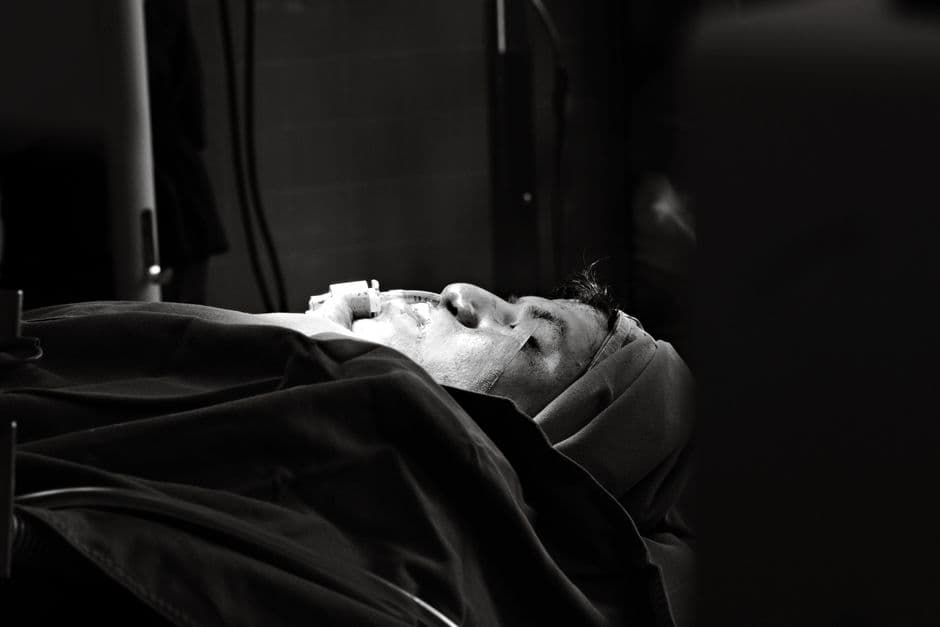

Cardiac surgery can be lifesaving, but like any major operation, it carries risks. Understanding potential complications and what normal recovery looks like helps you prepare mentally and physically. This guide walks you through common post-surgery challenges, warning signs to watch for, and practical steps to support your healing without fear or misinformation.
Why Cardiac Surgery Matters and Why Complications Occur
Cardiac surgery—whether bypass, valve repair, or transplant—involves opening the chest and working directly on or around the heart. This is necessary when medicines alone cannot fix life-threatening conditions like blocked arteries, damaged valves, or irregular heartbeats. However, any surgery carries risk because the body experiences trauma, even when it is therapeutic. Complications can arise from infection, bleeding, irregular heart rhythm, or the heart's response to the stress of surgery and the heart-lung machine used during many procedures. Most people recover well, especially when they follow medical advice and recognize early warning signs. Understanding these risks does not mean surgery is unsafe—it means you can prepare, ask questions, and take an active role in your recovery. Hospitals and surgical teams have refined cardiac procedures over decades, and survival rates have improved significantly. The goal is not to scare you but to empower you with realistic knowledge so you can make informed decisions and recover confidently.
Common Complications After Heart Surgery
Post-operative complications vary in frequency and severity. Some are minor and resolve on their own, while others require prompt medical attention. The most common include infection at the incision site, which may present as redness, warmth, or discharge; irregular heartbeat (arrhythmia), where the heart skips or races unexpectedly; and bleeding or fluid buildup around the heart. The Mayo Clinic Cardiac Surgery Guide notes that fever, shortness of breath, or chest pain warrant immediate evaluation. Stroke, blood clots, and kidney issues can occur but are less frequent, especially in younger or healthier patients. Psychological complications like depression or anxiety are also real and often overlooked; heart surgery is emotionally taxing, and adjustment takes time. Pain and weakness in the chest and arms are expected initially but should gradually improve. Understanding that some discomfort and fatigue are normal—rather than signs of failure—helps patients tolerate recovery without unnecessary panic. Your surgical team will explain your individual risk factors before the procedure.
Recognizing Warning Signs During Recovery
Knowing the difference between expected recovery discomfort and a genuine problem is crucial. Mild chest discomfort, fatigue, and emotional ups and downs are normal in the first weeks. However, severe chest pain, shortness of breath at rest, sudden swelling of legs, confusion, or signs of infection demand immediate medical attention. The American Heart Association Patient Education recommends keeping a symptom log to track your recovery and identify patterns. Call your surgeon or go to the emergency room if you experience chest pain that does not ease with rest or prescribed medication, persistent fever, fainting, or coughing up blood. Some people also experience post-surgery syndrome—a combination of fever, chest pain, and inflammation that can occur weeks after surgery—which is usually manageable but requires diagnosis. Never assume a symptom will pass on its own; your medical team expects and wants to hear about concerns. Early intervention often prevents minor issues from becoming serious complications.
The Recovery Timeline What to Expect Week by Week
Recovery from cardiac surgery is not linear, but a general timeline helps set realistic expectations. In the first week, you are in the hospital under close monitoring, managing pain, and beginning gentle movement. Weeks 2–4 at home involve gradually increasing activity—short walks around the house, light self-care—while avoiding strenuous exercise or heavy lifting. Fatigue is profound during this phase and often surprises patients; rest is not laziness but healing. Weeks 4–8 bring improved energy, and most people resume light activities like shopping or social outings. Return to work depends on your job; desk work may resume around 4–6 weeks, while physically demanding roles take 3–4 months or longer. Full cardiac rehabilitation, supervised exercise and education, typically spans 8–12 weeks and significantly improves outcomes and confidence. Emotional recovery often lags physical recovery; adjustment to a new health reality takes months and occasionally benefit from counseling. Most patients feel substantially improved by 3 months but may continue gradual improvement for 6–12 months. Individual variation is huge; discuss your specific timeline with your surgical team based on your age, fitness, and the type of surgery.


Managing Pain and Medication After Surgery
Pain after cardiac surgery is expected and manageable with a combination of approaches. Your surgical team prescribes pain relievers—ranging from simple paracetamol or ibuprofen to stronger opioids in the immediate post-op period. Take medications as prescribed, not on an 'as needed' basis alone; staying ahead of pain makes recovery smoother. Non-drug strategies like ice packs on the incision, gentle stretching, and controlled breathing also reduce pain. Expect the incision itself to feel tender, tight, and itchy as it heals; these sensations fade over weeks. Some people develop nerve pain (neuropathy) around the incision or chest wall, which can last months but usually resolves. Do not stop prescribed cardiac medications (beta-blockers, ACE inhibitors, antiplatelet drugs) without your doctor's instruction, as they protect your heart and reduce future events. A medication list pinned on your fridge or kept in your phone helps you stay organized and ensures all providers know what you are taking. Report any side effects or concerns about medications promptly; alternatives often exist. Pain that worsens over time or changes character always warrants investigation.
Lifestyle Changes That Support Healing
Recovery is not just physical—it requires lifestyle adjustments that support long-term heart health and prevent future surgery. Cardiac rehabilitation programs combine supervised exercise, nutrition counseling, and stress management, and research shows they significantly improve outcomes. Gradual exercise, as cleared by your doctor, strengthens your heart and rebuilds confidence. A heart-healthy diet low in salt, saturated fat, and added sugars supports healing and reduces risk. Quitting smoking (if applicable) is one of the single most important changes, as smoking damages vessels and increases clot risk. Managing stress through relaxation, meditation, or counseling helps regulate blood pressure and hormone levels. Adequate sleep—7–9 hours nightly—is essential for recovery; sleep apnea, common in cardiac patients, should be screened for and treated. Limit alcohol and avoid stimulants like excessive caffeine. Attend all follow-up appointments and blood tests, as they catch problems early. Social support from family, friends, or support groups makes a measurable difference in emotional recovery and adherence. The NHS Cardiac Rehabilitation Guide emphasizes that lifestyle changes begun now reduce the risk of future heart events and extend quality of life.
When to Contact Your Doctor Immediately
Knowing when to seek urgent help prevents minor issues from becoming emergencies. Contact your surgeon or go to the emergency room immediately if you experience chest pain unrelieved by rest or medication, shortness of breath at rest or with minimal activity, fainting or severe dizziness, rapid or extremely irregular heartbeat, signs of stroke (facial numbness, arm weakness, speech difficulty), heavy bleeding or sudden increase in fluid from the incision, fever above 38.5°C, severe leg swelling or redness (possible blood clot), or signs of infection like pus or foul odor from the wound. In many countries, including Bangladesh and Oman, cardiac care is advancing, and hospitals equipped for complex cardiac surgery have 24-hour emergency teams ready to manage complications. Do not delay seeking help out of embarrassment or concern about bothering your doctor; they expect follow-up calls and prefer early intervention. If you live far from your surgical hospital, build a relationship with a local cardiologist who can coordinate with your surgical team. Keep emergency contact numbers, your medication list, and a summary of your surgery accessible at all times. Trust your instincts; if something feels seriously wrong, get checked.
Key Takeaways and Moving Forward
Cardiac surgery is a powerful tool for extending and improving life, and most people recover well with proper care and realistic expectations. Complications are possible but manageable when recognized early. Your recovery depends on pre-surgery fitness, the complexity of the procedure, age, and your commitment to lifestyle changes and follow-up care. The first 3 months are critical for establishing healthy habits and establishing the psychological shift from 'cardiac patient' to 'person with well-managed heart disease.' Many people report that cardiac surgery, though difficult, was a turning point that motivated them to prioritize health. Support from family, friends, and healthcare providers makes an enormous difference in both outcomes and emotional well-being. If you are considering cardiac surgery or are in early recovery, work closely with your cardiology and surgical team, ask questions without hesitation, and remember that recovery is a marathon, not a sprint. With evidence-based care, honest communication, and patience with yourself, most people enjoy many healthy years after cardiac surgery.
Cardiac surgery and recovery are complex journeys best guided by experienced cardiologists and surgeons. If you are in Bangladesh or Oman and need specialized cardiac care, guidance through complications, or rehabilitation support, our cardiology team is ready to help. Schedule a consultation with our cardiac specialists to discuss your individual risk factors, recovery plan, and long-term heart health.
Cardiac surgery and recovery are complex journeys best guided by experienced cardiologists and surgeons. If you are in Bangladesh or Oman and need specialized cardiac care, guidance through complications, or rehabilitation support, our cardiology team is ready to help. Schedule a consultation with our cardiac specialists to discuss your individual risk factors, recovery plan, and long-term heart health.
Cardiac surgery and recovery are complex journeys best guided by experienced cardiologists and surgeons. If you are in Bangladesh or Oman and need specialized cardiac care, guidance through complications, or rehabilitation support, our cardiology team is ready to help. Schedule a consultation with our cardiac specialists to discuss your individual risk factors, recovery plan, and long-term heart health.