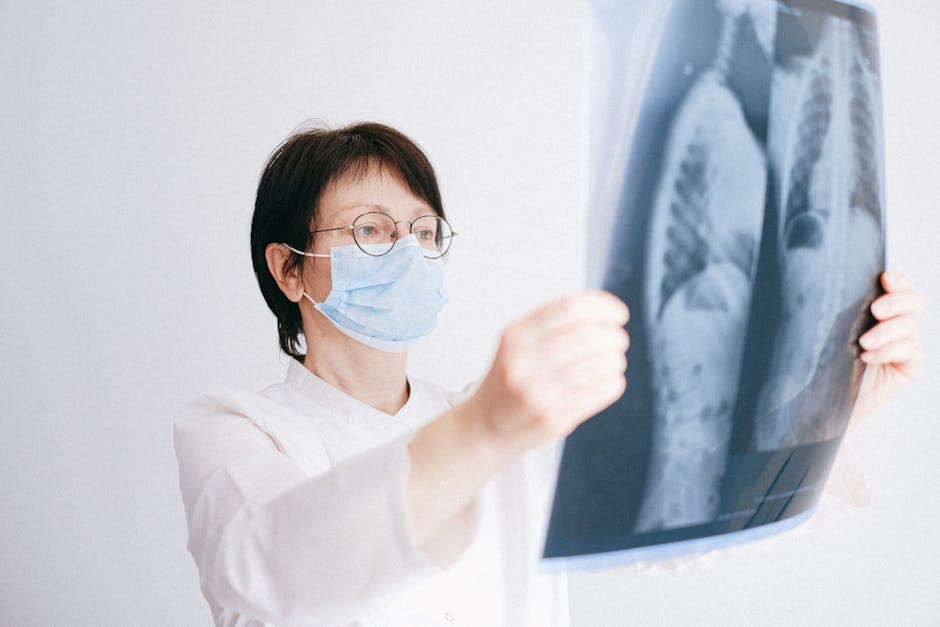

Stage 3 lung cancer means the tumour has grown into nearby lymph nodes or chest structures, but it hasn't spread far beyond the chest. While this diagnosis sounds serious, stage 3 patients often respond well to modern treatment. Your medical team will create a personalised plan combining chemotherapy, radiation, and sometimes surgery to give you the best possible outcome.
Understanding Stage 3 Lung Cancer
Stage 3 lung cancer is divided into two categories: 3A and 3B. Both mean the cancer has spread to nearby lymph nodes and may involve the chest wall, heart lining, or breathing tube, but it has not reached distant organs. This locally advanced stage sits between early-stage disease and advanced metastatic cancer.
The distinction between 3A and 3B helps your doctors choose the right treatment strategy. Many stage 3 patients can be treated with the goal of cure or long-term survival, especially when treatment starts promptly. Your medical team will use imaging studies like CT scans, PET scans, and sometimes bronchoscopy to map the exact location and size of your tumour before planning therapy. Understanding your specific stage helps you have realistic conversations with your oncologist about what to expect.
Main Treatment Approaches
Treatment for stage 3 lung cancer usually combines two or more therapies working together. The most common approach is concurrent chemotherapy and radiation therapy delivered at the same time, followed by additional chemotherapy if tolerated. Some patients may undergo surgery before or after chemotherapy and radiation, depending on whether their tumour can be completely removed. Newer immunotherapy drugs are also being integrated into stage 3 treatment plans to boost your body's immune system against cancer cells.
Your oncologist will review your age, overall health, breathing function, and whether you have other medical conditions to decide which combination works best for you. The American Society of Clinical Oncology recommends personalised treatment planning for all stage 3 patients. No single approach suits everyone, so your care will be tailored to your unique situation.
Chemotherapy and Its Role
Chemotherapy uses strong drugs to kill cancer cells throughout your body. For stage 3 lung cancer, chemotherapy is usually platinum-based, meaning it contains platinum compounds like cisplatin or carboplatin paired with a second agent. These drugs damage cancer cell DNA, preventing growth and spread. Chemotherapy is systemic, meaning it travels through the bloodstream to reach cancer cells anywhere in the chest and body.
When combined with radiation, chemotherapy acts as a radiosensitiser, making cancer cells more vulnerable to radiation beams. You typically receive chemotherapy as an intravenous infusion every 2–3 weeks for 4–6 cycles. Each cycle lasts about a week of treatment followed by recovery time. National Cancer Institute guidelines show that platinum-based chemotherapy plus radiation improves survival rates in stage 3 patients. Common side effects include nausea, fatigue, and low blood counts, but your medical team has many strategies to manage these.
Radiation Therapy in Stage 3
External beam radiation therapy (EBRT) delivers high-energy X-rays precisely to the tumour and nearby lymph nodes over multiple weeks. Modern techniques like intensity-modulated radiation therapy (IMRT) shape the beam to match your tumour's exact outline, sparing healthy lung and heart tissue. You typically receive radiation five days a week for 6–7 weeks, with each session lasting 15–30 minutes.
Radiation kills cancer cells by damaging their DNA, and when paired with chemotherapy, the combination is more powerful than either alone. Your radiation oncologist will create a detailed treatment plan using CT imaging to ensure every angle maximises tumour destruction while minimising dose to surrounding organs. Mayo Clinic Oncology emphasises that modern imaging and planning reduce long-term side effects significantly. During treatment, your skin may become red or irritated, and you might feel fatigued as the weeks progress, but these effects usually fade after therapy ends.


Surgery and Combined Approaches
Surgery is sometimes used in stage 3 lung cancer, but only when the tumour can be completely removed with adequate margins and nearby lymph nodes can be fully resected. Not all stage 3 patients are surgical candidates because the tumour may have invaded vital structures like the heart or major blood vessels. When surgery is possible, it may occur after chemotherapy and radiation (trimodal therapy) or occasionally before, depending on individual factors.
A thoracic surgeon performs a lobectomy (removing one lobe of the lung) or, rarely, a pneumonectomy (removing an entire lung) if needed. Surgery allows the pathologist to examine removed tissue and confirm whether all cancer was eliminated. Recovery from thoracic surgery takes several weeks, with gradual return to normal activities. Combining surgery with chemotherapy and radiation offers the best survival outcomes for selected patients, though the intensity of treatment requires excellent performance status and strong overall health. Your surgical team will be honest about whether you are a suitable candidate before proposing this approach.
Managing Side Effects and Recovery
Side effects from chemotherapy, radiation, or surgery are real but manageable with modern supportive care. Chemotherapy commonly causes nausea, fatigue, hair loss, and low blood counts; anti-nausea medications and growth factor shots help enormously. Radiation may irritate the oesophagus (the food pipe), causing difficulty swallowing, which usually improves with time and dietary changes. Both therapies can cause fatigue that peaks mid-way through treatment and gradually improves after completion.
Your medical team includes oncologists, nurses, dietitians, and social workers all working to minimise suffering. Report side effects promptly—many have effective treatments. Gentle exercise, nutritious eating, and emotional support are important. Some fatigue and cough may persist for months after treatment, but lung function typically stabilises 6–12 months later. Supportive care guidelines emphasise that managing side effects improves treatment completion rates and outcomes. Do not hesitate to ask for help from palliative care specialists, who focus on comfort and quality of life alongside cancer treatment.
Building Your Support Network
Treatment for stage 3 lung cancer is demanding both physically and emotionally. Building a strong support network—family, friends, counsellors, and patient groups—makes an enormous difference in your ability to tolerate treatment and maintain hope. Many hospitals offer cancer support groups where you meet others on similar journeys; hearing their experiences and coping strategies is invaluable. Social workers can connect you with financial assistance, transportation services, and accommodations if you travel for treatment.
Your partner or family member should attend key appointments to understand the plan and help manage side effects at home. Cancer-specific therapists or counsellors help address anxiety, depression, and existential concerns that often arise with a serious diagnosis. Some patients benefit from meditation, yoga, or art therapy to calm the mind and reduce stress. Spiritual or religious communities also provide comfort for many. Do not isolate yourself; asking for help is strength, not weakness. Your hospital likely has a patient navigator or oncology nurse coordinator who can connect you to all available resources.
Next Steps in Your Care Journey
If you or a loved one has been diagnosed with stage 3 lung cancer, the first step is a detailed consultation with an oncology team. Bring all imaging scans, biopsy reports, and medical records to this visit so your doctors have complete information. Be prepared to discuss your goals—are you seeking cure, extended survival, or focusing on quality of life? All are valid, and your team will align treatment recommendations with your wishes.
Treatment typically begins 2–4 weeks after staging is complete. During this time, many patients undergo pre-treatment fitness assessments, lung function tests, and cardiac evaluations to ensure they can tolerate the planned therapy safely. Set realistic expectations: treatment is intense, side effects are possible, but modern advances mean many stage 3 patients achieve excellent long-term outcomes. Stay in close contact with your oncology team, keep all appointments, and communicate openly about any concerns. Your journey is individual, your concerns are valid, and you deserve compassionate, expert care.
If you have been diagnosed with stage 3 lung cancer and are seeking expert, compassionate care, our oncology teams in Bangladesh and Oman are ready to support you. We offer comprehensive multimodal treatment, state-of-the-art imaging, and dedicated supportive services to help you navigate this journey. Contact our oncology centre today to schedule a consultation and begin your personalised treatment plan.
If you have been diagnosed with stage 3 lung cancer and are seeking expert, compassionate care, our oncology teams in Bangladesh and Oman are ready to support you. We offer comprehensive multimodal treatment, state-of-the-art imaging, and dedicated supportive services to help you navigate this journey. Contact our oncology centre today to schedule a consultation and begin your personalised treatment plan.