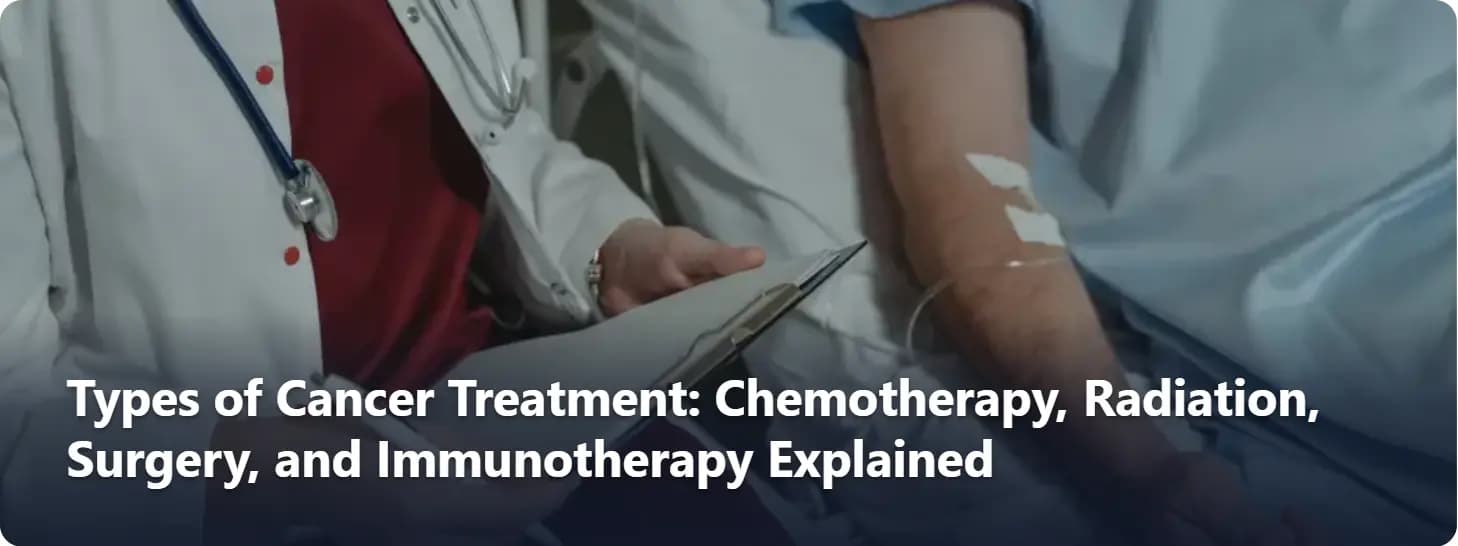

Cancer treatment is not one-size-fits-all. Your oncologist may recommend chemotherapy, radiation therapy, surgery, immunotherapy, or a combination of these approaches based on your cancer type, stage, and overall health. Understanding how each treatment works helps you feel more confident about your care plan and what lies ahead.
What Are the Main Types of Cancer Treatment?
Cancer specialists use four primary treatment modalities, often combined for better outcomes. Chemotherapy uses drugs to kill fast-growing cancer cells throughout your body. Radiation therapy aims high-energy beams at tumours to destroy cancer cells in a specific area. Surgery removes the tumour and surrounding tissue. Immunotherapy harnesses your immune system to recognise and fight cancer cells. Your treatment plan depends on factors like cancer stage, your age, other health conditions, and which organs are affected. Some patients receive only one treatment; others benefit from a sequence or combination. Your oncology team at our hospital will discuss the most suitable approach during your initial consultation.
How Does Chemotherapy Work Against Cancer?
Chemotherapy drugs circulate through your bloodstream to target cancer cells wherever they are in your body, making it a systemic treatment. These powerful medications interfere with cancer cell division and growth, causing them to die. Unlike radiation or surgery, chemotherapy reaches cancer cells that have spread to distant sites. Treatment is typically given in cycles, a period of therapy followed by rest to let your body recover. Cycles usually last 3-4 weeks, and most courses span several months. Common side effects include nausea, hair loss, fatigue, and increased infection risk, though modern supportive medicines have made chemotherapy more tolerable. Your oncology team monitors your blood counts and organ function closely throughout treatment to manage any complications.
Understanding Radiation Therapy for Cancer
Radiation therapy uses high-energy rays or particles to destroy cancer cells in a localised area. Unlike chemotherapy, radiation targets the tumour and nearby tissue, sparing most of your healthy body. Treatment is delivered over several weeks in daily sessions, each lasting 15-30 minutes. The procedure itself is painless, though positioning and immobilisation devices may feel uncomfortable. The National Cancer Institute notes that modern imaging allows doctors to shape radiation beams precisely around the tumour. Common side effects depend on the treatment area, skin irritation, fatigue, and digestive changes if the abdomen is treated. Most side effects fade within weeks or months after treatment ends. Your radiation oncologist will explain your specific plan and expected outcomes at the start.
Surgical Approaches to Cancer Care
Surgery removes the tumour and sometimes nearby lymph nodes and tissue to check for cancer spread. It is often the first-line treatment when cancer is localised and operable. Surgeons may remove the entire tumour (curative surgery) or debulk it (removing as much as possible) to help other treatments work better. Minimally invasive techniques, laparoscopic or robotic-assisted surgery, use small incisions, reducing pain and recovery time compared to open surgery. After surgery, pathology reports reveal the cancer stage and guide decisions about follow-up chemotherapy or radiation. Recovery depends on the surgery's extent; most patients return to normal activity within 4-6 weeks. Your surgical oncologist will discuss the risks, benefits, and expected outcomes before the procedure.


What Is Cancer Immunotherapy and How Does It Help?
Immunotherapy empowers your own immune system to recognise and destroy cancer cells. Unlike chemotherapy, which directly kills cancer, immunotherapy removes the 'brakes' that cancer uses to hide from your immune system. Checkpoint inhibitors are drugs that block proteins on cancer cells or immune cells, allowing immune cells to attack the tumour. CAR-T cell therapy involves removing your immune cells, engineering them to target cancer, and infusing them back into your body. Therapeutic cancer vaccines train your immune system to fight cancer cells. Mayo Clinic reports that immunotherapy has transformed treatment for several cancers, including melanoma and lung cancer. Side effects differ from chemotherapy, patients may experience fatigue, skin rashes, or joint pain. Some experience immune-related toxicities where the immune system attacks healthy tissue; your oncologist monitors for these carefully. Immunotherapy is increasingly used alongside chemotherapy or radiation for better outcomes.
Why Choose Our Oncology Services
At our hospital in Bangladesh and Oman, our dedicated oncology team combines clinical expertise with state-of-the-art facilities to deliver personalised cancer care. Our specialists include medical oncologists, surgical oncologists, radiation oncologists, and supportive care professionals who work together to design your optimal treatment plan. We are accredited by NABH and maintain international quality standards, ensuring your safety and comfort throughout treatment. Our facilities feature modern linear accelerators for precision radiation therapy, fully equipped chemotherapy infusion centres, and advanced imaging for treatment planning. We understand that cancer diagnosis is overwhelming, and our compassionate care extends beyond medical treatment, counselling, nutrition support, and pain management are integrated into your journey. From your first consultation to survivorship care, we remain your partner in fighting cancer.
Key Takeaways and Next Steps
Cancer treatment is personalised and often combines multiple modalities for the best results. Chemotherapy is systemic, reaching cancer throughout the body but with side effects that modern medicine can manage well. Radiation therapy precisely targets localised tumours with fewer systemic effects. Surgery removes tumours and is often curative when cancer is caught early. Immunotherapy harnesses your immune system and offers new hope, especially for advanced cancers. Understanding your treatment options empowers you to make informed decisions with your oncology team. If you or a loved one has been diagnosed with cancer, scheduling a consultation with our specialists in Bangladesh or Oman is the first step toward a clear, evidence-based care plan.
Understanding your cancer treatment options is the foundation of confident decision-making. If you or a family member has been diagnosed with cancer, our oncology specialists at our hospitals in Bangladesh and Oman are ready to discuss a personalised treatment plan tailored to your needs. Contact us today to schedule a consultation with a specialist who will listen to your concerns and guide you through every step of your cancer journey.