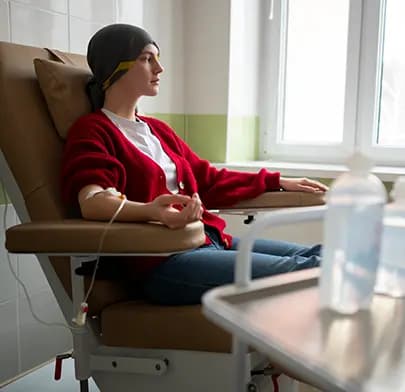
Hemodialysis
Hemodialysis is a treatment for kidney failure. It uses a machine to clean your blood when your kidneys fail to do so. Two needles are inserted into your arm to connect to the machine, which filters out waste and fluid. Hemodialysis helps control blood pressure and mineral levels, starting way before kidney failure gets very serious or fatal.
 Free Pick up and Drop
No Cost EMI
Post Surgery Care
Hemodialysis is a treatment for kidney failure. It uses a machine to clean your blood when your kidneys fail to do so. Two needles are inserted into your arm to connect to the machine, which filters out waste and fluid. Hemodialysis helps control blood pressure and mineral levels, starting way before kidney failure gets very serious or fatal.
Symptoms Of Hemodialysis
Symptoms
Symptoms of Kidney Failure
 Nausea or vomiting
 Elevated potassium levels
 Acid buildup in the blood
 Excessive fluid accumulation
 Types of conditions
There are 2 main types of Hemodialysis
Hemodialysis
Peritoneal Dialysis
Hemodialysis
-
Process: Blood is circulated out of the body through a machine called a dialyzer, which acts as an artificial kidney. Inside the dialyzer, blood passes through semi-permeable membranes that filter out waste products and excess fluids. The cleansed blood is then returned to the body.
-
Access: Requires a vascular access point, typically created surgically by joining an artery to a vein to form a fistula or by using a synthetic graft or catheter.
-
Frequency: Typically performed in a dialysis center, usually three times a week for about 3 to 5 hours each session.
-
Advantages: Effective at quickly removing waste products and excess fluids from the bloodstream.
-
Considerations: Requires regular visits to a dialysis center and adherence to a strict treatment schedule.
Symptoms of Kidney Failure
- Nausea, vomiting, swelling, or fatigue: Common symptoms of kidney failure.
- Intractable hyperkalemia: Elevated potassium levels that are difficult to manage.
- Acidosis: Buildup of acid in the blood.
- Chronic kidney disease: Long-term impairment of kidney function.
- Therapy-resistant fluid overload: Excessive fluid accumulation that does not respond to treatment.
Diagnosis
Your doctor measures your kidney function using a test called estimated glomerular filtration rate (eGFR). It's calculated from your blood creatinine test results, along with your sex, age, and other factors. The normal eGFR value varies depending on your age. This helps determine when to start treatments like hemodialysis.
Causes of Kidney Failure
- Diabetes
- Hypertension (high blood pressure)
- Glomerulonephritis (kidney inflammation)
- Polycystic kidney disease (kidney cysts)
- Inherited kidney diseases
- Prolonged use of medications such as nonsteroidal anti-inflammatory drugs
- Acute on chronic kidney disease triggered by infections, surgeries, or stressful events
Preparing for surgery
Preparation for hemodialysis typically begins weeks to months before the first procedure, involving the creation of a vascular access for bloodstream access. There are three types:
-
Arteriovenous (AV) fistulas surgically connect an artery and vein in the arm for hemodialysis access. This is a safer option and takes about 6 months to be established.
-
AV grafts utilize a synthetic tube to create a connection between an artery and vein when the blood vessels are too small for a fistula.
-
Central venous catheters are temporary plastic tubes inserted into a large vein, often in the neck, for emergency hemodialysis access.
Careful maintenance of the access site is crucial to prevent infections and complications. During dialysis, nausea and abdominal cramps may occur due to fluid removal, with adjustments available to alleviate discomfort.
Treatment Details
The frequency of treatment varies, depending on your situation. Each session lasts 3 to 5 hours each. Two options are available :
In-center hemodialysis
- 3-4 treatments per week, during the day or at night.
- You'll need to stick to stricter limits on certain foods.
- Trained dialysis team members will handle your treatments.
- You'll have more opportunities to ask questions.
- You'll need reliable transportation to and from the dialysis center.
- You'll have support from others receiving treatments with you.
Home hemodialysis
- 4-6 treatments per week, mostly at night.
- If you do treatments every day, you may not have to be as strict with your meal plan.
- You'll need training to learn how to do your treatment.
- You'll need support at home.
- You may need to make changes at home, like to plumbing and electrical systems, and find space for equipment and supplies.
- You'll have the comfort and privacy of being at home during treatment.
Recovery
In-home dialysis, although less common, may offer various benefits including improved quality of life, reduced symptoms like cramping and nausea, and better overall well-being.
Additionally, regular tests such as Urea Reduction Ratio (URR) and Total Urea Clearance (Kt/V) are conducted to assess the effectiveness of hemodialysis. Between treatments, patients are advised to follow a specific diet, take medications as prescribed, and communicate openly with their healthcare team regarding any concerns or issues.
Your journey to good health begins here

Accredited Hospitals
Nationally accredited hospitals for high-quality care

Multi-language Support
Convey your needs in the language you're most comfortable in

Travel Booking Assistance
Seamless booking assistance for your healthcare journey

Personalised Treatment Plans
A treatment journey tailored to all your preferences and needs

Unparalleled Hospitality
Experience exceptional hospitality during your stay

Easy Medical Visa Approvals
Dedicated assistance for medical visa requirements

Your Medical Assistant
Get instant help planning your treatment journey
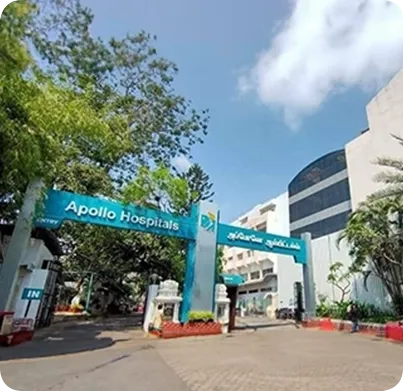
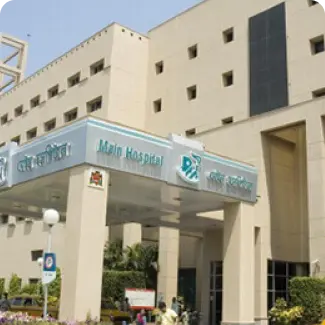
The best hospitals are partnered with Karetrip
Access world-class facilities from top hospitals








Consult with the most experienced doctors
Experience premium care from leading specialists






Cost estimation
Learn about the expenses involved in the procedure and what factors affect them.

The cost of dialysis in India varies considerably depending on various factors. Patients can anticipate monthly expenses ranging from ₹24,000 to ₹48,000.
These variations underscore the importance of considering multiple factors when planning for dialysis treatment in India. These factors are the patient's age, the type of procedure, the room chosen, the patient's medical condition, admission fees, potential complications, the doctor's fee, and the hospital type.
Costs may fluctuate significantly, with the minimum price starting from INR Rs.750, the average cost being around INR ₹.2,356, and the maximum charge reaching up to INR ₹5,000 per session.
Get Cost EstimationThe average cost of Hemodialysis in India is around ₹24,000 to ₹48,000.

₹48,000
High Cost
30,000
Average Cost
₹24,000
Low Cost
The LIST of AVERAGE COST of the Hemodialysis across TOP 7 cities in India in Indian Rupee (INR) is as follows :
City
Lowest Cost
Average Cost
Highest Cost
Bangalore
₹ 750
₹ 2,500
₹ 5,000
Delhi
₹ 788
₹ 2,000
₹ 5,250
Mumbai
₹ 825
₹ 3,000
₹ 5,500
Gurgaon
₹ 750
₹ 2,500
₹ 5,000
Pune
₹ 750
₹ 2,500
₹ 5,000
Chennai
₹ 713
₹ 2000
₹ 4750
Hyderabad
₹ 750
₹ 2,500
₹ 5,000
Commonly Asked Questions
How much time does each treatment take?
Generally, each hemodialysis session lasts about three to four hours and is performed three times a week. However, the duration may vary based on factors like kidney function, waste buildup, and body size.
Why do I need to weigh myself when on hemodialysis?
Monitoring weight helps track excess fluid retention between treatments. Your target weight, or dry weight, is determined collaboratively with your doctor, indicating the ideal weight post-dialysis. Daily weighing helps identify deviations from this target.
Do I need to eat a special diet?
Yes, individuals on dialysis typically require a modified diet. This involves increasing protein intake while restricting potassium, phosphorus, sodium, and fluid consumption. Consultation with a dietitian is crucial for personalized dietary guidelines.
Can dialysis cure my kidney disease?
While dialysis can temporarily manage sudden kidney failure, it does not cure chronic kidney disease. In cases of progressive kidney failure, dialysis becomes a lifelong requirement unless a kidney transplant is feasible.
Can dialysis patients travel?
Yes, dialysis patients can travel domestically and internationally. Prior arrangements for dialysis treatments at alternative centers are necessary. Dialysis facilities are available in various locations worldwide.
Can dialysis patients continue to work?
Yes, many dialysis patients maintain or return to work post-treatment adjustment. However, adjustments to job duties may be necessary, especially if the work involves heavy physical labor.



"I had a successful surgery at Fortis Escorts Hospital, and it was all thanks to Karetrip's help in finding the right hospital for me. The entire process was smooth and stress-free, with Karetrip handling all the arrangements and answering any questions I had. The medical team at the hospital was outstanding, and the facilities were top-notch. I highly recommend Karetrip to anyone looking for a tension-free healthcare experience."
Read MoreFatima
Chattogram

"Thanks to Karetrip, I got connected with MAX Hospital in New Delhi. The team guided me through every step - from finding the right doctor to handling travel and visas. They made a daunting process feel like a breeze. The care I received at MAX Hospital was outstanding, and I can't thank Karetrip enough for making it possible. They truly put patients first and go the extra mile to ensure a smooth healthcare journey. I'm grateful beyond words!"
Read MoreHasan
Dhaka

"At first, I was unsure about having a medical procedure done in a foreign country. However, Karetrip's team at Indraprastha Apollo Hospital made me feel much better. The hospital was very clean, modern, and had everything they needed to help me. The staff were very kind and did everything they could to make me feel comfortable. I'm really happy with how my treatment turned out, and I appreciate Karetrip for making it easy and stress-free."
Read MoreImran
Sylhet
 Google Reviews4.9/5


I had a successful surgery at Fortis Escorts Hospital, and it was all thanks to Karetrip's help in finding the right hospital for me. The entire process was smooth and stress-free, with Karetrip handling all the arrangements and answering any questions I had. The medical team at the hospital was outstanding, and the facilities were top-notch. I highly recommend Karetrip to anyone looking for a tension-free healthcare experience.
Fatima
Chattogram
Google Reviews4.9/5