Peritoneal Dialysis
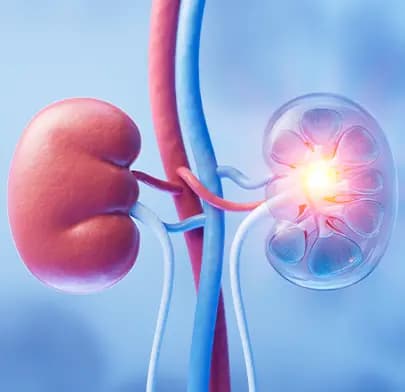
Peritoneal dialysis is a renal replacement therapy that removes waste and excess fluid when kidneys fail. A sterile solution is introduced into the abdomen through a catheter, absorbs waste from the blood, and is then drained, cleansing the blood. This process is repeated multiple times daily.
 Free Pick up and Drop
No Cost EMI
Post Surgery Care
Peritoneal dialysis is a renal replacement therapy that removes waste and excess fluid when kidneys fail. A sterile solution is introduced into the abdomen through a catheter, absorbs waste from the blood, and is then drained, cleansing the blood. This process is repeated multiple times daily.
Symptoms Of Peritoneal Dialysis
Symptoms
 Fatigue and weakness
  Swelling (edema)
  Changes in urination patterns
 Shortness of breath or chest pain
 Types of conditions
There are 2 main types of Peritoneal Dialysis
Continuous Ambulatory Peritoneal Dialysis (CAPD)
Automated Peritoneal Dialysis (APD)
Continuous Ambulatory Peritoneal Dialysis (CAPD)
- CAPD is the most common form of peritoneal dialysis.
- It involves manually exchanging dialysis fluid several times throughout the day, typically four times a day, without the need for a machine.
- Patients perform the exchanges themselves, allowing for flexibility in their daily activities.
Risks Factors
-
Diabetes: Diabetes mellitus, particularly poorly controlled type 1 or type 2 diabetes, is a leading cause of ESRD. Persistent high blood sugar levels can damage the kidneys over time, leading to kidney failure.
-
Hypertension (High Blood Pressure): Chronic high blood pressure is a significant risk factor for ESRD. Over time, elevated blood pressure can damage the small blood vessels in the kidneys, impairing their function and ultimately leading to kidney failure.
-
Chronic Kidney Disease (CKD): Individuals with pre-existing chronic kidney disease are at increased risk of progressing to ESRD, especially if the underlying cause of CKD is not effectively managed or treated.
-
Family History: A family history of kidney disease or ESRD may increase an individual's risk, suggesting a genetic predisposition to kidney problems.
-
Age: The risk of ESRD increases with age, with older adults being more susceptible due to natural age-related changes in kidney function and increased likelihood of developing conditions like diabetes and hypertension.
-
Obesity: Obesity is associated with an increased risk of developing kidney disease and ESRD, particularly in individuals with other metabolic conditions such as diabetes and hypertension.
-
Smoking: Smoking is a modifiable risk factor for kidney disease and ESRD. Cigarette smoking can damage blood vessels and worsen existing kidney damage, accelerating the progression to kidney failure.
-
Certain Medications and Toxins: Long-term use of certain medications, such as nonsteroidal anti-inflammatory drugs (NSAIDs) and some antibiotics, as well as exposure to nephrotoxic substances, can increase the risk of kidney damage and ESRD.
-
Ethnicity: Certain ethnic groups, such as African Americans, Hispanics, and Native Americans, have a higher prevalence of ESRD compared to other populations, likely due to a combination of genetic, environmental, and socioeconomic factors.
-
Cardiovascular Disease: Individuals with a history of heart disease, stroke, or peripheral vascular disease are at increased risk of developing kidney disease and ESRD, as these conditions often coexist and share common risk factors.
Preparing For Surgery
- You'll need surgery to get a catheter placed in your stomach area, often near the belly button. The catheter is the tube that carries cleansing fluid in and out of your abdomen. The surgery is done using medicine that keeps you from feeling pain, called anesthesia.
- After the tube is placed, your health care provider will probably recommend that you wait at least two weeks before you start peritoneal dialysis treatments. This gives the catheter site time to heal.
- You'll also receive training on how to use the peritoneal dialysis equipment.
Recovery
While undergoing peritoneal dialysis, it's essential to adhere closely to your prescribed medication regimen to optimize treatment outcomes. These medications may include those that regulate blood pressure, stimulate red blood cell production, manage nutrient levels, and prevent the accumulation of phosphorus in the bloodstream.
To minimize the risk of infection, stringent hygiene practices are crucial. Before handling your catheter or performing dialysis exchanges, thoroughly wash your hands with soap and warm water. Additionally, clean the catheter insertion site daily with an antibiotic cleanser recommended by your healthcare provider. It's important to keep the catheter dry, and while swimming is generally discouraged, showers are permissible once the catheter site has fully healed post-surgery. When performing exchanges, wear a surgical mask, conduct procedures in clean, dry environments, and follow your healthcare provider's guidance meticulously.
Your healthcare team will provide comprehensive education on catheter care, ensuring you understand and implement the necessary precautions to safeguard against infections and other complications associated with peritoneal dialysis.
Your journey to good health begins here

Accredited Hospitals
Nationally accredited hospitals for high-quality care

Multi-language Support
Convey your needs in the language you're most comfortable in

Travel Booking Assistance
Seamless booking assistance for your healthcare journey

Personalised Treatment Plans
A treatment journey tailored to all your preferences and needs

Unparalleled Hospitality
Experience exceptional hospitality during your stay

Easy Medical Visa Approvals
Dedicated assistance for medical visa requirements

Your Medical Assistant
Get instant help planning your treatment journey
The best hospitals are partnered with Karetrip
Access world-class facilities from top hospitals







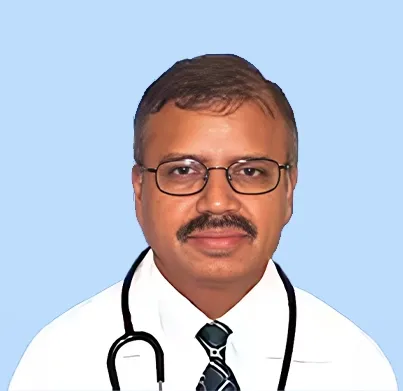
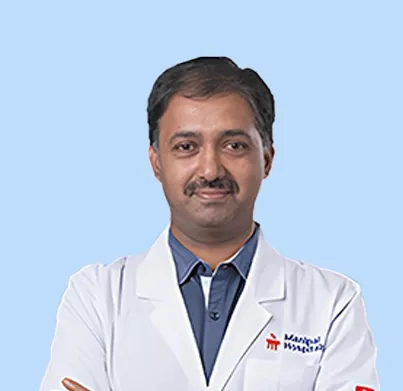
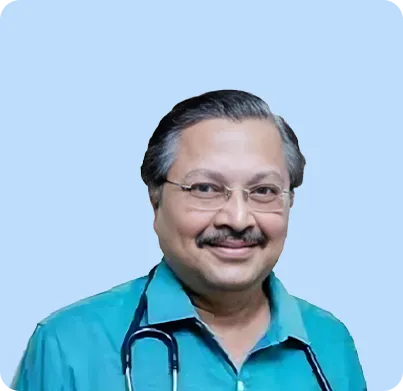
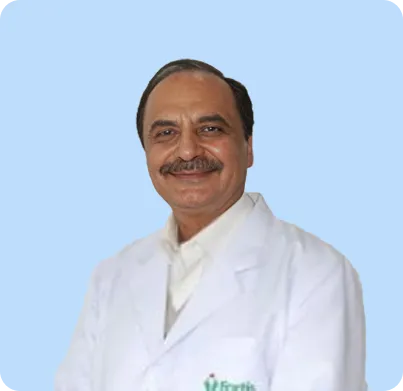
Consult with the most experienced doctors
Experience premium care from leading specialists

Cost estimation
Learn about the expenses involved in the procedure and what factors affect them.

The cost ranges of peritoneal dialysis in India vary depending on factors such as the healthcare facility, type of peritoneal dialysis, and individual patient requirement, doctors fee and duration of treatment. Cost of dialysis per session in different cities of India are mentioned below.
Get Cost EstimationThe average cost of Peritoneal Dialysis in India is around ₹15,000 to ₹35,000.

₹35,000
High Cost
₹20,000
Average Cost
₹15,000
Low Cost
The LIST of AVERAGE COST of the Peritoneal Dialysis across TOP 10 cities in India in Indian Rupee (INR) is as follows :
City
Lowest Cost
Average Cost
Highest Cost
Mumbai
₹ 20,000
₹ 30,000
₹ 35,000
Delhi
₹ 18,000
₹ 20,000
₹ 30,000
Bangalore
₹15,000
₹ 20,000
₹28,000
Kolkata
₹16,000
₹20,000
₹32,000
Chennai
₹ 17,000
₹ 2,000
₹ 29,000
Hyderabad
₹16,500
₹20,000
₹31,500
Pune
₹18,500
₹25,000
₹33,000
Ahmedabad
₹16,000
₹20,000
₹29,000
Jaipur
₹15,500
₹25,000
₹30,500
Lucknow
₹17,000
₹25,000
₹32,000
Commonly Asked Questions
How often do I need to do peritoneal dialysis (PD)?
Peritoneal dialysis is typically done daily, but the frequency may vary depending on your treatment plan and medical condition. Your healthcare provider will determine the appropriate schedule for you.
What are the risks of peritoneal dialysis?
Risks associated with peritoneal dialysis include infections, hernias, weight gain from dialysate fluid, and treatment becoming less effective over time.
Can I take showers while on PD?
Yes, you can take showers once the catheter insertion site has fully healed post-surgery. However, it's important to keep the catheter area dry and avoid soaking in baths or swimming in untreated water bodies to prevent infection.
What should I do if I experience pain during PD?
If you experience pain during peritoneal dialysis, notify your healthcare provider immediately. They can assess the cause of the pain and adjust your treatment plan or provide pain management strategies as needed.
Can I continue working while on PD?
Many people on peritoneal dialysis can continue working, depending on their job requirements and overall health. PD offers flexibility, especially if done at night, allowing for a more manageable balance between treatment and work responsibilities.
How do I handle PD supplies while traveling?
When traveling while on peritoneal dialysis, arrangements can be made to have your supplies shipped to your travel destination. This flexibility allows you to maintain your treatment regimen while enjoying the freedom to travel without being tied to a dialysis center.



"I had a successful surgery at Fortis Escorts Hospital, and it was all thanks to Karetrip's help in finding the right hospital for me. The entire process was smooth and stress-free, with Karetrip handling all the arrangements and answering any questions I had. The medical team at the hospital was outstanding, and the facilities were top-notch. I highly recommend Karetrip to anyone looking for a tension-free healthcare experience."
Read MoreFatima
Chattogram

"Thanks to Karetrip, I got connected with MAX Hospital in New Delhi. The team guided me through every step - from finding the right doctor to handling travel and visas. They made a daunting process feel like a breeze. The care I received at MAX Hospital was outstanding, and I can't thank Karetrip enough for making it possible. They truly put patients first and go the extra mile to ensure a smooth healthcare journey. I'm grateful beyond words!"
Read MoreHasan
Dhaka

"At first, I was unsure about having a medical procedure done in a foreign country. However, Karetrip's team at Indraprastha Apollo Hospital made me feel much better. The hospital was very clean, modern, and had everything they needed to help me. The staff were very kind and did everything they could to make me feel comfortable. I'm really happy with how my treatment turned out, and I appreciate Karetrip for making it easy and stress-free."
Read MoreImran
Sylhet
 Google Reviews4.9/5


I had a successful surgery at Fortis Escorts Hospital, and it was all thanks to Karetrip's help in finding the right hospital for me. The entire process was smooth and stress-free, with Karetrip handling all the arrangements and answering any questions I had. The medical team at the hospital was outstanding, and the facilities were top-notch. I highly recommend Karetrip to anyone looking for a tension-free healthcare experience.
Fatima
Chattogram
Google Reviews4.9/5