Craniotomy
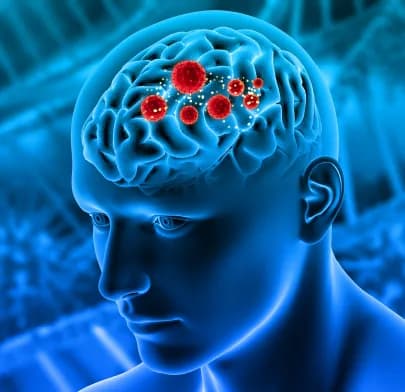
A surgical procedure where a section of the skull is temporarily removed to access the brain. Often used to treat conditions like brain tumors, blood clots, aneurysms and traumatic brain injuries. Neurosurgeons, navigate the brain to remove or repair the abnormal tissue minimizing damage to the brain structures. Skull is then replaced and secured with screws or plates.
 Free Pick up and Drop
No Cost EMI
Post Surgery Care
A surgical procedure where a section of the skull is temporarily removed to access the brain. Often used to treat conditions like brain tumors, blood clots, aneurysms and traumatic brain injuries. Neurosurgeons, navigate the brain to remove or repair the abnormal tissue minimizing damage to the brain structures. Skull is then replaced and secured with screws or plates.
Symptoms Of Craniotomy
Symptoms
 Headaches
 Seizures
 Cognitive Changes
 Vision Problems
Types of conditions
There are 6 main types of Craniotomy
Standard Craniotomy
Keyhole Craniotomy
Craniectomy
Skull Base Craniotomy
Awake Craniotomy
Stereotactic Craniotomy
Standard Craniotomy
This is the most common type of craniotomy, where a portion of the skull is removed to access the brain. It allows neurosurgeons to treat various conditions such as brain tumors, aneurysms, blood clots, or traumatic brain injuries.
Diagnosis
1. Neurological Examination: A thorough assessment of neurological function, including reflexes, coordination, sensation, and muscle strength, helps identify any abnormalities that may indicate a brain tumor.
2. Imaging Studies: MRI (Magnetic Resonance Imaging) and CT (Computed Tomography) scans provide detailed images of the brain, allowing for the detection, localization, and characterization of brain tumors.
3. Biopsy: A tissue sample is obtained either through a surgical procedure or image-guided needle biopsy to confirm the presence of a brain tumor and determine its type and grade.
4. Cerebrospinal Fluid Analysis: If a tumor is suspected to have spread to the spinal cord or meninges, a sample of cerebrospinal fluid may be collected and analyzed for cancer cells.
5. Genetic Testing: Molecular testing may be performed to identify specific genetic mutations or biomarkers associated with certain types of brain tumors, aiding in diagnosis and treatment planning.
Risk Factors
1. Age: The risk of developing brain tumors increases with age, with certain types more common in specific age groups.
2. Family History: Individuals with a family history of brain tumors or certain genetic syndromes, such as neurofibromatosis or Li-Fraumeni syndrome, have an increased risk.
3. Radiation Exposure: Previous exposure to ionizing radiation, whether from medical treatments (such as radiation therapy for other cancers) or environmental sources, can increase the risk of brain tumors.
4. Genetic Factors: Inherited genetic mutations, such as those associated with neurofibromatosis type 1 and type 2, can predispose individuals to develop brain tumors.
5. Certain Medical Conditions: Conditions such as HIV/AIDS and immune system disorders may increase the risk of certain types of brain tumors.
Preparing for Surgery
1. Consultation and Education: Patients meet with their neurosurgeon to discuss the surgical procedure, potential risks, benefits, and post-operative care. They receive detailed information about what to expect before, during, and after surgery.
2. Medical Evaluation: A thorough pre-operative assessment is conducted to evaluate the patient's overall health, including blood tests, imaging studies, and cardiac evaluations, to ensure they are fit for surgery.
3. Medication Management: Patients may need to adjust or temporarily discontinue certain medications, especially blood thinners, herbal supplements, or medications that can interfere with anesthesia or increase the risk of bleeding.
4. Nutritional Guidelines: Maintaining proper nutrition before surgery is important for optimal healing. Patients may be advised to follow specific dietary recommendations and avoid certain foods or beverages before surgery.
5. Pre-operative Instructions: Patients receive instructions regarding fasting guidelines, showering with special antibacterial soap, and avoiding alcohol or smoking in the days leading up to surgery to minimize the risk of complications. They are also advised on what personal items to bring to the hospital.
Treatment Details
Types of Treatment:
-
Surgery: Craniotomy involves the surgical removal of the tumor, aiming to extract as much abnormal tissue as possible while preserving healthy brain function.
-
Radiation Therapy: High-energy radiation, either delivered externally (external beam radiation therapy) or internally (brachytherapy), is used to destroy cancer cells or inhibit their growth.
-
Chemotherapy: Medications are administered orally or intravenously to kill cancer cells or slow their proliferation, often used in combination with surgery and/or radiation therapy.
-
Targeted Therapy: Drugs specifically designed to target genetic mutations or proteins unique to certain types of brain tumors, aiming to block tumor growth and improve outcomes.
-
Immunotherapy: This treatment harnesses the body's immune system to recognize and attack cancer cells, potentially enhancing the body's ability to fight the tumor.
Technology Used:
- Neuronavigation: Advanced imaging techniques such as MRI and CT scans are used for precise localization of the tumor and to assist neurosurgeons in navigating critical brain structures during surgery.
- Intraoperative MRI: Some facilities offer intraoperative MRI capabilities, allowing for real-time imaging during surgery to ensure complete tumor removal while minimizing damage to surrounding healthy tissue.
- Gamma Knife Radiosurgery: Gamma Knife is a non-invasive radiation therapy technique that delivers highly focused radiation beams to target tumors with extreme accuracy, sparing nearby healthy tissue.
- Robotic Surgery: Robotic-assisted surgical systems may be utilized for certain brain tumor surgeries, enhancing precision and allowing for minimally invasive approaches when appropriate.
- Genomic Sequencing: Advanced genomic testing may be employed to identify specific genetic mutations or biomarkers associated with brain tumors, guiding personalized treatment approaches.
Facilities Available for Craniotomy Procedure in India
- Neurosurgery Departments: Major hospitals and medical centers have specialized neurosurgery departments equipped with state-of-the-art operating rooms and advanced imaging facilities for brain tumor surgeries.
- Comprehensive Cancer Centers: Dedicated cancer centers often offer multidisciplinary teams of specialists, including neurosurgeons, radiation oncologists, medical oncologists, and support services for comprehensive brain tumor care.
- Research Institutions: Academic medical centers and research institutions may provide access to cutting-edge treatments, clinical trials, and innovative technologies for brain tumor management.
- Gamma Knife Centers: Specialized centers equipped with Gamma Knife radiosurgery technology provide precise radiation therapy for brain tumors, often as an outpatient procedure.
- Rehabilitation Facilities: Rehabilitation centers or programs within hospitals offer support and therapy for patients recovering from brain tumor surgery, helping them regain function and quality of life.
Recovery
1. Hospital Stay: Patients typically remain in the hospital for 3 to 7 days following surgery, depending on the extent of the procedure and post-operative progress.
2. Pain Management: Pain medications are administered as needed to manage discomfort during the initial days post-surgery.
3. Neurological Monitoring: Continuous neurological assessments are conducted throughout the hospital stay to monitor for any changes in cognitive function, sensation, movement, or speech.
4. Physical Therapy: Patients may begin physical therapy exercises within the first few days after surgery to promote mobility and prevent muscle weakness.
5. Radiation or Chemotherapy: Adjuvant treatments such as radiation therapy or chemotherapy may begin within a few weeks to months after surgery, depending on the individual's recovery and treatment plan.
Your journey to good health begins here

Accredited Hospitals
Nationally accredited hospitals for high-quality care

Multi-language Support
Convey your needs in the language you're most comfortable in

Travel Booking Assistance
Seamless booking assistance for your healthcare journey

Personalised Treatment Plans
A treatment journey tailored to all your preferences and needs

Unparalleled Hospitality
Experience exceptional hospitality during your stay

Easy Medical Visa Approvals
Dedicated assistance for medical visa requirements

Your Medical Assistant
Get instant help planning your treatment journey
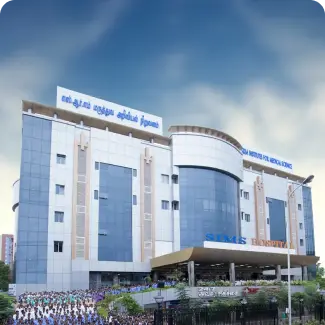
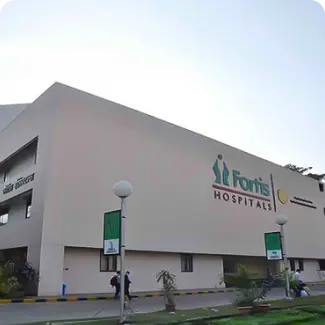
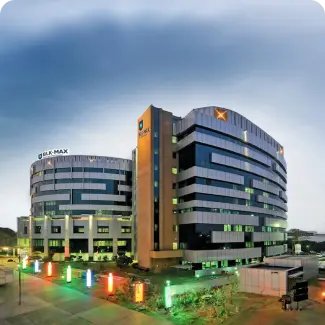
The best hospitals are partnered with Karetrip
Access world-class facilities from top hospitals



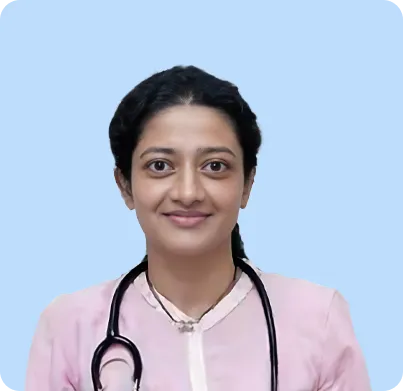
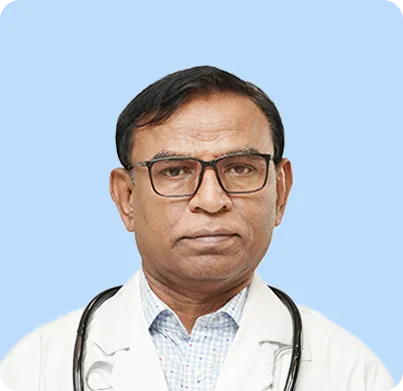
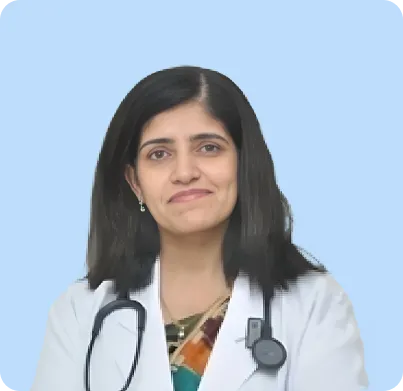
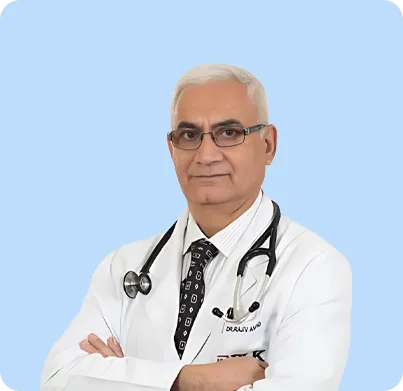
Consult with the most experienced doctors
Experience premium care from leading specialists
Cost estimation
Learn about the expenses involved in the procedure and what factors affect them.

1. Type of Procedure: The cost varies depending on the complexity of the craniotomy, whether it involves tumor removal, biopsy, or other neurosurgical interventions.
2. Hospital Charges: Costs include fees for the surgical facility, operating room, and post-operative care, which can differ based on the hospital's location and reputation.
3. Surgeon's Fees: Surgeon's fees account for the expertise and experience of the neurosurgeon performing the procedure.
4. Diagnostic Tests: Pre-operative tests such as MRI, CT scans, and laboratory tests contribute to the overall cost.
5. Additional Treatments: Post-operative care, medications, rehabilitation, and potential complications can add to the total expenses.
Get Cost EstimationThe average cost of Craniotomy in India is around ₹1,20,000 to ₹5,00,000.

₹5,00,000
High Cost
₹3,00,000
Average Cost
₹1,20,000
Low Cost
The LIST of AVERAGE COST of the Craniotomy across TOP 4 cities in India in Indian Rupee (INR) is as follows :
City
Lowest Cost
Average Cost
Highest Cost
Delhi
₹1,20,000
₹3,40,000
₹4,50,000
Mumbai
₹1,50,000
₹3,50,000
₹5,00,000
Bangalore
₹1,00,000
₹3,00,000
₹4,00,000
Chennai
₹1,30,000
₹3,40,000
₹4,80,000
Commonly Asked Questions
What are the common symptoms of a brain tumor?
Symptoms may include persistent headaches, seizures, cognitive changes, vision problems, and weakness or numbness in specific body parts.
What causes brain tumors?
The exact cause is often unknown, but factors such as genetic predisposition, radiation exposure, and certain genetic syndromes may increase the risk of developing brain tumors.
How are brain tumors diagnosed?
Diagnosis typically involves a combination of imaging studies (MRI, CT scans), neurological examinations, biopsy, and analysis of cerebrospinal fluid.
What are the treatment options for brain tumors?
Treatment options may include surgery, radiation therapy, chemotherapy, targeted therapy, and immunotherapy, depending on the type, size, location, and grade of the tumor.
Is surgery the only treatment option for brain tumors?
No, treatment plans are tailored to each individual and may include a combination of treatments such as radiation therapy, chemotherapy, or other targeted therapies, depending on the specific characteristics of the tumor.
What is the prognosis for brain tumor patients?
Prognosis varies widely depending on factors such as the type of tumor, its size, location, grade, and the individual's overall health. Early diagnosis and appropriate treatment can improve outcomes.
Are there support services available for brain tumor patients and their families?
Yes, many hospitals and cancer centers offer support groups, counseling services, and resources to help patients and their families cope with the emotional, psychological, and practical aspects of living with a brain tumor diagnosis.



"I had a successful surgery at Fortis Escorts Hospital, and it was all thanks to Karetrip's help in finding the right hospital for me. The entire process was smooth and stress-free, with Karetrip handling all the arrangements and answering any questions I had. The medical team at the hospital was outstanding, and the facilities were top-notch. I highly recommend Karetrip to anyone looking for a tension-free healthcare experience."
Read MoreFatima
Chattogram

"Thanks to Karetrip, I got connected with MAX Hospital in New Delhi. The team guided me through every step - from finding the right doctor to handling travel and visas. They made a daunting process feel like a breeze. The care I received at MAX Hospital was outstanding, and I can't thank Karetrip enough for making it possible. They truly put patients first and go the extra mile to ensure a smooth healthcare journey. I'm grateful beyond words!"
Read MoreHasan
Dhaka

"At first, I was unsure about having a medical procedure done in a foreign country. However, Karetrip's team at Indraprastha Apollo Hospital made me feel much better. The hospital was very clean, modern, and had everything they needed to help me. The staff were very kind and did everything they could to make me feel comfortable. I'm really happy with how my treatment turned out, and I appreciate Karetrip for making it easy and stress-free."
Read MoreImran
Sylhet
 Google Reviews4.9/5


I had a successful surgery at Fortis Escorts Hospital, and it was all thanks to Karetrip's help in finding the right hospital for me. The entire process was smooth and stress-free, with Karetrip handling all the arrangements and answering any questions I had. The medical team at the hospital was outstanding, and the facilities were top-notch. I highly recommend Karetrip to anyone looking for a tension-free healthcare experience.
Fatima
Chattogram
Google Reviews4.9/5