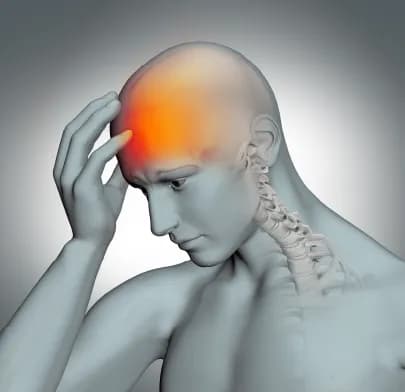
Intracranial Aneurysm
More so known as bulging or weakening of a blood vessel wall in the brain could lead to ruptures and life threatening bleeding. General causes include genetics, hypertension and trauma. Significant symptoms include headaches, nausea, and blurred vision. It’s detected by tests like CT scans and Cerebral Angiography.
 Free Pick up and Drop
No Cost EMI
Post Surgery Care
More so known as bulging or weakening of a blood vessel wall in the brain could lead to ruptures and life threatening bleeding. General causes include genetics, hypertension and trauma. Significant symptoms include headaches, nausea, and blurred vision. It’s detected by tests like CT scans and Cerebral Angiography.
Symptoms Of Intracranial Aneurysm
Symptoms
 Sudden, severe headache
 Nausea and vomiting
 Blurred or double vision
 Sensitivity to light
Types of conditions
There are 5 main types of Intracranial Aneurysm
Surgical Clipping
Endovascular Coiling
Flow Diversion
Neurosurgical Clipping
Radiosurgery
Surgical Clipping
- Involves making an opening in the skull to access the aneurysm, followed by placing a small metal clip at the neck of the aneurysm to prevent further rupture.
- Microsurgical techniques and specialised instruments are used to access and clip the aneurysm under high magnification.
- Typically performed in well-equipped neurosurgery departments or specialised centres with advanced operating theatres and neuroimaging facilities.
Symptoms of Intracranial Aneurysm
- Sudden, severe headache: Often described as the worst headache of one's life, it is a common symptom of a ruptured intracranial aneurysm.
- Nausea and vomiting: These symptoms may accompany a severe headache and indicate potential bleeding within the brain.
- Blurred or double vision: Vision disturbances can occur due to pressure on the optic nerves caused by the aneurysm.
- Stiff neck: A sign of irritation in the meninges (the membranes covering the brain and spinal cord) due to bleeding.
- Sensitivity to light: Photophobia can occur as a result of increased pressure within the skull due to bleeding or swelling associated with the aneurysm.
Diagnosis
- CT Scan: Utilised for initial assessment, providing detailed images of the brain to detect abnormalities like aneurysms.
- MRI: Offers high-resolution images of the brain and blood vessels, aiding in the diagnosis and assessment of intracranial aneurysms.
- Cerebral Angiography: Involves injecting contrast dye into blood vessels to visualise blood flow and detect aneurysms.
- Lumbar Puncture: Helps diagnose subarachnoid haemorrhage caused by a ruptured aneurysm by analysing cerebrospinal fluid for blood.
- Digital Subtraction Angiography (DSA): A more advanced form of angiography that creates detailed images of blood vessels to identify aneurysms and their characteristics.
Causes
- Genetics: Family history of aneurysms can increase susceptibility due to inherited structural weaknesses in blood vessel walls.
- Hypertension: Chronic high blood pressure can weaken blood vessel walls, making them more prone to aneurysm formation.
- Smoking: Tobacco use can damage blood vessels, leading to the development of aneurysms.
- Atherosclerosis: Build-up of fatty deposits in arteries can weaken vessel walls, contributing to aneurysm formation.
- Trauma: Head injuries or trauma to blood vessels can cause structural damage, increasing the risk of aneurysms.
Preparing for Surgery
- Medical Evaluation: Undergo thorough medical assessments, including blood tests, imaging scans, and possibly a cardiac evaluation, to ensure fitness for surgery.
- Medication Adjustment: Inform your healthcare provider about all medications and supplements you're taking, as some may need to be adjusted or discontinued prior to surgery.
- Preoperative Instructions: Follow specific preoperative instructions provided by your healthcare team, such as fasting requirements and medication guidelines.
- Arrange Support: Arrange for transportation to and from the hospital on the day of surgery, and ensure you have support at home during the recovery period.
- Discuss Anesthesia: Consult with the anesthesiologist to discuss anaesthesia options, potential risks, and any concerns you may have.
Recovery
- Surgical Clipping: Recovery typically involves a hospital stay of 3 to 7 days, followed by several weeks to months of gradual recovery at home. Patients may experience fatigue, headaches, and mild cognitive difficulties during this period.
- Endovascular Coiling: Recovery time is often shorter compared to surgical clipping, with hospital stays ranging from 1 to 3 days. Most patients can resume normal activities within a week, although some may experience fatigue and mild discomfort for a few weeks.
- Flow Diversion: Recovery after flow diversion procedures can vary, with hospital stays ranging from 1 to 5 days. Patients may need several weeks to months for complete recovery, during which they may experience fatigue, headaches, and cognitive changes.
- Radiosurgery: Recovery after radiosurgery is typically shorter compared to surgical or endovascular procedures. Most patients can resume normal activities within a few days to a week, although some may experience mild side effects such as headaches or fatigue for a short period.
Your journey to good health begins here

Accredited Hospitals
Nationally accredited hospitals for high-quality care

Multi-language Support
Convey your needs in the language you're most comfortable in

Travel Booking Assistance
Seamless booking assistance for your healthcare journey

Personalised Treatment Plans
A treatment journey tailored to all your preferences and needs

Unparalleled Hospitality
Experience exceptional hospitality during your stay

Easy Medical Visa Approvals
Dedicated assistance for medical visa requirements

Your Medical Assistant
Get instant help planning your treatment journey
The best hospitals are partnered with Karetrip
Access world-class facilities from top hospitals








Consult with the most experienced doctors
Experience premium care from leading specialists






Cost estimation
Learn about the expenses involved in the procedure and what factors affect them.

Treatment cost for intracranial aneurysm treatment in India can vary based on several factors including:
- Type of Treatment: Surgical clipping, endovascular coiling, or flow diversion procedures have different associated costs.
- Hospital Charges: Costs may vary based on the hospital's location, infrastructure, and reputation.
- Physician Fees: Surgeon fees, anesthesiologist fees, and other healthcare provider charges can impact the overall cost.
- Diagnostic Tests: Costs for imaging tests such as CT scans, MRI scans, and cerebral angiography contribute to the total expenses.
- Length of Hospital Stay: Longer hospitalizations due to complications or intensive care needs can increase costs.
- Post-operative Care: Rehabilitation, follow-up appointments, and medication costs are also factors to consider.
Typical cost of intracranial aneurysm surgery in India ranges from ₹1,30,000 - ₹3,80,00. Contact us for a personalised treatment plan with the exact cost based on your specific case and the doctor’s recommendations.
Get Cost EstimationThe average cost of Intracranial Aneurysm in India is around ₹1,30,000 to ₹3,80,000.

₹3,80,000
High Cost
₹2,00,000
Average Cost
₹1,30,000
Low Cost
The LIST of AVERAGE COST of the Intracranial Aneurysm across TOP 4 cities in India in Indian Rupee (INR) is as follows :
City
Lowest Cost
Average Cost
Highest Cost
Delhi
₹1,40,000
₹2,00,000
₹3,20,000
Mumbai
₹1,50,000
₹2,00,000
₹3,50,000
Bangalore
₹1,60,000
₹2,00,000
₹3,80,000
Chennai
₹1,30,000
₹2,00,000
₹3,00,000
Commonly Asked Questions
What causes intracranial aneurysms?
Intracranial aneurysms can be caused by a combination of factors including genetics, high blood pressure, smoking, atherosclerosis, and head trauma.
What are the symptoms of an intracranial aneurysm?
Common symptoms include sudden, severe headaches, nausea, vomiting, blurred or double vision, stiffness in the neck, and sensitivity to light.
How are intracranial aneurysms diagnosed?
Diagnosis typically involves imaging tests such as CT scans, MRI scans, cerebral angiography, and lumbar puncture to detect and evaluate the aneurysm.
What are the treatment options for intracranial aneurysms?
Treatment options include surgical clipping, endovascular coiling, flow diversion, and radiosurgery, with the choice depending on factors such as the size, location, and shape of the aneurysm, as well as the patient's overall health.
What is the prognosis after treatment for an intracranial aneurysm?
The prognosis varies depending on factors such as the size and location of the aneurysm, whether it has ruptured, and the chosen treatment method. With prompt diagnosis and appropriate treatment, many individuals can recover and lead productive lives.
Can intracranial aneurysms be prevented?
While some risk factors like genetics cannot be changed, lifestyle modifications such as quitting smoking, managing high blood pressure, and adopting a healthy diet and exercise routine may help reduce the risk of developing aneurysms. Regular medical check-ups and screenings may also aid in early detection and management.



"I had a successful surgery at Fortis Escorts Hospital, and it was all thanks to Karetrip's help in finding the right hospital for me. The entire process was smooth and stress-free, with Karetrip handling all the arrangements and answering any questions I had. The medical team at the hospital was outstanding, and the facilities were top-notch. I highly recommend Karetrip to anyone looking for a tension-free healthcare experience."
Read MoreFatima
Chattogram

"Thanks to Karetrip, I got connected with MAX Hospital in New Delhi. The team guided me through every step - from finding the right doctor to handling travel and visas. They made a daunting process feel like a breeze. The care I received at MAX Hospital was outstanding, and I can't thank Karetrip enough for making it possible. They truly put patients first and go the extra mile to ensure a smooth healthcare journey. I'm grateful beyond words!"
Read MoreHasan
Dhaka

"At first, I was unsure about having a medical procedure done in a foreign country. However, Karetrip's team at Indraprastha Apollo Hospital made me feel much better. The hospital was very clean, modern, and had everything they needed to help me. The staff were very kind and did everything they could to make me feel comfortable. I'm really happy with how my treatment turned out, and I appreciate Karetrip for making it easy and stress-free."
Read MoreImran
Sylhet
 Google Reviews4.9/5


I had a successful surgery at Fortis Escorts Hospital, and it was all thanks to Karetrip's help in finding the right hospital for me. The entire process was smooth and stress-free, with Karetrip handling all the arrangements and answering any questions I had. The medical team at the hospital was outstanding, and the facilities were top-notch. I highly recommend Karetrip to anyone looking for a tension-free healthcare experience.
Fatima
Chattogram
Google Reviews4.9/5