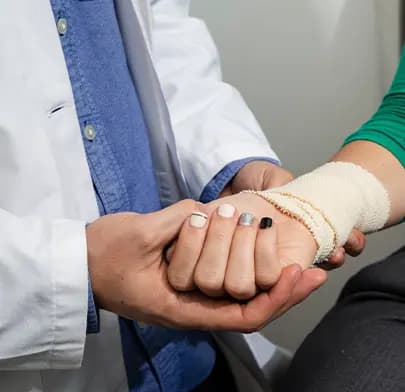
Peripheral Nerve Surgery
Peripheral nerve surgery is a specialized surgical procedure performed to repair, replace, or improve the function of damaged peripheral nerves. Peripheral nerves are the network of nerves that branch out from the brain and spinal cord, carrying signals throughout the body to control muscles, sensation, and other functions. Damage to these nerves can cause pain, weakness, numbness, tingling, and other problems. Peripheral nerve surgery aims to restore or improve nerve functions in patients who experience such issues.
 Free Pick up and Drop
No Cost EMI
Post Surgery Care
Peripheral nerve surgery is a specialized surgical procedure performed to repair, replace, or improve the function of damaged peripheral nerves. Peripheral nerves are the network of nerves that branch out from the brain and spinal cord, carrying signals throughout the body to control muscles, sensation, and other functions. Damage to these nerves can cause pain, weakness, numbness, tingling, and other problems. Peripheral nerve surgery aims to restore or improve nerve functions in patients who experience such issues.
Symptoms Of Peripheral Nerve Surgery
Symptoms
 Sharp Pain
 Muscle Weakness
 Tingling sensation
  Balance problems
Types of conditions
There are 5 main types of Peripheral Nerve Surgery
Neurolysis
Nerve Repair
Nerve Grafting
Nerve Transfer
Microsurgery
Neurolysis
This procedure involves removing scar tissue or other compressions that are putting pressure on the nerve.
Symptoms of PNS
Peripheral nerve damage may cause a variety of symptoms depending on the affected nerve(s) and the severity of the damage. Here are some common signs:
-
Pain: This can range from a constant ache or a burning sensation to sharp, shooting pain.
-
Weakness: Difficulty in using affected muscles, leading to clumsiness or difficulty while performing daily tasks.
-
Numbness: Loss of sensation in the affected area.
-
Tingling: A prickling or pins-and-needles sensation.
-
Balance problems: Imbalance is caused when nerves supplying to the legs or feet are affected.
-
Muscle cramps or twitching
Diagnosis
Peripheral nerve surgery is not a diagnosis itself, but a treatment option for various conditions affecting the peripheral nerves. These nerves are responsible for carrying signals between the brain and spinal cord (central nervous system) and the rest of the body, including the muscles and skin.
Diagnosinga condition that might require peripheral nerve surgery typically involves a two-pronged approach:
-
Medical history and physical examination: The doctor will first discuss your symptoms, medical history, and any risk factors for nerve damage. This may include questions about injuries, infections, repetitive stress activities, or exposure to toxins. A physical examination will then be performed to assess muscle strength, sensation, and reflexes in the affected area.
-
Diagnostic tests: Several tests may be used to pinpoint the location and extent of nerve damage. Some common diagnostic tests for peripheral nerve conditions include:
1. Electromyography (EMG) and nerve conduction velocity (NCV) studies: These tests measure the electrical activity of nerves and muscles to assess nerve function. During an EMG, a small needle electrode is inserted into a muscle to record its electrical activity.
In an NCV test, electrodes are placed on the skin over a nerve to measure the speed and strength of electrical signals traveling through the nerve.
2. Imaging tests: X-rays, CT scans, or MRIs may be used to visualize the affected nerve and identify any underlying causes of compression, such as bone spurs, tumors, or herniated discs.
Causes/Risk Factors
-
Entrapment: This occurs when a nerve gets compressed by surrounding tissues like ligaments, tendons, or muscles. Carpal tunnel syndrome, a common example, arises from compression of the median nerve in the wrist.
-
Trauma: Injuries from accidents, falls, fractures, gunshot wounds, or lacerations can damage nerves.
-
Repetitive stress: Activities that involve repeated motions over long periods can irritate and damage the nerves. This is common in occupations with forceful hand movements or awkward postures.
-
Diseases: Underlying medical conditions like diabetes, shingles, and autoimmune diseases can damage peripheral nerves.
-
Vitamin deficiencies: Deficiencies in vitamin B12 and other essential vitamins can contribute to nerve problems.
-
Toxins: Exposure to toxins like lead or heavy metals can damage nerves.
Preparing for Surgery
Pre-operative Tests:
- Specialized tests: In addition to standard tests, you might undergo specialized tests to assess nerve function.
This could include electromyography (EMG) and nerve conduction velocity (NCV) studies, as mentioned earlier. These tests measure the electrical activity of the nerves and muscles to determine the extent of nerve damage.
- Imaging for visualization: Depending on the type of nerve surgery, imaging tests like MRI scans may be used to get a clearer picture of the affected nerve and surrounding structures. This helps with surgical planning and identifies any underlying cause of compression.
Optimizing Your Health:
-
Nerve-supporting nutrients: Essential nutrients in a balanced diet that's enriched with B - vitamins, particularly vitamin B-12 are crucial for nerve repair and health for a healthy recovery soon after peripheral nerve surgery.
-
Maintain nerve health: If possible, avoid activities that may further irritate the affected nerve in the weeks leading up to surgery.
-
Hydration is key: Staying well-hydrated is important for overall health and can also aid nerve function.
Treatment Details
Types
There are various types of peripheral nerve surgery, each suited to address specific nerve problems. Here are some common procedures:
-
Neurolysis: This procedure involves removing scar tissue or other compressions that are putting pressure on the nerve.
-
Nerve Repair: In cases of severed or transected nerves, surgeons attempt to stitch the damaged ends back together to promote nerve regeneration.
-
Nerve Grafting: If a nerve gap is too large to repair directly, a healthy nerve segment from another part of the body may be used to bridge the gap and aid regeneration of the affected nerve.
-
Nerve Transfer: In some cases, a healthy nerve can be rerouted to take over the function of a damaged nerve.
-
Microsurgery: This specialized technique using magnified visualization and fine instruments is often employed for intricate nerve repairs
Technology used:
Peripheral nerve surgery utilizes a variety of advanced technologies to achieve optimal outcomes. Here's a glimpse of some of the prominent ones:
Microsurgical Techniques:
-
Precision is paramount: Peripheral nerves are delicate structures, and microsurgical techniques are essential for minimizing tissue damage and ensuring accurate nerve repair or reconstruction. These techniques involve using high-powered surgical microscopes that magnify the surgical field, allowing surgeons to work with exceptional precision.
-
Specialized instruments: Microsurgery necessitates specialized instruments like micro sutures and delicate needles designed for handling tiny nerves and tissues.
Imaging Guidance:
-
Intraoperative guidance: Techniques like intraoperative neurophysiological monitoring and ultrasound imaging can be used during surgery to provide real-time feedback on nerve function. This helps surgeons assess the effectiveness of nerve repair and minimize the risk of further nerve damage.
-
Improved visualization: Intraoperative MRI scans are emerging in some specialized centers. This allows surgeons to visualize the surgical field and nerve structures in greater detail during surgery itself.
Nerve Repair Techniques:
-
Nerve grafts: In cases of significant nerve damage or loss, nerve grafts may be used to bridge the gap and promote nerve regeneration. These grafts can be autologous (using a nerve from another part of the patient's body), allogenic (from a deceased donor), or even synthetic materials are being explored in research.
-
Nerve conduits: These are hollow tubes made from biocompatible materials that are implanted to guide nerve regeneration across a nerve gap. They act as a scaffold, supporting the growth of new nerve fibers.
-
Minimally invasive surgery: In some cases, minimally invasive surgical techniques, such as endoscopic surgery, may be employed to access and repair peripheral nerves. This can lead to faster recovery times and less scarring.
Emerging Technologies:
-
Bioengineering advancements: Research is ongoing in the field of bioengineering to develop new materials and techniques to enhance nerve regeneration. This includes exploring the use of stem cells and growth factors to promote nerve repair.
-
Neural interfaces: While still in the early stages of development, neural interface technologies hold promise for peripheral nerve surgery. These interfaces could potentially help restore lost nerve function by directly stimulating nerves or muscles.
Recovery
Recovery from peripheral nerve surgery varies depending on the type of procedure performed and the extent of nerve damage. In general, it can be a lengthy process as nerve regeneration takes time. Here's a general recovery timeline:
-
Immediately after surgery: You'll likely experience some pain, which can be managed with medication. There may be swelling and bruising at the incision site.
-
Hospitalization: The duration of hospital stay depends on the complexity of the surgery.
-
Physical therapy: Rehabilitation plays a crucial role in recovery. Physical therapists will guide you through exercises to regain strength, flexibility, and movement in the affected area.
-
Long-term recovery: Regaining function can be a slow process, sometimes taking months or even a year or more. Patience and consistent efforts with therapy are essential for optimal outcomes.
Your journey to good health begins here

Accredited Hospitals
Nationally accredited hospitals for high-quality care

Multi-language Support
Convey your needs in the language you're most comfortable in

Travel Booking Assistance
Seamless booking assistance for your healthcare journey

Personalised Treatment Plans
A treatment journey tailored to all your preferences and needs

Unparalleled Hospitality
Experience exceptional hospitality during your stay

Easy Medical Visa Approvals
Dedicated assistance for medical visa requirements

Your Medical Assistant
Get instant help planning your treatment journey
The best hospitals are partnered with Karetrip
Access world-class facilities from top hospitals










Consult with the most experienced doctors
Experience premium care from leading specialists






Cost estimation
Learn about the expenses involved in the procedure and what factors affect them.

The cost of peripheral nerve surgery in India can vary depending on factors such as the specific type of surgery required, the complexity of the procedure, the hospital or medical facility chosen, the surgeon's fees, and any additional medical expenses such as pre-operative tests and post-operative care.
On average, the cost of peripheral nerve surgery in India ranges from ₹50,000 to ₹3,00,000, but this estimate can vary significantly based on individual circumstances and the specific requirements of the surgery.
Get Cost EstimationThe average cost of Peripheral Nerve Surgery in India is around to .

High Cost
Average Cost
Low Cost
The LIST of AVERAGE COST of the Peripheral Nerve Surgery across TOP 4 cities in India in Indian Rupee (INR) is as follows :
City
Lowest Cost
Average Cost
Highest Cost
Mumbai
₹3,46,500
₹3,50,500
₹4,60,000
Delhi
₹3,46,500
₹3,50,500
₹4,60,000
Hyderabad
₹3,46,500
₹3,55,500
₹4,60,000
Chennai
₹3,46,500
₹3,55,500
₹4,60,000
Commonly Asked Questions
What is peripheral nerve surgery?
A surgical procedure to address damaged nerves in the body.
What are the common causes of needing it?
Nerve compression, trauma, repetitive stress, diseases, vitamin deficiencies.
What are the risk factors for needing surgery?
Age, medical conditions, obesity, family history, certain jobs.
How do they diagnose nerve damage?
Medical history, physical exam, EMG/NCV tests, imaging scans.
What are some things to consider before surgery?
Understand the procedure, optimize health, prepare for the day, and discuss post-surgical care.
What are specific considerations for nerve surgery prep?
Discuss surgery details, review medical history, and manage medications.
What technologies are used in surgery?
Microsurgical techniques, imaging guidance, nerve repair techniques.
What are some emerging technologies in this field?
Bioengineering advancements and neural interfaces.
Does the cost vary for this surgery?
Yes, depending on surgery type, hospital choice, surgeon's fees, and more.
Is surgery always the answer for nerve damage?
No, often conservative measures like physical therapy are tried first.



"I had a successful surgery at Fortis Escorts Hospital, and it was all thanks to Karetrip's help in finding the right hospital for me. The entire process was smooth and stress-free, with Karetrip handling all the arrangements and answering any questions I had. The medical team at the hospital was outstanding, and the facilities were top-notch. I highly recommend Karetrip to anyone looking for a tension-free healthcare experience."
Read MoreFatima
Chattogram

"Thanks to Karetrip, I got connected with MAX Hospital in New Delhi. The team guided me through every step - from finding the right doctor to handling travel and visas. They made a daunting process feel like a breeze. The care I received at MAX Hospital was outstanding, and I can't thank Karetrip enough for making it possible. They truly put patients first and go the extra mile to ensure a smooth healthcare journey. I'm grateful beyond words!"
Read MoreHasan
Dhaka

"At first, I was unsure about having a medical procedure done in a foreign country. However, Karetrip's team at Indraprastha Apollo Hospital made me feel much better. The hospital was very clean, modern, and had everything they needed to help me. The staff were very kind and did everything they could to make me feel comfortable. I'm really happy with how my treatment turned out, and I appreciate Karetrip for making it easy and stress-free."
Read MoreImran
Sylhet
 Google Reviews4.9/5


I had a successful surgery at Fortis Escorts Hospital, and it was all thanks to Karetrip's help in finding the right hospital for me. The entire process was smooth and stress-free, with Karetrip handling all the arrangements and answering any questions I had. The medical team at the hospital was outstanding, and the facilities were top-notch. I highly recommend Karetrip to anyone looking for a tension-free healthcare experience.
Fatima
Chattogram
Google Reviews4.9/5