Stereotactic Radiosurgery (SRS)
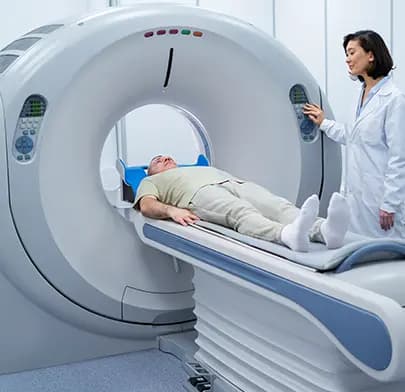
Stereotactic Radiosurgery (SRS) is a non-invasive treatment that uses highly focused radiation beams to precisely target and destroy tumors and other abnormalities in the body, particularly in the brain. It's not actual surgery but delivers radiation with extreme accuracy, minimizing damage to surrounding healthy tissue. SRS is effective for brain tumors, arteriovenous malformations, trigeminal neuralgia, and certain movement disorders. It offers advantages such as shorter recovery times compared to traditional surgery but may have side effects like fatigue and headaches.
 Free Pick up and Drop
No Cost EMI
Post Surgery Care
Stereotactic Radiosurgery (SRS) is a non-invasive treatment that uses highly focused radiation beams to precisely target and destroy tumors and other abnormalities in the body, particularly in the brain. It's not actual surgery but delivers radiation with extreme accuracy, minimizing damage to surrounding healthy tissue. SRS is effective for brain tumors, arteriovenous malformations, trigeminal neuralgia, and certain movement disorders. It offers advantages such as shorter recovery times compared to traditional surgery but may have side effects like fatigue and headaches.
Symptoms Of Stereotactic Radiosurgery (SRS)
Symptoms
 Brain Tumors
 Trigeminal Neuralgia
 Parkinson's Disease
 Essential Tremor
Types of conditions
There are 6 main types of Stereotactic Radiosurgery (SRS)
Brain Tumors
Arteriovenous Malformations (AVMs)
Trigeminal Neuralgia
Movement Disorders
Skull Base Tumors
Spinal Tumors
Brain Tumors
SRS is used to treat both benign and malignant brain tumors, including metastatic tumors, meningiomas, gliomas, and acoustic neuromas.
Treatment options
1. Brain Tumors: Surgery: radiation therapy (including SRS), chemotherapy, targeted drug therapy.
2. Arteriovenous Malformations (AVMs): SRS, embolization, surgical removal, observation.
3. Trigeminal Neuralgia: Medications, SRS, microvascular decompression surgery.
4. Parkinson's Disease: Medications, deep brain stimulation (DBS), therapy.
5. Essential Tremor: Medications, SRS, DBS surgery.
Diagnosis
1. Imaging Studies: MRI, CT scans, and angiography provide detailed images of the brain to identify tumors, arteriovenous malformations (AVMs), or other abnormalities.
2. Clinical Evaluation: Neurological examination and medical history help assess symptoms and neurological function associated with conditions like trigeminal neuralgia, Parkinson's disease, or essential tremor.
3. Biopsy: Tissue sampling may be performed to determine the type and grade of brain tumors.
4. Functional Imaging: Functional MRI (fMRI) maps brain activity to identify specific regions associated with essential functions like movement or sensation, aiding treatment planning for conditions such as essential tremor or Parkinson's disease.
Causes/ Risk Factors
1. Genetic Factors: Inherited mutations can predispose to conditions like brain tumors or neurological disorders.
2. Environmental Exposures: Toxins or radiation exposure can increase the risk of brain tumors or neurological conditions.
3. Age: Advancing age is a significant risk factor for various neurological conditions.
4. Previous Brain Injury or Surgery: Trauma or past surgeries can elevate the risk of conditions requiring SRS.
5. Family History: A family history of certain neurological conditions can increase individual risk.
6. Vascular Factors: Conditions affecting brain blood vessels can lead to neurological symptoms requiring SRS.
Preparing for surgery
1. Medical Evaluation: Undergo a thorough medical evaluation to assess overall health and identify any underlying conditions that may affect the surgery.
2. Preoperative Instructions: Follow specific instructions provided by your healthcare team, such as fasting before surgery or stopping certain medications.
3. Tests and Screenings: Undergo necessary tests and screenings, such as blood tests, imaging scans, or electrocardiograms, to evaluate health status and assess surgical risks.
4. Discussion with Surgeon: Discuss the procedure, potential risks, and expected outcomes with your surgeon to address any concerns and ensure informed consent.
5. Anesthesia Consultation: Meet with an anesthesiologist to discuss anesthesia options and anesthesia-related risks.
6. Preoperative Lifestyle Adjustments: Make necessary lifestyle adjustments, such as quitting smoking, maintaining a healthy diet, and engaging in regular exercise, to optimize health before surgery.
7. Arrange Transportation and Support: Arrange transportation to and from the hospital on the day of surgery, and ensure you have support at home during the recovery period.
8. Prepare Your Home: Prepare your home for postoperative recovery, including arranging comfortable sleeping arrangements and stocking up on necessary supplies.
9. Follow Preoperative Guidelines: Follow any additional preoperative guidelines provided by your healthcare team, such as avoiding alcohol or adhering to specific hygiene protocols.
10. Emotional Preparation: Prepare emotionally for the surgery by seeking support from loved ones and discussing any fears or anxieties with your healthcare team.
Treatment details
Types
-
Surgery: Physically removes tumors or abnormal tissue through incisions.
-
Radiation Therapy: Uses high-energy beams to target and destroy tumors or abnormal tissue.
-
Chemotherapy: Kills cancer cells or slows their growth using drugs.
-
Immunotherapy: Utilizes the immune system to fight cancer.
-
Targeted Therapy: Targets specific molecules involved in cancer growth.
-
Hormone Therapy: Alters hormone levels to inhibit tumor growth.
-
Stereotactic Radiosurgery (SRS): Precisely delivers radiation to tumors without surgery.
-
Palliative Care: Focuses on symptom relief and improving quality of life.
-
Alternative and Complementary Therapies: Includes practices like acupuncture and supplements.
-
Clinical Trials: Investigates new treatments or procedures for cancer. Technology used/ Facilities available
-
Linear Accelerators for radiation therapy.
-
Gamma Knife and CyberKnife for precise radiosurgery.
-
Intensity-Modulated Radiation Therapy (IMRT).
-
Advanced surgical techniques like minimally invasive and robotic surgery.
-
Comprehensive cancer centers and specialized neurosurgery centers.
-
Rehabilitation centers offering physical, occupational, and speech therapy.
-
Participation in clinical research and trials for evaluating new treatments.
Recovery
-
Postoperative Care: Follow postoperative instructions provided by healthcare providers, including wound care, medication management, and activity restrictions.
-
Physical Recovery: Gradually resume normal activities as advised by healthcare providers, incorporating physical therapy or rehabilitation exercises if necessary.
-
Symptom Management: Manage symptoms such as pain, nausea, or fatigue with prescribed medications or supportive care measures.
-
Follow-Up Appointments: Attend scheduled follow-up appointments with healthcare providers to monitor progress, address concerns, and adjust treatment plans as needed.
-
Diet and Nutrition: Maintain a balanced diet to support healing and recovery, following any dietary restrictions or recommendations provided by healthcare providers.
-
Emotional Support: Seek emotional support from loved ones, support groups, or mental health professionals to cope with the emotional aspects of recovery.
-
Reintegration: Gradually reintegrate into daily activities, work, or school as tolerated, ensuring adequate rest and self-care.
-
Long-Term Management: Follow long-term management plans, including regular screenings, medications, lifestyle modifications, and ongoing communication with healthcare providers.
-
Patience and Self-Care: Be patient with the recovery process and prioritize self-care to optimize physical and emotional well-being.
-
Alert Healthcare Providers: Notify healthcare providers of any unexpected symptoms, complications, or concerns during the recovery period.
Your journey to good health begins here

Accredited Hospitals
Nationally accredited hospitals for high-quality care

Multi-language Support
Convey your needs in the language you're most comfortable in

Travel Booking Assistance
Seamless booking assistance for your healthcare journey

Personalised Treatment Plans
A treatment journey tailored to all your preferences and needs

Unparalleled Hospitality
Experience exceptional hospitality during your stay

Easy Medical Visa Approvals
Dedicated assistance for medical visa requirements

Your Medical Assistant
Get instant help planning your treatment journey
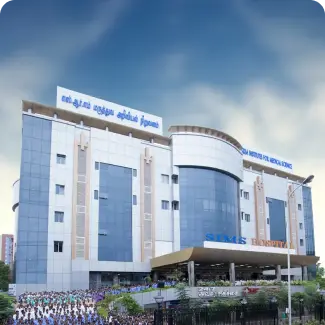
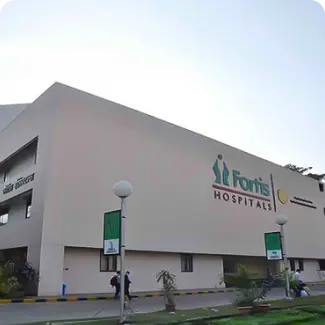
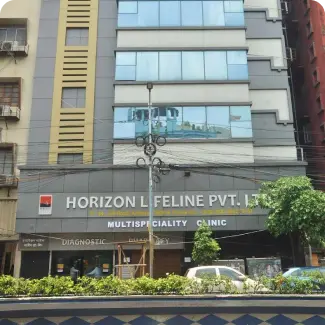
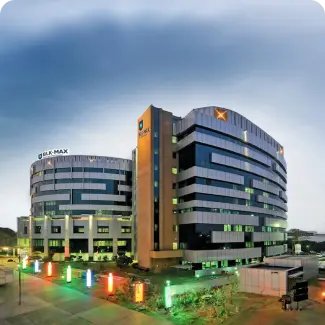
The best hospitals are partnered with Karetrip
Access world-class facilities from top hospitals



Consult with the most experienced doctors
Experience premium care from leading specialists




Cost estimation
Learn about the expenses involved in the procedure and what factors affect them.

In India, the cost of Stereotactic Radiosurgery (SRS) varies based on factors such as the type of facility, complexity of the procedure, and technology utilized. On average, SRS sessions range from INR 50,000 to INR 3,00,000 per session, encompassing the procedure, consultations, imaging studies, and follow-up appointments. Private hospitals and specialized centers may charge higher rates compared to government facilities. Additionally, the use of advanced technologies like Gamma Knife or CyberKnife may influence costs. Patients should consult with their healthcare provider for personalized cost estimates and inquire about available payment options or insurance coverage.
Get Cost EstimationThe average cost of Stereotactic Radiosurgery (SRS) in India is around ₹50,000 to ₹3,00,000.

₹3,00,000
High Cost
₹1,00,000
Average Cost
₹50,000
Low Cost
The LIST of AVERAGE COST of the Stereotactic Radiosurgery (SRS) across TOP 6 cities in India in Indian Rupee (INR) is as follows :
City
Lowest Cost
Average Cost
Highest Cost
Mumbai
₹1,50,000
₹2,00,000
₹3,00,000
Pune
₹1,00,000
₹1,50,000
₹2,50,000
Delhi
₹1,50,000
₹2,00,000
₹3,00,000
Chennai
₹1,00,000
₹1,50,000
₹2,50,000
Bangalore
₹1,00,000
₹1,50,000
₹2,50,000
Hyderabad
₹1,00,000
₹1,50,000
₹2,50,000
Commonly Asked Questions
What Is Stereotactic Radiosurgery (SRS)?
Stereotactic Radiosurgery (SRS) is a non-invasive treatment that uses highly focused radiation beams to precisely target and destroy tumors and other abnormalities in the body, particularly in the brain. It's not actual surgery but delivers radiation with extreme accuracy, minimizing damage to surrounding healthy tissue.
How much will it cost for Stereotactic Radiosurgery (SRS)?
In India, the cost of Stereotactic Radiosurgery (SRS) varies based on factors such as the type of facility, complexity of the procedure, and technology utilized. On average, SRS sessions range from INR 50,000 to INR 3,00,000 per session, encompassing the procedure, consultations, imaging studies, and follow-up appointments.
What are the symptoms of Parkinson's Disease and Brain Tumors?
Symptoms of Brain Tumors may include headaches, seizures, cognitive changes, and changes in vision or speech. And the Symptoms of Parkinson's Disease are tremors, stiffness, slowness of movement, and impaired balance and coordination.
What are the technologies/facilities used for the surgery?
-
Linear Accelerators for radiation therapy.
-
Gamma Knife and CyberKnife for precise radiosurgery.
-
Intensity-Modulated Radiation Therapy (IMRT).
-
Advanced surgical techniques like minimally invasive and robotic surgery.
-
Comprehensive cancer centers and specialized neurosurgery centers.
What are the treatment options for treating Brain Tumors?
The treatment options for brain tumors include surgery, radiation therapy (including SRS), chemotherapy, targeted drug therapy.
How to prepare for Stereotactic Radiosurgery (SRS)?
Preparation for Stereotactic Radiosurgery (SRS) typically involves undergoing imaging studies such as CT scans or MRI scans to precisely localize the treatment target, followed by a consultation with the healthcare team to discuss the procedure, potential risks, and post-operative care instructions.



"I had a successful surgery at Fortis Escorts Hospital, and it was all thanks to Karetrip's help in finding the right hospital for me. The entire process was smooth and stress-free, with Karetrip handling all the arrangements and answering any questions I had. The medical team at the hospital was outstanding, and the facilities were top-notch. I highly recommend Karetrip to anyone looking for a tension-free healthcare experience."
Read MoreFatima
Chattogram

"Thanks to Karetrip, I got connected with MAX Hospital in New Delhi. The team guided me through every step - from finding the right doctor to handling travel and visas. They made a daunting process feel like a breeze. The care I received at MAX Hospital was outstanding, and I can't thank Karetrip enough for making it possible. They truly put patients first and go the extra mile to ensure a smooth healthcare journey. I'm grateful beyond words!"
Read MoreHasan
Dhaka

"At first, I was unsure about having a medical procedure done in a foreign country. However, Karetrip's team at Indraprastha Apollo Hospital made me feel much better. The hospital was very clean, modern, and had everything they needed to help me. The staff were very kind and did everything they could to make me feel comfortable. I'm really happy with how my treatment turned out, and I appreciate Karetrip for making it easy and stress-free."
Read MoreImran
Sylhet
 Google Reviews4.9/5


I had a successful surgery at Fortis Escorts Hospital, and it was all thanks to Karetrip's help in finding the right hospital for me. The entire process was smooth and stress-free, with Karetrip handling all the arrangements and answering any questions I had. The medical team at the hospital was outstanding, and the facilities were top-notch. I highly recommend Karetrip to anyone looking for a tension-free healthcare experience.
Fatima
Chattogram
Google Reviews4.9/5