Basal Cell Cancer
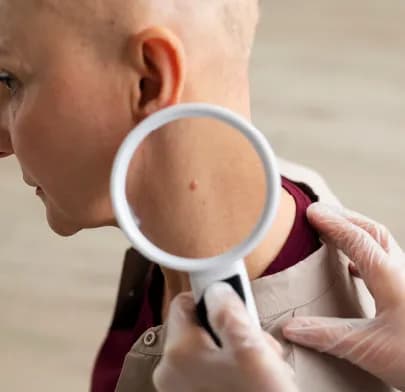
One kind of skin cancer called basal cell carcinoma starts in the skin's basal cells, which are skin cells that divide to make new skin cells as the older ones die off. Although there are different forms it might take, it typically manifests as a little translucent lump on the skin. It mostly affects skin regions like your head and neck that are exposed to the sun.
 Free Pick up and Drop
No Cost EMI
Post Surgery Care
One kind of skin cancer called basal cell carcinoma starts in the skin's basal cells, which are skin cells that divide to make new skin cells as the older ones die off. Although there are different forms it might take, it typically manifests as a little translucent lump on the skin. It mostly affects skin regions like your head and neck that are exposed to the sun.
Symptoms Of Basal Cell Cancer
Symptoms
 Translucent, skin-colored lump
  Lesion with dark patches
  Scaly, flat patches
 Whitish, waxy lesion
Types of conditions
There are 6 main types of Basal Cell Cancer
Surgical Excision
Radiation Therapy
Topical Therapies
Cryotherapy
Electrodessication and Curettage (ED&C)
Chemotherapy
Surgical Excision
- Surgical excision involves removing the cancerous tissue along with a margin of healthy tissue to ensure complete removal.
- Type: This can include standard excision, Mohs micrographic surgery (MMS), and other specialized surgical techniques.
- Technology Used: Mohs surgery utilizes a specialized technique where layers of tissue are removed and examined under a microscope immediately, allowing precise removal of cancerous cells while preserving healthy tissue.
- Facilities Available: Many hospitals and dermatology clinics offer surgical excision procedures, including Mohs surgery, often performed by dermatologists or specially trained surgeons.
Symptoms OF Basal Cell Cancer
- A translucent, skin-colored lump that is glossy and has some surface visibility.
- A lesion with dark patches that is brown, black, blue, or has a slightly elevated, translucent border.
- Scaly, flat patch with a raised border. These patches can get rather big over time.
- A whitish, waxy lesion that resembles a scar but lacks a distinct border.
Diagnosis
- Physical Examination: Doctors visually inspect the skin for abnormal growths or changes.
- Biopsy: A small sample of tissue is taken and examined under a microscope.
- Dermoscopy: Skin lesions are examined closely using a specialized tool.
- Imaging Studies: Scans like ultrasound or MRI assess cancer spread.
- Histopathological Analysis: Tissue samples are analyzed to confirm diagnosis and stage the cancer.
Risk Factors
- Fair Skin and Light Eyes/Hair: People with fair skin, light-colored eyes, and hair are at higher risk due to less melanin, which provides natural protection against UV radiation.
- Age: Risk increases with age, particularly in individuals over 50, due to cumulative sun exposure over a lifetime.
- Personal or Family History: Having a personal history of skin cancer or a family history of basal cell carcinoma increases the risk, suggesting a genetic predisposition or shared environmental factors.
- Immunosuppression: Conditions or medications that suppress the immune system, such as organ transplantation or certain medications used to treat autoimmune diseases, can increase susceptibility to basal cell carcinoma due to reduced ability to repair DNA damage and fight off cancerous cells.
- Occupational Exposure: Certain occupations that involve outdoor work or prolonged sun exposure may increase the risk of developing basal cell carcinoma.
Preparing for Surgery
Once your doctor recommends surgery, they'll guide you through the preparation process. This may involve:
- Blood tests and imaging scans: These are needed to assess your overall health and confirm appendicitis.
- Fasting instructions: You'll likely be instructed to stop eating and drinking several hours before surgery.
- Medications: Your doctor might advise stopping certain medications before surgery.
Recovery
The recovery time for basal cell cancer treatment can vary depending on factors such as the type of treatment, the size and location of the cancer, and individual healing factors. In general:
1. Surgical Excision: Recovery typically takes a few weeks for the wound to heal completely, with stitches removed within 1-2 weeks in most cases.
2. Mohs Micrographic Surgery (MMS): Recovery time may be slightly longer due to the meticulous nature of the procedure, with the wound healing within 2-4 weeks.
3. Radiation Therapy: Recovery time varies, but side effects such as skin irritation and fatigue may last for several weeks to months after treatment completion.
4. Topical Therapies: Recovery time can vary depending on the duration of treatment and individual response, but generally, skin irritation and healing may take several weeks.
5. Cryotherapy and Electrodessication and Curettage (ED&C): Recovery time is relatively short, with the treated area healing within 1-2 weeks in most cases.
Recovery involves:
- Rest: Taking it easy and avoiding strenuous activity for several weeks is crucial.
- Pain management: Your doctor will prescribe medication to manage any postoperative pain.
- Wound care: Following proper cleaning and dressing instructions for the incision site is essential.
Your journey to good health begins here

Accredited Hospitals
Nationally accredited hospitals for high-quality care

Multi-language Support
Convey your needs in the language you're most comfortable in

Travel Booking Assistance
Seamless booking assistance for your healthcare journey

Personalised Treatment Plans
A treatment journey tailored to all your preferences and needs

Unparalleled Hospitality
Experience exceptional hospitality during your stay

Easy Medical Visa Approvals
Dedicated assistance for medical visa requirements

Your Medical Assistant
Get instant help planning your treatment journey
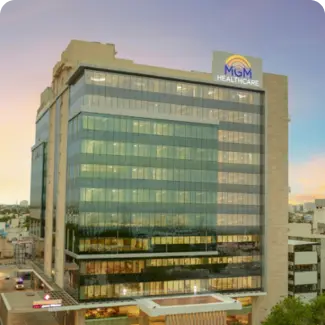
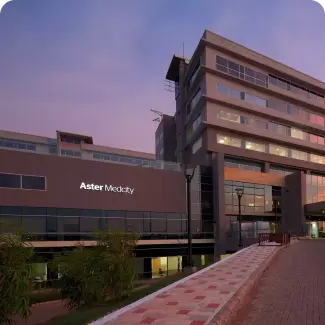
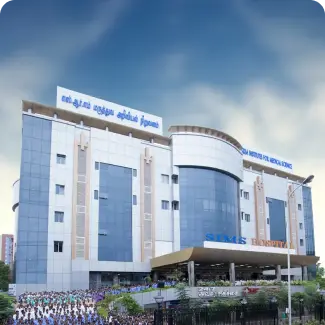
The best hospitals are partnered with Karetrip
Access world-class facilities from top hospitals



Consult with the most experienced doctors
Experience premium care from leading specialists



Cost estimation
Learn about the expenses involved in the procedure and what factors affect them.
- Type of Treatment: The choice of treatment, whether surgical excision, radiation therapy, topical therapies, or others, significantly impacts the overall cost.
- Medical Facility: Costs may vary depending on the healthcare facility's location, reputation, and the level of expertise of the medical team.
- Insurance Coverage: Coverage and reimbursement policies vary among insurance providers, affecting out-of-pocket expenses for patients.
- Geographical Location: Costs can differ based on regional factors such as the cost of living, healthcare infrastructure, and availability of specialized treatment centers.
- Severity and Stage of Cancer: The stage and severity of the cancer, as well as any additional diagnostic tests or treatments required, can influence the overall cost of care.
The average cost of Basal Cell Cancer in India is around ₹69,100 to ₹1,68,000.

₹1,68,000
High Cost
₹1,00,000
Average Cost
₹69,100
Low Cost
The LIST of AVERAGE COST of the Basal Cell Cancer across TOP 4 cities in India in Indian Rupee (INR) is as follows :
City
Lowest Cost
Average Cost
Highest Cost
Delhi
₹76,300
₹1,00,000
₹1,59,500
Mumbai
₹81,000
₹1,00,000
₹1,68,000
Bangalore
₹69,100
₹1,00,000
₹1,43,000
Chennai
₹76,900
₹1,00,000
₹1,58,200
Commonly Asked Questions
What are the common signs of basal cell carcinoma?
Common signs include a shiny, pearly bump, a flat, flesh-colored or brown scar-like lesion, or a bleeding or scabbing sore that doesn't heal.
Is basal cell carcinoma always caused by sun exposure?
Sun exposure is a primary risk factor, but other factors such as genetics, age, and radiation exposure can also contribute to its development.
Can basal cell carcinoma spread to other parts of the body?
While basal cell carcinoma typically grows slowly and tends to remain localized, advanced cases can invade nearby tissues if left untreated. However, it rarely metastasizes to distant organs.
How is basal cell carcinoma treated?
Treatment options vary depending on factors such as the size, location, and type of basal cell carcinoma, but common approaches include surgical excision, radiation therapy, topical therapies, cryotherapy, and electrodessication and curettage (ED&C).
What is the prognosis for basal cell carcinoma?
Basal cell carcinoma is highly treatable and typically has an excellent prognosis, especially when detected early and treated promptly. Recurrence rates are low, and the risk of metastasis is very rare.



"I had a successful surgery at Fortis Escorts Hospital, and it was all thanks to Karetrip's help in finding the right hospital for me. The entire process was smooth and stress-free, with Karetrip handling all the arrangements and answering any questions I had. The medical team at the hospital was outstanding, and the facilities were top-notch. I highly recommend Karetrip to anyone looking for a tension-free healthcare experience."
Read MoreFatima
Chattogram

"Thanks to Karetrip, I got connected with MAX Hospital in New Delhi. The team guided me through every step - from finding the right doctor to handling travel and visas. They made a daunting process feel like a breeze. The care I received at MAX Hospital was outstanding, and I can't thank Karetrip enough for making it possible. They truly put patients first and go the extra mile to ensure a smooth healthcare journey. I'm grateful beyond words!"
Read MoreHasan
Dhaka

"At first, I was unsure about having a medical procedure done in a foreign country. However, Karetrip's team at Indraprastha Apollo Hospital made me feel much better. The hospital was very clean, modern, and had everything they needed to help me. The staff were very kind and did everything they could to make me feel comfortable. I'm really happy with how my treatment turned out, and I appreciate Karetrip for making it easy and stress-free."
Read MoreImran
Sylhet
 Google Reviews4.9/5


I had a successful surgery at Fortis Escorts Hospital, and it was all thanks to Karetrip's help in finding the right hospital for me. The entire process was smooth and stress-free, with Karetrip handling all the arrangements and answering any questions I had. The medical team at the hospital was outstanding, and the facilities were top-notch. I highly recommend Karetrip to anyone looking for a tension-free healthcare experience.
Fatima
Chattogram
Google Reviews4.9/5