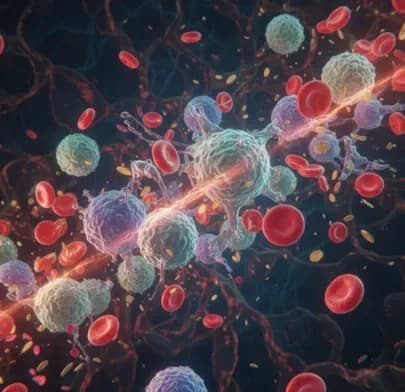
Blood Cancer
Blood cancer affects the production and function of blood cells, usually starting in the bone marrow where these cells are formed. The three main types are Leukemia, Lymphoma, and Multiple Myeloma
 Free Pick up and Drop
No Cost EMI
Post Surgery Care
Blood cancer affects the production and function of blood cells, usually starting in the bone marrow where these cells are formed. The three main types are Leukemia, Lymphoma, and Multiple Myeloma
Symptoms Of Blood Cancer
Symptoms
Symptoms of Blood Cancer
 Unexplained Fatigue
 Easy Bruising or Bleeding
 Swollen Lymph Nodes
 Unexplained Weight Loss
 Bone & Joint Pain
 Night Sweats
Types of conditions
There are 5 main types of Blood Cancer
Leukemia
Lymphoma
Multiple Myeloma
Myelodysplastic Syndromes (MDS)
Myeloproliferative Neoplasms (MPN)
Leukemia
Leukemia is a cancer of the blood and bone marrow, caused by the rapid production of abnormal white blood cells. These abnormal cells are unable to fight infection and impair the bone marrow's ability to produce red blood cells and platelets.
Acute Leukemia: Fast-growing and requires immediate, aggressive treatment.
Chronic Leukemia: Develops more slowly and may not show symptoms for years.
Childhood Leukemia: The most common form of cancer in children, often highly treatable with modern protocols.
Best Treatment Options for Blood Cancer
Treatment in India follows international protocols and is tailored according to cancer subtype, genetic markers, stage, and patient fitness:
-
Chemotherapy: Uses cytotoxic drugs to destroy rapidly dividing cancer cells. Bone Marrow Transplant (BMT) / Stem Cell Transplant:
-
Autologous Transplant: Uses the patient’s own stem cells.
-
Allogenic Transplant: Uses stem cells from a matched donor (related or unrelated).
-
Targeted Therapy: Drugs that act on specific molecular or genetic abnormalities in cancer cells (e.g., Imatinib for CML), sparing normal cells.
-
Immunotherapy (Biologic Therapy): Enhances the body’s immune response to recognise and destroy cancer cells.
-
CAR-T Cell Therapy: A specialised treatment where a patient’s T-cells are genetically modified to target and kill cancer cells, used in selected relapsed or resistant cases.
-
Radiation Therapy: High-energy radiation used to destroy cancer cells, commonly applied in certain lymphomas.
Diagnosis
- Complete Blood Count (CBC): Detects abnormal levels of white cells, red cells, and platelets.
- Bone Marrow Biopsy: A marrow sample (usually from the hip bone) to confirm diagnosis and assess disease extent.
- PET-CT Scan: Evaluates disease spread to lymph nodes and organs.
- Flow Cytometry & Cytogenetics: Specialised tests analysing cancer cell markers and genetic changes to guide therapy selection.
Risk Factors
Factors that may increase the risk of blood cancer include:
- Chemical Exposure: Long-term exposure to chemicals such as benzene.
- Radiation Exposure: Previous high-dose radiation therapy.
- Genetic Disorders: Certain inherited conditions, such as Down syndrome.
- Family History: Blood cancers or related disorders in close relatives.
- Viral Infections: Viruses such as Epstein-Barr Virus (EBV) or HIV.
Risk Factors
Factors that may increase the risk of blood cancer include:
- Chemical Exposure: Long-term exposure to chemicals such as benzene.
- Radiation Exposure: Previous high-dose radiation therapy.
- Genetic Disorders: Certain inherited conditions, such as Down syndrome.
- Family History: Blood cancers or related disorders in close relatives.
- Viral Infections: Viruses such as Epstein-Barr Virus (EBV) or HIV.
Preparing for Treatment
- Fertility Preservation: Chemotherapy or radiation may affect fertility; sperm or egg preservation may be discussed.
- Dental Clearance: Helps reduce infection risk during periods of low immunity. Central Line (PICC / Hickman) Placement: Allows safe administration of chemotherapy and blood products.
- Donor Matching (HLA Typing): Required if a bone marrow or stem cell transplant is planned.
Your journey to good health begins here

Accredited Hospitals
Nationally accredited hospitals for high-quality care

Multi-language Support
Convey your needs in the language you're most comfortable in

Travel Booking Assistance
Seamless booking assistance for your healthcare journey

Personalised Treatment Plans
A treatment journey tailored to all your preferences and needs

Unparalleled Hospitality
Experience exceptional hospitality during your stay

Easy Medical Visa Approvals
Dedicated assistance for medical visa requirements

Your Medical Assistant
Get instant help planning your treatment journey
The best hospitals are partnered with Karetrip
Access world-class facilities from top hospitals
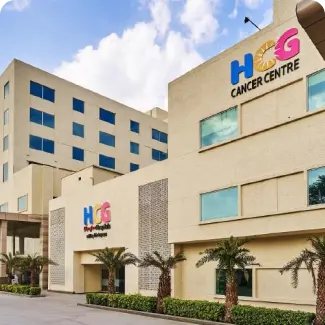

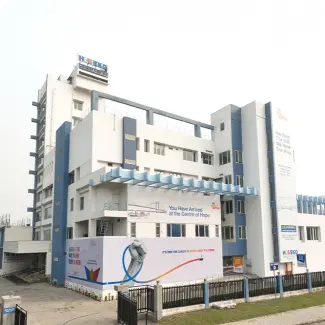







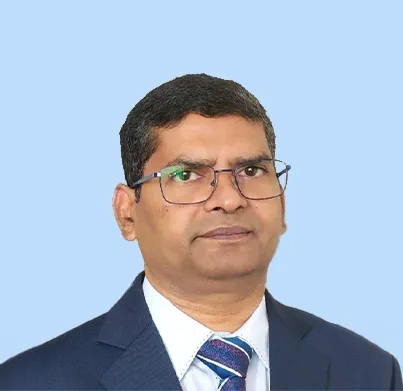
Consult with the most experienced doctors
Experience premium care from leading specialists





Cost estimation
Learn about the expenses involved in the procedure and what factors affect them.

The cost of blood cancer treatment in India depends on several variables, including cancer type, number of chemotherapy cycles, need for transplant, and hospital infrastructure. Major costs include specialist consultation, laboratory investigations, hospitalisation, and medications. These figures represent estimated base ranges. For patients travelling from Bangladesh, Oman, Sri Lanka, or other countries, final costs may vary due to visa requirements, country-specific registration, and additional support services. A personalised cost estimate can be provided after reviewing medical reports.
Get Cost EstimationThe average cost of Blood Cancer in India is around ₹ 44,400 to ₹ 44,400.

₹ 44,400
High Cost
₹ 80,000
Average Cost
₹ 44,400
Low Cost
The LIST of AVERAGE COST of the Blood Cancer across TOP 9 cities in India in Indian Rupee (INR) is as follows :
City
Lowest Cost
Average Cost
Highest Cost
Mumbai
₹1,77,489
₹2,20,000
₹2,64,069
Delhi
₹1,68,831
₹2,15,000
₹2,64,069
Bangalore
₹1,68,831
₹2,12,000
₹2,55,411
Chennai
₹1,73,160
₹2,11,000
₹2,48,918
Hyderabad
₹1,66,667
₹2,10,000
₹2,53,247
Pune
₹1,65,000
₹2,10,000
₹2,55,000
Kolkata
₹1,62,338
₹2,03,000
₹2,44,589
Jaipur
₹1,51,515
₹1,97,000
₹2,42,424
Ahmedabad
₹1,45,022
₹1,92,000
₹2,40,260
Commonly Asked Questions
How long does a replaced heart valve last?
Mechanical valves can last several decades but require lifelong anticoagulation. Biological (tissue) valves typically last 10–15 years before replacement may be needed.
Is TAVR better than open-heart surgery?
TAVR is less invasive and offers faster recovery, making it suitable for older or high-risk patients. Open-heart surgery may still be preferred for younger patients or complex cases.
What is the recovery time?
Hospital stay is usually 5–7 days. Full recovery takes about 6–8 weeks after open-heart surgery, while TAVR patients often recover within 2–3 weeks.
Can I lead a normal life after valve replacement?
Yes. Most patients experience significant improvement in breathing and energy levels. With proper medication and regular follow-up, many people return to normal daily activities.
Do I need to take blood thinners forever?
Mechanical valves require lifelong anticoagulants (such as Warfarin). Tissue valves usually require blood thinners only for a short period after surgery



"I had a successful surgery at Fortis Escorts Hospital, and it was all thanks to Karetrip's help in finding the right hospital for me. The entire process was smooth and stress-free, with Karetrip handling all the arrangements and answering any questions I had. The medical team at the hospital was outstanding, and the facilities were top-notch. I highly recommend Karetrip to anyone looking for a tension-free healthcare experience."
Read MoreFatima
Chattogram

"Thanks to Karetrip, I got connected with MAX Hospital in New Delhi. The team guided me through every step - from finding the right doctor to handling travel and visas. They made a daunting process feel like a breeze. The care I received at MAX Hospital was outstanding, and I can't thank Karetrip enough for making it possible. They truly put patients first and go the extra mile to ensure a smooth healthcare journey. I'm grateful beyond words!"
Read MoreHasan
Dhaka

"At first, I was unsure about having a medical procedure done in a foreign country. However, Karetrip's team at Indraprastha Apollo Hospital made me feel much better. The hospital was very clean, modern, and had everything they needed to help me. The staff were very kind and did everything they could to make me feel comfortable. I'm really happy with how my treatment turned out, and I appreciate Karetrip for making it easy and stress-free."
Read MoreImran
Sylhet
 Google Reviews4.9/5


I had a successful surgery at Fortis Escorts Hospital, and it was all thanks to Karetrip's help in finding the right hospital for me. The entire process was smooth and stress-free, with Karetrip handling all the arrangements and answering any questions I had. The medical team at the hospital was outstanding, and the facilities were top-notch. I highly recommend Karetrip to anyone looking for a tension-free healthcare experience.
Fatima
Chattogram
Google Reviews4.9/5