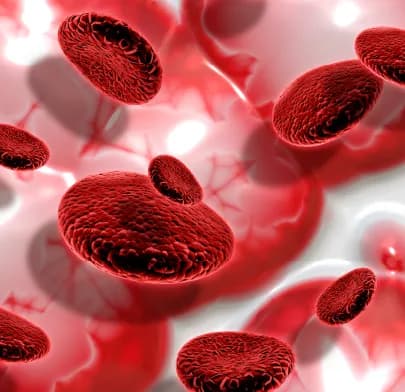
Leukemia
Leukemia affects the blood and bone marrow leading to overproduction of white blood cells. These abnormal white blood cells crowd out healthy blood cells that affect the human body’s inability to fight infection and carry oxygen. It varies in presentation, progression and kind of blood cells affected.
 Free Pick up and Drop
No Cost EMI
Post Surgery Care
Leukemia affects the blood and bone marrow leading to overproduction of white blood cells. These abnormal white blood cells crowd out healthy blood cells that affect the human body’s inability to fight infection and carry oxygen. It varies in presentation, progression and kind of blood cells affected.
Symptoms Of Leukemia
Symptoms
 Fatigue
 Fever or night sweats
 Frequent infections
 Unexplained weight loss
 Bone/joint pain or tenderness
 Pain under ribs
  Swollen lymph nodes
  Bruising and bleeding easily
Types of conditions
There are 4 main types of Leukemia
Acute lymphocytic leukemia (ALL)
Acute myelogenous leukemia (AML)
Chronic lymphocytic leukemia (CLL)
Chronic myelogenous leukemia (CML)
Acute lymphocytic leukemia (ALL)
Acute lymphocytic leukemia (ALL) is the most common type of leukemia in children, teens and young adults up to age 39. ALL can affect adults of any age.
Treatment Options
Treatments for leukemia depend on the type of leukemia you have, your age and overall health, and if the leukemia has spread to other organs or tissues.
Common treatments often include a combination of the following:
-
Chemotherapy: Chemotherapy is the most common form of leukemia treatment. It involves using chemicals to kill leukemia cells or keep them from multiplying.
-
Immunotherapy (biologic therapy): This treatment uses certain drugs to boost your body’s defense system — your immune system — to fight leukemia.
-
Targeted therapy: This treatment uses drugs designed to attack specific parts of a leukemia cell (like a protein or gene) that are causing them to overtake normal blood cells.
-
Radiation therapy: This treatment uses strong energy beams or X-rays to kill leukemia cells or stop them from growing.
-
Hematopoietic cell transplant (stem cell or bone marrow transplant): This treatment replaces the cancerous blood-forming cells killed by chemotherapy and/or radiation therapy with new, healthy hematopoietic cells.
-
Chimeric antigen receptor (CAR) T-cell therapy: This is a novel type of therapy that takes your body’s infection-fighting T-cells (T-cell or T-lymphocyte is a type of immune cell), engineers them to fight leukemia cells and infuse them back into your body.
-
Clinical Trials: Clinical trials for new treatments in leukemia are ongoing research studies that evaluate the safety and efficacy of innovative therapies. These trials may involve novel drugs, immunotherapies, targeted therapies, or stem cell transplant approaches. Participation in clinical trials offers patients access to cutting-edge treatments and contributes to advancing medical knowledge in the fight against leukemia.
-
Supportive care: Supportive care in leukemia focuses on managing symptoms, preventing complications, and improving quality of life. It includes measures such as blood transfusions to address anemia, antibiotics to prevent infections, medications to manage pain and nausea, and counseling or psychological support for patients and their families.
Diagnosis
Diagnostic exams and tests may include:
- Physical exam
- Complete blood count (CBC)
- Blood cell examination
- Bone marrow biopsy
- Imaging and other tests
- Lumbar puncture (spinal tap)
Risk Factors
Factors that may increase your risk of developing some types of leukemia include:
-
Previous cancer treatment: People who've had certain types of chemotherapy and radiation therapy for other cancers have an increased risk of developing certain types of leukemia.
-
Genetic disorders: Genetic abnormalities seem to play a role in the development of leukemia. Certain genetic disorders, such as Down syndrome, are associated with an increased risk of leukemia.
-
Exposure to certain chemicals: Exposure to certain chemicals, such as benzene — which is found in gasoline and is used by the chemical industry — is linked to an increased risk of some kinds of leukemia.
-
Smoking: Smoking cigarettes increases the risk of acute myelogenous leukemia.
-
Family history of leukemia: If members of your family have been diagnosed with leukemia, your risk of the disease may be increased.
Preparing for Surgery
There’s no way to predict how your individual experience with leukemia treatment will play out. Therefore, some advance preparation can provide you with peace of mind in knowing that you’ll be ready for any treatment side effects that might sneak up on you.
- Create a list of tasks that you perform on a daily basis.
- Adopt some healthy eating strategies
- Reduce your risk of infection by minimizing your exposure to germs.
- Talk with your oncologist about your pre-treatment testing requirements
- Take some time to rest
Recovery
Recovery for leukemia treatments can last for months.
- Follow-Up Care
- Rehabilitation
- Psychological and Social Support
Your journey to good health begins here

Accredited Hospitals
Nationally accredited hospitals for high-quality care

Multi-language Support
Convey your needs in the language you're most comfortable in

Travel Booking Assistance
Seamless booking assistance for your healthcare journey

Personalised Treatment Plans
A treatment journey tailored to all your preferences and needs

Unparalleled Hospitality
Experience exceptional hospitality during your stay

Easy Medical Visa Approvals
Dedicated assistance for medical visa requirements

Your Medical Assistant
Get instant help planning your treatment journey
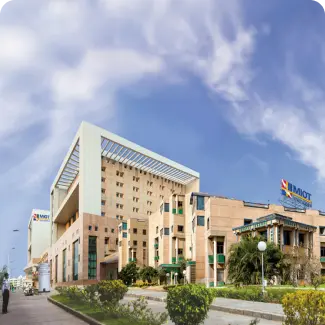
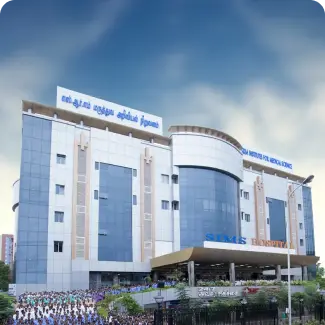
The best hospitals are partnered with Karetrip
Access world-class facilities from top hospitals




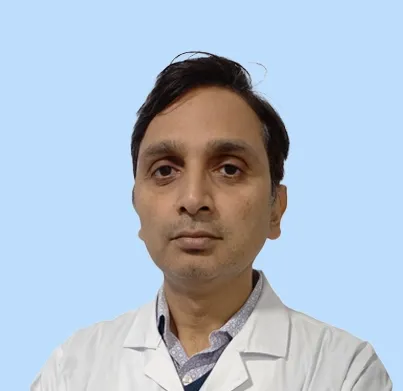
Consult with the most experienced doctors
Experience premium care from leading specialists




Cost estimation
Learn about the expenses involved in the procedure and what factors affect them.

The cost of leukemia treatment in India can vary widely depending on factors such as the type and stage of leukemia, the hospital or healthcare facility chosen, the specific treatment regimen prescribed by the doctor, and any additional medical complications. Generally, leukemia treatment may include chemotherapy, radiation therapy, stem cell transplantation, targeted therapy, and supportive care.
-
The minimum price for Blood Cancer Treatment in India starts from INR ₹ 38,000
-
The average cost of Blood Cancer Treatment in India is INR ₹ 10,94,000
-
The maximum charge for Blood Cancer Treatment in India is up to INR ₹ 22,00,000
The average cost of Leukemia in India is around ₹ 38,000 to ₹ 22,00,000.

₹ 22,00,000
High Cost
₹ 10,94,000
Average Cost
₹ 38,000
Low Cost
The LIST of AVERAGE COST of the Leukemia across TOP 7 cities in India in Indian Rupee (INR) is as follows :
City
Lowest Cost
Average Cost
Highest Cost
Mumbai
₹7,04,000
₹8,50,000
₹10,00,000
Kolkata
₹6,90,000
₹8,50,000
₹10,10,000
Chennai
₹6,88,000
₹8,40,000
₹9,99,000
Gurgaon
₹6,87,000
₹8,55,000
₹10,30,000
New Delhi
₹6,70,000
₹8,60,000
₹10,51,000
Noida
₹6,44,000
₹8,50,000
₹10,70,000
Bangalore
₹1,79,000*
₹2,25,000
₹2,73,000
Commonly Asked Questions
What is leukemia surgery, and when is it necessary?
Leukemia surgery typically refers to procedures such as bone marrow biopsy or aspiration, lymph node biopsy, or spleen removal. It's necessary for diagnosing leukemia, assessing its progression, or managing complications like an enlarged spleen.
How long does leukemia surgery take, and what is the recovery time?
The duration of leukemia surgery varies depending on the specific procedure and individual factors. A bone marrow biopsy, for example, may take about 30 minutes. Recovery times can range from a few hours to several days, depending on the invasiveness of the surgery and the patient's overall health.
Will I need additional treatments after leukemia surgery?
Depending on the stage and type of leukemia, surgery may be part of a comprehensive treatment plan that includes chemotherapy, radiation therapy, targeted therapy, or stem cell transplantation. Your oncologist will discuss the need for additional treatments based on your specific situation.
What are the risks associated with leukemia surgery?
Risks of leukemia surgery include bleeding, infection, pain, and damage to surrounding tissues or organs. Specific risks depend on the type of surgery performed and the patient's medical condition.
What can I expect during the recovery period after leukemia surgery?
Recovery from leukemia surgery may involve pain management, monitoring for complications such as infection or bleeding, and gradually returning to normal activities. Follow-up appointments with your healthcare team will be essential for monitoring your progress and adjusting your treatment plan as needed._



"I had a successful surgery at Fortis Escorts Hospital, and it was all thanks to Karetrip's help in finding the right hospital for me. The entire process was smooth and stress-free, with Karetrip handling all the arrangements and answering any questions I had. The medical team at the hospital was outstanding, and the facilities were top-notch. I highly recommend Karetrip to anyone looking for a tension-free healthcare experience."
Read MoreFatima
Chattogram

"Thanks to Karetrip, I got connected with MAX Hospital in New Delhi. The team guided me through every step - from finding the right doctor to handling travel and visas. They made a daunting process feel like a breeze. The care I received at MAX Hospital was outstanding, and I can't thank Karetrip enough for making it possible. They truly put patients first and go the extra mile to ensure a smooth healthcare journey. I'm grateful beyond words!"
Read MoreHasan
Dhaka

"At first, I was unsure about having a medical procedure done in a foreign country. However, Karetrip's team at Indraprastha Apollo Hospital made me feel much better. The hospital was very clean, modern, and had everything they needed to help me. The staff were very kind and did everything they could to make me feel comfortable. I'm really happy with how my treatment turned out, and I appreciate Karetrip for making it easy and stress-free."
Read MoreImran
Sylhet
 Google Reviews4.9/5


I had a successful surgery at Fortis Escorts Hospital, and it was all thanks to Karetrip's help in finding the right hospital for me. The entire process was smooth and stress-free, with Karetrip handling all the arrangements and answering any questions I had. The medical team at the hospital was outstanding, and the facilities were top-notch. I highly recommend Karetrip to anyone looking for a tension-free healthcare experience.
Fatima
Chattogram
Google Reviews4.9/5