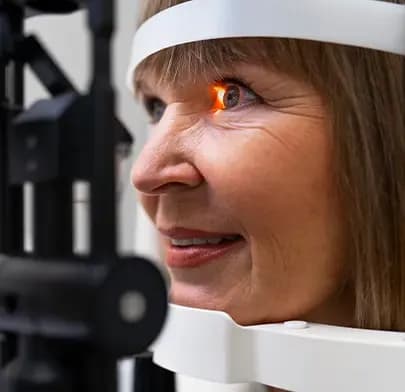
Cornea Transplant
Cornea transplant, also known as keratoplasty, involves replacing damaged or diseased corneal tissue with healthy donor tissue. This procedure is typically performed to restore vision in individuals with conditions such as corneal scarring, keratoconus, or corneal swelling. The surgery aims to improve vision clarity and overall eye health, often resulting in significant visual improvement for the recipient.
 Free Pick up and Drop
No Cost EMI
Post Surgery Care
Cornea transplant, also known as keratoplasty, involves replacing damaged or diseased corneal tissue with healthy donor tissue. This procedure is typically performed to restore vision in individuals with conditions such as corneal scarring, keratoconus, or corneal swelling. The surgery aims to improve vision clarity and overall eye health, often resulting in significant visual improvement for the recipient.
Symptoms Of Cornea Transplant
Symptoms
 Blurred VisionEye PainSensitivity to Light (Photophobia)Excessive TearingRedness
Types of conditions
There are 5 main types of Cornea Transplant
Eyedrops
Glasses or Contact Lenses
Corneal Cross-Linking
Cornea Transplant (Keratoplasty)
Laser Surgery (PRK or LASIK)
Eyedrops
To reduce inflammation, manage infections, or alleviate dryness
TYPES
-
Keratoconus: A progressive thinning and bulging of the cornea, leading to visual distortion.
-
Corneal Dystrophy: Genetic disorders causing abnormal deposits or thinning of the cornea.
-
Corneal Ulcers: Open sores on the cornea, often due to infection or injury.
-
Corneal Abrasions: Scratches on the cornea, typically caused by trauma or foreign objects.
-
Fuchs' Dystrophy: Degenerative condition affecting the corneal endothelium, leading to vision loss and discomfort.
DIAGNOSIS
-
Eye Examination: Visual acuity testing, slit-lamp examination, and evaluation of the cornea's shape and clarity.
-
Corneal Topography: Mapping the surface of the cornea to detect irregularities or abnormalities in its shape.
-
Corneal Pachymetry: Measuring the thickness of the cornea, which can be crucial for conditions like keratoconus or glaucoma.
-
Specular Microscopy: Assessing the health of the corneal endothelium, which helps determine conditions like Fuchs' dystrophy.
-
Intraocular Pressure Measurement: Checking for elevated pressure within the eye, which could indicate conditions like glaucoma or corneal edema.
-
Lab Tests: Cultures or scrapings may be taken to identify infectious agents in cases of corneal ulcers or keratitis.
CAUSES/ RISK FACTORS
-
Trauma: Injuries to the eye, such as scratches or burns, can damage the cornea.
-
Infections: Bacterial, viral, or fungal infections, often due to poor hygiene or contact lens misuse, can affect the cornea.
-
Genetics: Certain genetic conditions predispose individuals to corneal abnormalities or dystrophies.
-
UV Exposure: Prolonged exposure to ultraviolet radiation, especially without protection, can increase the risk of conditions like pterygium or photokeratitis.
-
Dry Eye Syndrome: Insufficient tear production or poor tear quality can lead to corneal irritation and damage.
-
Contact Lens Wear: Improper use, such as extended wear or inadequate cleaning, can increase the risk of corneal infections or abrasions.
PREPARING FOR SURGERY
Certainly:
-
Medical Evaluation: Your ophthalmologist will conduct a thorough eye examination to assess your eye health and determine if you're a suitable candidate for surgery.
-
Discussion of Risks and Benefits: Your doctor will explain the potential risks and benefits of the procedure, as well as discuss alternative treatment options.
-
Medical History Review: Provide your complete medical history, including any medications you're taking, allergies, and previous eye surgeries.
-
Pre-operative Instructions: Your doctor will give you specific instructions to follow before the surgery, such as discontinuing certain medications or fasting for a specified period.
-
Arranging Transportation: Since you'll likely be unable to drive after surgery, arrange for someone to drive you to and from the surgical center or hospital.
-
Post-operative Care Planning: Discuss post-operative care instructions with your doctor, including medications, follow-up appointments, and any restrictions on activities.
-
Emotional Preparation: Surgery can be emotionally taxing, so it's essential to prepare mentally and seek support from friends, family, or counselors if needed.
TREATMENT DETAILS
Types
Cornea transplant surgery, also known as keratoplasty, is the primary treatment for many corneal conditions. Other treatments include corneal cross-linking for keratoconus, medication for infections or inflammation, and corrective lenses for refractive errors. The specific treatment depends on the underlying condition and its severity.
RECOVERY
Certainly:
Recovery from cornea transplant surgery typically involves several stages:
-
Immediate Post-operative Period: You'll likely spend some time in a recovery area immediately after surgery for monitoring. Your eye may be patched or shielded to protect it.
-
Initial Healing: During the first few days to weeks, you may experience discomfort, light sensitivity, and blurred vision. Follow your doctor's instructions regarding eye drops, medications, and activity restrictions.
-
Stabilization: Over the following months, your vision may gradually improve as the transplanted cornea heals and stabilizes. However, full visual recovery can take several months to a year.
-
Follow-up Visits: Attend all scheduled follow-up appointments with your ophthalmologist to monitor your progress and address any concerns. Your doctor will assess the health of the transplanted cornea and adjust your treatment plan as needed.
-
Long-term Care: Even after successful recovery, you may need to continue using eye drops or medications to prevent rejection or manage other complications. Regular eye exams are essential for monitoring your eye health in the long term.
-
Lifestyle Adjustments: Depending on your specific situation, your doctor may recommend certain lifestyle adjustments, such as avoiding activities that could increase the risk of injury to the eye or wearing protective eyewear.
-
Patience and Support: Recovery from cornea transplant surgery can be a gradual process, requiring patience and support from friends, family, and healthcare professionals. Be diligent in following your doctor's instructions and reach out if you have any concerns or questions during your recovery journey.
Your journey to good health begins here

Accredited Hospitals
Nationally accredited hospitals for high-quality care

Multi-language Support
Convey your needs in the language you're most comfortable in

Travel Booking Assistance
Seamless booking assistance for your healthcare journey

Personalised Treatment Plans
A treatment journey tailored to all your preferences and needs

Unparalleled Hospitality
Experience exceptional hospitality during your stay

Easy Medical Visa Approvals
Dedicated assistance for medical visa requirements

Your Medical Assistant
Get instant help planning your treatment journey
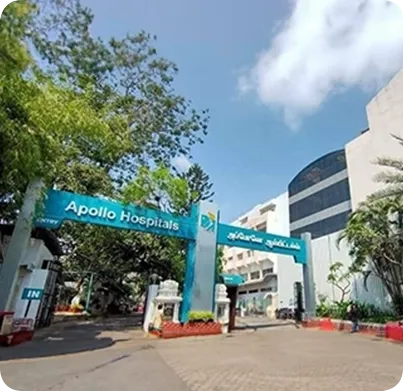
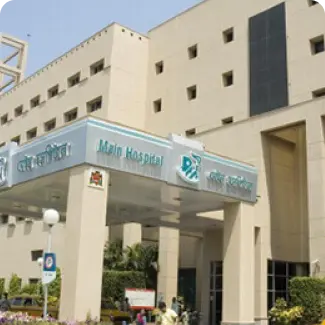
The best hospitals are partnered with Karetrip
Access world-class facilities from top hospitals








Consult with the most experienced doctors
Experience premium care from leading specialists






Cost estimation
Learn about the expenses involved in the procedure and what factors affect them.

Estimating the cost of surgery involves several factors, including the type of procedure, hospital fees, surgeon's charges, and additional expenses such as anesthesia and post-operative care. Costs can vary widely based on location and the complexity of the surgery. It's essential to consult with healthcare providers, discuss insurance coverage, and inquire about potential out-of-pocket expenses to ensure a comprehensive understanding of the financial aspects associated with the surgical procedure.
Get Cost EstimationThe average cost of Cornea Transplant in India is around ₹20,000 to ₹75,000.

₹75,000
High Cost
₹47,500
Average Cost
₹20,000
Low Cost
The LIST of AVERAGE COST of the Cornea Transplant across TOP 6 cities in India in Indian Rupee (INR) is as follows :
City
Lowest Cost
Average Cost
Highest Cost
Delhi
₹ 25,000
₹ 52500
₹ 80,000
Mumbai
₹ 30,000
₹ 60000
₹ 90,000
Bangalore
₹ 35,000
₹ 67500
₹ 100,000
Chennai
₹ 30,000
₹ 57500
₹ 85,000
Kolkata
₹ 20,000
₹ 47500
₹ 75,000
Kolkata
₹ 20,000
₹ 47500
₹ 75,000
Commonly Asked Questions
How long does it take to recover from cornea transplant surgery?
Full recovery can take several months to a year, with initial healing occurring over the first few weeks.
Will I experience discomfort after surgery?
Some discomfort, light sensitivity, and blurred vision are common during the initial healing period.
When can I resume normal activities after surgery?
Your doctor will advise you on when it's safe to resume activities like driving, exercising, or working.
Are there any risks or complications associated with cornea transplant surgery?
Risks include infection, rejection, and astigmatism, but these are relatively rare and can often be managed with prompt medical attention.
How often will I need to visit my doctor after surgery?
You'll likely have several follow-up appointments in the first few months to monitor your progress and ensure proper healing.
Can the transplanted cornea be rejected by my body?
While rejection is possible, it's relatively uncommon, especially with modern surgical techniques and medications. Regular follow-ups help detect and manage any signs of rejection early.



"I had a successful surgery at Fortis Escorts Hospital, and it was all thanks to Karetrip's help in finding the right hospital for me. The entire process was smooth and stress-free, with Karetrip handling all the arrangements and answering any questions I had. The medical team at the hospital was outstanding, and the facilities were top-notch. I highly recommend Karetrip to anyone looking for a tension-free healthcare experience."
Read MoreFatima
Chattogram

"Thanks to Karetrip, I got connected with MAX Hospital in New Delhi. The team guided me through every step - from finding the right doctor to handling travel and visas. They made a daunting process feel like a breeze. The care I received at MAX Hospital was outstanding, and I can't thank Karetrip enough for making it possible. They truly put patients first and go the extra mile to ensure a smooth healthcare journey. I'm grateful beyond words!"
Read MoreHasan
Dhaka

"At first, I was unsure about having a medical procedure done in a foreign country. However, Karetrip's team at Indraprastha Apollo Hospital made me feel much better. The hospital was very clean, modern, and had everything they needed to help me. The staff were very kind and did everything they could to make me feel comfortable. I'm really happy with how my treatment turned out, and I appreciate Karetrip for making it easy and stress-free."
Read MoreImran
Sylhet
 Google Reviews4.9/5


I had a successful surgery at Fortis Escorts Hospital, and it was all thanks to Karetrip's help in finding the right hospital for me. The entire process was smooth and stress-free, with Karetrip handling all the arrangements and answering any questions I had. The medical team at the hospital was outstanding, and the facilities were top-notch. I highly recommend Karetrip to anyone looking for a tension-free healthcare experience.
Fatima
Chattogram
Google Reviews4.9/5