
Vitrectomy
Eyesight is a precious gift from God. Only if you have good eyesight, can you see clearly. Normal vision is usually affected by many factors such as debris in the eyes, any foreign substance in your eyes, suffering from any particular disease, or even a torn retina, tear in the wall of your eye muscles and infections in the eyes. If you are worrying about how to treat these types of defects, then look no further. We, through Mykare Health present before you what vitrectomy is and how you can recover from an infected or injured eyes through proper surgical procedures.
 Free Pick up and Drop
No Cost EMI
Post Surgery Care
Eyesight is a precious gift from God. Only if you have good eyesight, can you see clearly. Normal vision is usually affected by many factors such as debris in the eyes, any foreign substance in your eyes, suffering from any particular disease, or even a torn retina, tear in the wall of your eye muscles and infections in the eyes. If you are worrying about how to treat these types of defects, then look no further. We, through Mykare Health present before you what vitrectomy is and how you can recover from an infected or injured eyes through proper surgical procedures.
Symptoms Of Vitrectomy
Symptoms
Types of conditions
There are 0 main types of Vitrectomy
VITRECTOMY MEANING
It’s a type of eye surgery to treat problems of your eye’s retina and vitreous. Your eye surgeon or an ophthalmologist may recommend this surgery if you have,:
-
Blood or substance prevents the light focusing on the retina. In such cases, the surgeon will remove the blood or substance affecting the retina.
-
A scar tissue that’s wrinkling or tearing the retina causing poor vision. He/she may remove this tissue for a clearer vision.
-
He/she helps repair a retina that has pulled away from the eye wall or detached.
-
Removes any foreign object stuck inside the eye from an injury.
Depending on the severity of your affected eyes, the surgeon removes some or all of the vitreous from the middle of your eye. This vitreous is then replaced with either a saline water solution or a bubble made of gas or oil.
During healing after surgery, the eyes replace the saline water solution or the bubble with natural fluid called aqueous humor, the eyes make,
CAUSES OF VITRECTOMY
There may be numerous causes affecting your eyes. Besides, some of the more prominent causes for which the Vitrectomy is performed are,
- Diabetic retinopathy with bleeding, or scar tissue affecting the retina or the vitreous gel.
- Some forms of retinal detachment or pull away from the eye walls.
- Macular hole (a tear or hole in the macula).
- Macular pucker (a tear/hole in the macula).
- Infection in the eyes.
- A severe eye injury.
- Certain problems during cataract surgery.
SURGERY PROCEDURE
This surgery is an outpatient surgery. You’ll be given a local or a general anesthesia to numb the eyes. The surgery may take from one to several hours.
While performing the surgery, the eye surgeon will make an incision or a small cut using special blades to insert the instruments into the white of the eyes (sclera). Next, they use a microscope to see the inside of your eye.
Later, the surgeon will use small tools to:
-
Remove all cloudy vitreous
-
Remove scar tissue from the retina
-
Remove any object that should not be in the eye
-
Return the retina to its remaining position against the back of the eye
-
Use a laser to repair a torn retina or other procedure
-
Place an air or gas bubble to maintain the remaining position against the back of the eye
-
Place a silicone bubble in your eye (oil removed later during second surgery).
After the surgery, you’ll be closely monitored as you rest and recover from the local anesthesia. After which you can go home.
TYPES OF VITRECTOMY
- Anterior Vitrectomy:
In some exceptional cases, the vitreous gel may come through the pupil into the front (anterior) chamber of your eye. The chamber contains your iris and lens.
This can happen due to:
-
Eye trauma/injuries
-
During complex surgeries like cataract, cornea or glaucoma
-
An outcome of lens problems.
-
Posterior Vitrectomy:
The surgery treats conditions that affect the back (posterior) part of your eye. It contains your retina, retinal pigment epithelium, choroid and sclera. Besides, it also contains the vitreous cavity that holds the vitreous.
RECOVERY
Once the surgery is over, you may be asked to take rest for speedy recovery. You may be asked not to drive, fly an airplane, go to the mountains, no scuba dives until the gas bubble is gone.
PRECAUTIONS NEEDED
You would be prescribed medicines by your eye surgeon for relief from pain and discomforts in your eyes. Pain is very rare after the surgery. However, you could feel a sandy or gritty sensation which is quite common after the surgery.
Initially, everything will seem dark. But gradually you’ll be able to see everything. Eye surgeons would recommend a patch to protect the eyes for a few days.
RISKS INVOLVED
The surgery is quite similar to other surgeries where there would be:
- Infection
- Bleeding
- Torn or detached retina
- Poor vision
- Glaucoma when the pressure builds up in your eyes.
- Cataract after the surgery.
Your journey to good health begins here

Accredited Hospitals
Nationally accredited hospitals for high-quality care

Multi-language Support
Convey your needs in the language you're most comfortable in

Travel Booking Assistance
Seamless booking assistance for your healthcare journey

Personalised Treatment Plans
A treatment journey tailored to all your preferences and needs

Unparalleled Hospitality
Experience exceptional hospitality during your stay

Easy Medical Visa Approvals
Dedicated assistance for medical visa requirements

Your Medical Assistant
Get instant help planning your treatment journey
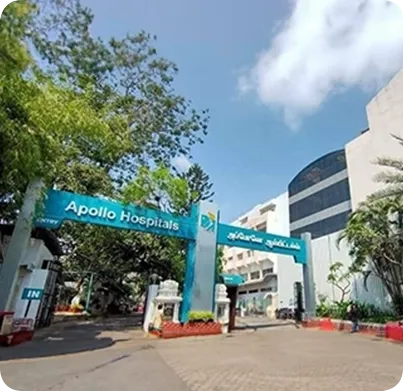
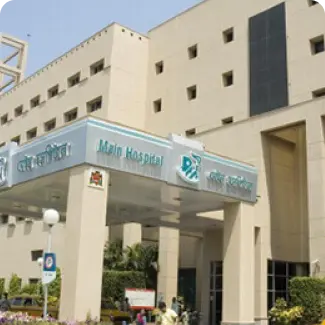
The best hospitals are partnered with Karetrip
Access world-class facilities from top hospitals








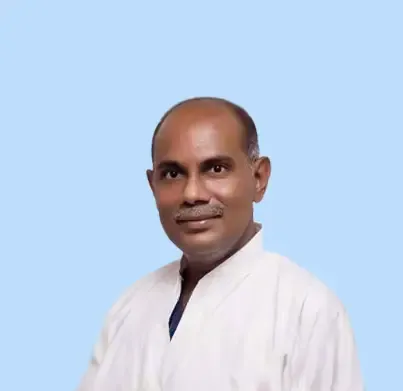
Consult with the most experienced doctors
Experience premium care from leading specialists





Cost estimation
Learn about the expenses involved in the procedure and what factors affect them.

Estimating the cost of surgery involves several factors, including the type of procedure, hospital fees, surgeon's charges, and additional expenses such as anesthesia and post-operative care. Costs can vary widely based on location and the complexity of the surgery. It's essential to consult with healthcare providers, discuss insurance coverage, and inquire about potential out-of-pocket expenses to ensure a comprehensive understanding of the financial aspects associated with the surgical procedure.
Get Cost EstimationThe average cost of Vitrectomy in India is around ₹91,300 to ₹ 1,00,000.

₹ 1,00,000
High Cost
₹95,650
Average Cost
₹91,300
Low Cost
The LIST of AVERAGE COST of the Vitrectomy across TOP 6 cities in India in Indian Rupee (INR) is as follows :
City
Lowest Cost
Average Cost
Highest Cost
New Delhi
Rs. 91,300/-
Bengaluru
Rs.1,00,000/-
Chennai
Rs.1,60,000/-
Mumbai
Rs.1,00,000/-
Hyderabad
Rs.1,60,000/-
Visakhapatnam
Rs.1,60,000/-
Commonly Asked Questions
What is Vitrectomy?
It’s a type of eye surgery to treat problems with your eye’s retina and vitreous. Your eye surgeon or an ophthalmologist may recommend this surgery if you have:
What are the different types of Vitrectomy?
Anterior Vitrectomy and Posterior Vitrectomy are the different types of Vitrectomy.
What precautions do I need to take before the Surgery?
Mention all medicines you take before the surgery to your eye surgeon. You would be prescribed medicines by your eye surgeon for relief from pain and discomfort in your eyes. Pain is very rare after the surgery.
What’s the Recovery time after the eye surgery?
Once the surgery is over, you may be asked to take rest for speedy recovery. You may be asked not to drive, fly an airplane, go to the mountains, no scuba dives until the gas bubble is gone.
When do I need to consult an eye surgeon for the Vitrectomy?
- Diabetic retinopathy with bleeding
- Some forms of retinal detachment.
- Macular hole
- Macular pucker
- Infection in the eyes.
- A severe eye injury.
- Problems during cataract surgery.



"I had a successful surgery at Fortis Escorts Hospital, and it was all thanks to Karetrip's help in finding the right hospital for me. The entire process was smooth and stress-free, with Karetrip handling all the arrangements and answering any questions I had. The medical team at the hospital was outstanding, and the facilities were top-notch. I highly recommend Karetrip to anyone looking for a tension-free healthcare experience."
Read MoreFatima
Chattogram

"Thanks to Karetrip, I got connected with MAX Hospital in New Delhi. The team guided me through every step - from finding the right doctor to handling travel and visas. They made a daunting process feel like a breeze. The care I received at MAX Hospital was outstanding, and I can't thank Karetrip enough for making it possible. They truly put patients first and go the extra mile to ensure a smooth healthcare journey. I'm grateful beyond words!"
Read MoreHasan
Dhaka

"At first, I was unsure about having a medical procedure done in a foreign country. However, Karetrip's team at Indraprastha Apollo Hospital made me feel much better. The hospital was very clean, modern, and had everything they needed to help me. The staff were very kind and did everything they could to make me feel comfortable. I'm really happy with how my treatment turned out, and I appreciate Karetrip for making it easy and stress-free."
Read MoreImran
Sylhet
 Google Reviews4.9/5


I had a successful surgery at Fortis Escorts Hospital, and it was all thanks to Karetrip's help in finding the right hospital for me. The entire process was smooth and stress-free, with Karetrip handling all the arrangements and answering any questions I had. The medical team at the hospital was outstanding, and the facilities were top-notch. I highly recommend Karetrip to anyone looking for a tension-free healthcare experience.
Fatima
Chattogram
Google Reviews4.9/5