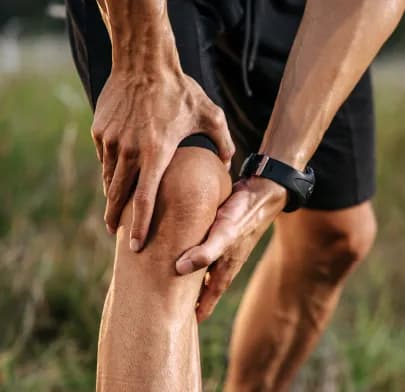
Arthroscopy
Arthroscopy is a surgical procedure doctors use to look at, diagnose, and treat problems inside a joint. A surgeon inserts a narrow tube attached to a fiber-optic video camera through a small incision - about the size of a buttonhole. The view inside your joint is transmitted to a high-definition video monitor.
 Free Pick up and Drop
No Cost EMI
Post Surgery Care
Arthroscopy is a surgical procedure doctors use to look at, diagnose, and treat problems inside a joint. A surgeon inserts a narrow tube attached to a fiber-optic video camera through a small incision - about the size of a buttonhole. The view inside your joint is transmitted to a high-definition video monitor.
Symptoms Of Arthroscopy
Symptoms
 Sharp pain while moving
 Limited range of motion
 Swelling around the joint
 Feeling of instability
Types of conditions
There are 5 main types of Arthroscopy
Knee Arthroscopy
Shoulder Arthroscopy
Hip Arthroscopy
Ankle Arthroscopy
Elbow Arthroscopy
Knee Arthroscopy
This is the most common type of arthroscopy. It involves inserting a small camera, called an arthroscope, into the knee joint through a small incision. Surgeons can then examine and repair various knee problems such as torn cartilage (meniscus), ligament tears (like ACL or PCL), or damaged joint surfaces.
Symptoms of Joint Damage
- Knee Joint: Pain, instability, swelling, limited range of motion, and specific injuries like ACL tears or meniscal tears.
- Shoulder Joint: Pain, instability, limited range of motion, symptoms of injuries such as rotator cuff tears or shoulder impingement, and stiffness or frozen shoulder.
- Ankle and Foot Joints: Pain, swelling, stiffness, instability, and symptoms of arthritis affecting the ankle or foot.
- Wrist Joint: Pain, symptoms of carpal tunnel syndrome, presence of ganglion cysts, symptoms of wrist arthritis, and difficulty with wrist movement.
- General Symptoms: These can include tenderness, difficulty bearing weight, weakness, and numbness or tingling sensations, depending on the joint affected.
Diagnosis
1.Physical examination: During the physical exam, doctors check joints of patients for swelling, redness and warmth. They'll also want to see how well the patient can move their joints.
2.Laboratory tests: The analysis of different types of body fluids can help pinpoint the type of arthritis a person may have. Fluids commonly analyzed include blood, urine and joint fluid. To obtain a sample of joint fluid, doctors cleanse and numb the area before inserting a needle in the joint space to withdraw some fluid.
3.Imaging: These types of tests can detect problems within the joint that may be causing the symptoms. These include -
- X Ray
- CT Scan
- MRI
- Ultrasound
Risk Factors
Arthroscopy is a very safe procedure and complications are uncommon. Problems may include:
- Tissue or nerve damage: The placement and movement of the instruments within the joint can damage the joint's structures.
- Infection: Any type of invasive surgery carries a risk of infection.
- Blood clots: Rarely, procedures that last longer than an hour can increase the risk of blood clots developing in your legs or lungs.
Alternate Treatment Options For Joint Damage
- Medication: Different medications can be used based on different types of arthritis. Certain medications that can be used include NSAIDs like ibuprofen for relieving pain and inflammation, steroids like Prednisone to reduce inflammation and slow down joint damage and DMARDs like methotrexate to slow progression of rheumatoid arthritis.
- Therapy: Physical therapy can be helpful for some types of arthritis. Exercises can improve range of motion and strengthen the muscles surrounding joints. In some cases, splints or braces may be warranted.
- Surgery: If conservative measures don't help, doctors may suggest surgery, such as joint replacement surgery, arthroscopy and joint repair etc.
Preparing for Surgery
Exact preparations depend on which of your joints the surgeon is examining or repairing. In general, you should:
- Avoid certain medications: Your doctor may want you to avoid taking medications or dietary supplements that can increase your risk of bleeding.
- Fast beforehand: Depending on the type of anesthesia you'll have, your doctor may want you to avoid eating solid foods eight hours before your procedure.
- Arrange for a ride: You won't be allowed to drive yourself home after the procedure, so make sure someone will be available to pick you up.
- Choose loose clothing: Wear loose, comfortable clothing — baggy gym shorts, for example, if you're having knee arthroscopy — so you can dress easily after the procedure.
Procedure Details
- The doctor will ask the patient to remove their clothes and jewelry and wear hospital shorts or gowns.
- Afterward, the nurse will place an intravenous catheter in their forearm or hand and inject them with mild anesthesia either general or local anesthetic.
- The patient will be placed in the best position as per the procedure they are having.
- The limb being worked on will be placed in a positioning device, and a tourniquet might be used to decrease blood loss and enhance visibility inside the joint.
- Another technique to improve the view inside the joint involves filling the joint with a sterile fluid which expands the area around the joint.
- One small incision is made for the viewing device and Additional small incisions at different points around the joint allow the surgeon to insert surgical tools to grasp, cut, grind and provide suction as needed for joint repair.
- Incisions will be small enough to be closed with one or two stitches, or with narrow strips of sterile adhesive tape.
Recovery
Arthroscopic surgery usually doesn't take long. For example, an arthroscopy of the knee takes about an hour. After that, the patient will be taken to a separate room to recover for a few hours before going home. Aftercare may include:
- Medications: Doctors may prescribe medication to relieve pain and inflammation.
- R.I.C.E.: It is helpful to rest, ice, compress and elevate the joint for several days to reduce swelling and pain.
- Protection: Patients might need to use temporary splints — slings or crutches for comfort and protection.
- Exercise: The doctor might prescribe physical therapy and rehabilitation to help strengthen muscles and improve the function of joints.
Your journey to good health begins here

Accredited Hospitals
Nationally accredited hospitals for high-quality care

Multi-language Support
Convey your needs in the language you're most comfortable in

Travel Booking Assistance
Seamless booking assistance for your healthcare journey

Personalised Treatment Plans
A treatment journey tailored to all your preferences and needs

Unparalleled Hospitality
Experience exceptional hospitality during your stay

Easy Medical Visa Approvals
Dedicated assistance for medical visa requirements

Your Medical Assistant
Get instant help planning your treatment journey
The best hospitals are partnered with Karetrip
Access world-class facilities from top hospitals








Consult with the most experienced doctors
Experience premium care from leading specialists





Cost estimation
Learn about the expenses involved in the procedure and what factors affect them.

The cost of arthroscopy surgery ranges from ₹ 45,000 to ₹ 2,00,000 with average cost being ₹ 1,30,000 depending on a variety of factors such as:
- The joint being operated on.
- Type of surgery like knee , ankle , hip , shoulder etc.
- Severity of the surgery.
- Location of surgery.
- Hospital and facilities provided by the hospital.
The average cost of Arthroscopy in India is around ₹ 45,000 to ₹ 2,00,000.

₹ 2,00,000
High Cost
₹ 1,00,000
Average Cost
₹ 45,000
Low Cost
The LIST of AVERAGE COST of the Arthroscopy across TOP 4 cities in India in Indian Rupee (INR) is as follows :
City
Lowest Cost
Average Cost
Highest Cost
Delhi
₹ 45,000
₹ 1,00,000
₹ 2,00,000
Mumbai
₹ 45,000
₹ 1,00,000
₹ 2,00,000
Chennai
₹ 45,000
₹ 1,00,000
₹ 2,00,000
Kolkata
₹ 45,000
₹ 1,00,000
₹ 2,00,000
Commonly Asked Questions
Is Arthroscopy a major procedure?
Arthroscopy is a minor surgical procedure for diagnosing and treating problems inside a joint.
What is the recovery time of arthroscopy surgery?
The patient generally needs about 6 weeks to recover. If the doctor has repaired damaged tissue,then the recovery will take longer.
Is arthroscopic surgery risky?
Arthroscopy is a very safe procedure and complications are uncommon.
What is the success rate of arthroscopy?
Arthroscopic knee surgery is one of the most common surgeries, with over two million performed across the world. The procedure has an over 90 percent success rate.
How painful is an arthroscopy?
Following surgery, it is common for patients to experience some level of mild discomfort as they recover. In most cases, pain and discomfort are minor and can be improved with pain medication and rest.
What is the average age for arthroscopy?
The general age for arthroscopy is 45 to 65 years.



"I had a successful surgery at Fortis Escorts Hospital, and it was all thanks to Karetrip's help in finding the right hospital for me. The entire process was smooth and stress-free, with Karetrip handling all the arrangements and answering any questions I had. The medical team at the hospital was outstanding, and the facilities were top-notch. I highly recommend Karetrip to anyone looking for a tension-free healthcare experience."
Read MoreFatima
Chattogram

"Thanks to Karetrip, I got connected with MAX Hospital in New Delhi. The team guided me through every step - from finding the right doctor to handling travel and visas. They made a daunting process feel like a breeze. The care I received at MAX Hospital was outstanding, and I can't thank Karetrip enough for making it possible. They truly put patients first and go the extra mile to ensure a smooth healthcare journey. I'm grateful beyond words!"
Read MoreHasan
Dhaka

"At first, I was unsure about having a medical procedure done in a foreign country. However, Karetrip's team at Indraprastha Apollo Hospital made me feel much better. The hospital was very clean, modern, and had everything they needed to help me. The staff were very kind and did everything they could to make me feel comfortable. I'm really happy with how my treatment turned out, and I appreciate Karetrip for making it easy and stress-free."
Read MoreImran
Sylhet
 Google Reviews4.9/5


I had a successful surgery at Fortis Escorts Hospital, and it was all thanks to Karetrip's help in finding the right hospital for me. The entire process was smooth and stress-free, with Karetrip handling all the arrangements and answering any questions I had. The medical team at the hospital was outstanding, and the facilities were top-notch. I highly recommend Karetrip to anyone looking for a tension-free healthcare experience.
Fatima
Chattogram
Google Reviews4.9/5