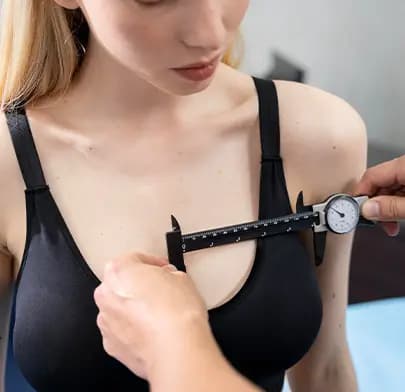
Breast Enlargement & Reduction
Breast enlargement and reduction are surgical procedures addressing breast size. They have different goals and considerations. Breast enlargement and reduction are cosmetic surgeries addressing size. Enlargement uses implants or fat transfer to increase volume, while reduction removes excess tissue for comfort (back pain, rashes). Both involve plastic surgeons and recovery time
 Easy Medical Visa Approvals
Travel Booking Assistance
Comprehensive Treatment Plans
Multi-Language Support
Breast enlargement and reduction are surgical procedures addressing breast size. They have different goals and considerations. Breast enlargement and reduction are cosmetic surgeries addressing size. Enlargement uses implants or fat transfer to increase volume, while reduction removes excess tissue for comfort (back pain, rashes). Both involve plastic surgeons and recovery time
Symptoms Of Breast Enlargement & Reduction
Symptoms
Types of conditions
There are 2 main types of Breast Enlargement & Reduction
Breast Enlargement
Breast Reduction
Breast Enlargement
- Implants: Most common option, silicone or saline filled, placed behind tissue or muscle.
- Fat Transfer: Liposuction removes fat from another area and injects it into breasts
TREATMENT OPTIONS
Breast Enlargement
-
Implants: Most common option, silicone or saline filled, placed behind tissue or muscle.
-
Fat Transfer: Liposuction removes fat from another area and injects it into breasts
Breast Reduction
- Reduction Mammoplasty: Surgery removes excess tissue, fat, and skin for smaller size and better shape.
CAUSES/RISK FACTORS
Dissatisfaction with breast size: This is the primary reason for breast enlargement surgery.
-
Changes in breast size: Pregnancy, weight loss, or breastfeeding can cause volume loss, leading some women to seek enlargement
-
Physical discomfort: Large breasts can cause back pain, neck strain, and difficulty finding well-fitting clothes.
-
Skin irritation: Underneath large breasts, sweat and moisture can lead to rashes and discomfort.
-
Postural problems: The weight of large breasts can contribute to poor posture.
PREPARING FOR SURGERY
BEFORE SURGERY (BOTH ENLARGEMENT & REDUCTION)
- Consultation
-
Choose a board-certified plastic surgeon and discuss your desired outcome, medical history, and any questions you have.
-
The surgeon will examine your breasts, take measurements, and recommend implant size/type (enlargement) or reduction approach.
- Medical Clearance
You may need blood tests, mammograms, and other tests to ensure you're healthy enough for surgery.
- Medications
Inform your doctor about all medications you take. You may need to stop certain medications (like blood thinners) before surgery.
- Smoking Cessation
Smoking can impede healing, so quitting several weeks before surgery is highly recommended.
- Lifestyle Habits
Maintain a healthy diet and regular exercise to optimize your body for surgery.
- Arrange Support
Have someone available to drive you to and from surgery and help you during initial recovery.
ADDITIONAL CONSIDERATIONS (ENLARGEMENT)
Implant Selection: Discuss implant material (silicone vs. saline), size, and placement (behind tissue or muscle) with your surgeon.
ADDITIONAL CONSIDERATIONS (REDUCTION)
-
Scarring: Discuss potential scarring with your surgeon. Different surgical techniques can affect scarring outcomes.
-
Nipple Repositioning: If nipple repositioning is part of the reduction plan, discuss the desired placement with your surgeon.
THE DAY BEFORE SURGERY (BOTH ENLARGEMENT & REDUCTION)
-
Fasting: Follow your surgeon's instructions regarding food and drink restrictions before surgery.
-
Shower/Bathing: Wash thoroughly with antibacterial soap as instructed by your surgeon.
-
Clothing: Wear loose-fitting clothing that's easy to put on and take off after surgery.
-
Medications: Take only medications pre-approved by your doctor.
TREATMENT TYPES
BREAST ENLARGEMENT
Implants: This is the most common method for breast enlargement. Silicone or saline-filled prosthetics are inserted behind the breast tissue or chest muscle to increase volume and achieve the desired size and shape.
Implant options include
-
Material: Silicone gel (feels more natural) or saline (less expensive, feels more like water).
-
Shape: Round or teardrop (contoured).
-
Surface texture: Smooth or textured (textured may reduce implant movement).
-
Placement: Submuscular (behind the chest muscle) or subfascial (behind breast tissue).
-
Fat Transfer: Liposuction removes fat from another area (abdomen, thighs) and injects it into the breasts for a more natural-looking augmentation. This procedure may be combined with implants for additional volume or to improve shape and correct asymmetry.
BREAST REDUCTION
Reduction Mammoplasty: This surgical procedure removes excess breast tissue, fat, and skin to achieve a smaller, more manageable breast size and improve overall shape. Different techniques are used based on the complexity of the reduction and desired outcome. Techniques may involve
-
Liposuction: To remove excess fat tissue.
-
Tissue Resection: Removing specific areas of breast tissue to achieve the desired size and shape.
-
Nipple Repositioning: If necessary, the nipple and areola complex may be repositioned to a higher location on the breast.
TECHNOLOGY USED
While there aren't necessarily ground breaking technologies used in breast enlargement and reduction, advancements have been made in materials, techniques, and tools that contribute to improved outcomes and patient experiences. Here's a breakdown
BREAST ENLARGEMENT TECHNOLOGY
Implant Materials
-
Silicone Gel Implants: Offer a more natural feel due to the gel's consistency resembling breast tissue. Silicone gel implants come in various shapes (round or teardrop) and surface textures (smooth or textured) to address specific needs and preferences.
-
Saline Implants: Filled with sterile saltwater solution, they are generally less expensive than silicone gel implants but may feel less natural.
3D Imaging Technology
- Some surgeons utilize 3D imaging to create a virtual model of your breasts. This allows for better implant selection and placement planning, potentially leading to a more natural-looking outcome.
BREAST REDUCTION TECHNOLOGY
Liposuction Techniques
Advanced liposuction techniques like power-assisted liposuction (PAL) can be used to remove excess fat tissue more efficiently and with minimal tissue damage. This can lead to faster recovery times and potentially smoother results.
Endoscopic Techniques
In some reduction surgeries, minimally invasive endoscopic techniques may be employed. This involves using a small camera and specialized instruments inserted through tiny incisions to perform some aspects of the procedure. This can lead to less visible scarring compared to traditional open techniques.
Computer-Aided Design (CAD) Systems
Some surgeons may utilize CAD systems to plan the reduction surgery. This allows for precise measurements and planning of tissue removal and nipple repositioning, potentially leading to a more symmetrical and aesthetically pleasing outcome.
RECOVERY
-
Both: Expect soreness, fatigue, swelling, and bruising for a few weeks. Wear a surgical bra for support and avoid strenuous activity.
-
Enlargement: Recovery is typically faster (4-6 weeks).
-
Reduction: Takes longer to heal (6-8 weeks). You may experience temporary numbness or tingling in the breasts.
-
Gradual Improvement: It can take several months for swelling to fully subside and for your breasts to reach their final appearance.
-
Listen to Your Body: Rest when needed and follow your doctor's instructions for a smooth recovery
Your journey to good health begins here

Accredited Hospitals
Nationally accredited hospitals for high-quality care

Multi-language Support
Convey your needs in the language you're most comfortable in

Travel Booking Assistance
Seamless booking assistance for your healthcare journey

Personalised Treatment Plans
A treatment journey tailored to all your preferences and needs

Unparalleled Hospitality
Experience exceptional hospitality during your stay

Easy Medical Visa Approvals
Dedicated assistance for medical visa requirements

Your Medical Assistant
Get instant help planning your treatment journey
The best hospitals are partnered with Karetrip
Access world-class facilities from top hospitals
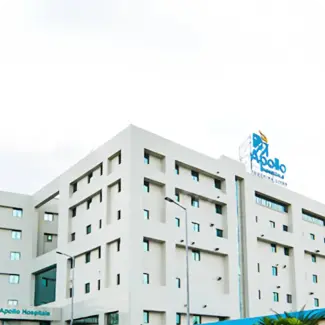
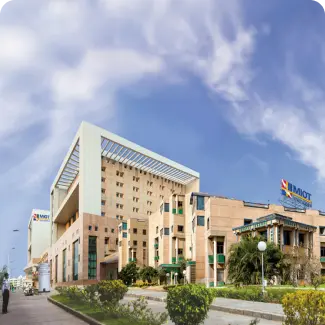



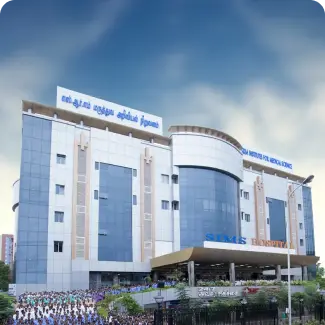




Consult with the most experienced doctors
Experience premium care from leading specialists






Cost estimation
Learn about the expenses involved in the procedure and what factors affect them.

COST ESTIMATION
Surgeon's Fees
- Experience and qualifications: More experienced and board-certified surgeons typically command higher fees.
Procedure Type
-
Enlargement: Implant type (silicone vs. saline), size, and placement (behind tissue or muscle) can influence cost. Fat transfer may have additional liposuction charges.
-
Reduction: Complexity of the surgery based on desired size reduction and nipple repositioning needs can affect cost
Facility Fees
- Operating room charges, anesthesia fees, and hospital or surgical center costs can vary depending on the facility.
Geographic Location
Costs can differ based on the surgeon's location and the overall cost of living in the area
Ancillary Costs
Pre-operative tests, medications, post-surgical garments, and follow-up appointments can add to the overall cost
Insurance Coverage
Breast enlargement is usually considered cosmetic and may not be covered by insurance. Reduction surgery might be covered if deemed medically necessary due to pain or discomfort.
Get Cost EstimationThe average cost of Breast Enlargement & Reduction in India is around ₹ 80,000 to ₹ 1,50,000.

₹ 1,50,000
High Cost
₹ 1,30,000
Average Cost
₹ 80,000
Low Cost
The LIST of AVERAGE COST of the Breast Enlargement & Reduction across TOP 4 cities in India in Indian Rupee (INR) is as follows :
City
Lowest Cost
Average Cost
Highest Cost
Mumbai
₹ 80,000
₹ 1,30,000
₹ 1,50,000
Delhi
₹ 80,000
₹1,30,000
₹ 150,000
Hyderabad
₹ 80,000
₹ 1,30,000
₹ 1,50,000
Chennai
₹ 80,000
₹ 1,30,000
₹ 1,50,000
Commonly Asked Questions
What are the main reasons for getting breast enlargement?
- Dissatisfaction with breast size
- Changes in breast size due to pregnancy, weight loss, or breastfeeding
What are implants made of for breast enlargement?
Silicone gel (more natural feel) or saline (less expensive, feels like water).
What are the different types of incisions for breast reduction?
Incisions vary based on the complexity of the surgery but can include techniques around the nipple, in the crease below the breast, or a combination of both.
Will I have scars after breast enlargement or reduction?
Yes, some degree of scarring is inevitable. Techniques minimize scarring, but discuss specific scar placement and appearance with your surgeon.
Can I breastfeed after breast enlargement?
Most implant types allow for breastfeeding, but discuss this with your surgeon beforehand.
How long is the recovery time for breast enlargement and reduction?
-
Enlargement: Typically 4-6 weeks.
-
Reduction: Takes longer to heal (6-8 weeks).
What are the risks associated with breast enlargement and reduction?
Infection, bleeding, scarring, implant complications (enlargement), and changes in nipple sensation.
Is breast enlargement or reduction covered by insurance?
-
Enlargement is usually considered cosmetic and not covered.
-
Reduction may be covered if deemed medically necessary due to pain or discomfort.
What qualifications should I look for in a surgeon for breast procedures?
Choose a board-certified plastic surgeon with extensive experience in breast augmentation and/or reduction surgery.



"I had a successful surgery at Fortis Escorts Hospital, and it was all thanks to Karetrip's help in finding the right hospital for me. The entire process was smooth and stress-free, with Karetrip handling all the arrangements and answering any questions I had. The medical team at the hospital was outstanding, and the facilities were top-notch. I highly recommend Karetrip to anyone looking for a tension-free healthcare experience."
Read MoreFatima
Chattogram

"Thanks to Karetrip, I got connected with MAX Hospital in New Delhi. The team guided me through every step - from finding the right doctor to handling travel and visas. They made a daunting process feel like a breeze. The care I received at MAX Hospital was outstanding, and I can't thank Karetrip enough for making it possible. They truly put patients first and go the extra mile to ensure a smooth healthcare journey. I'm grateful beyond words!"
Read MoreHasan
Dhaka

"At first, I was unsure about having a medical procedure done in a foreign country. However, Karetrip's team at Indraprastha Apollo Hospital made me feel much better. The hospital was very clean, modern, and had everything they needed to help me. The staff were very kind and did everything they could to make me feel comfortable. I'm really happy with how my treatment turned out, and I appreciate Karetrip for making it easy and stress-free."
Read MoreImran
Sylhet
 Google Reviews4.9/5


I had a successful surgery at Fortis Escorts Hospital, and it was all thanks to Karetrip's help in finding the right hospital for me. The entire process was smooth and stress-free, with Karetrip handling all the arrangements and answering any questions I had. The medical team at the hospital was outstanding, and the facilities were top-notch. I highly recommend Karetrip to anyone looking for a tension-free healthcare experience.
Fatima
Chattogram
Google Reviews4.9/5