
Scleroderma
Scleroderma is a chronic autoimmune disease characterized by the hardening and tightening of the skin and connective tissues. It results from an overproduction of collagen, which leads to the thickening and scarring of affected tissues. Scleroderma can also involve internal organs, leading to a range of systemic symptoms.
 Free Pick up and Drop
No Cost EMI
Post Surgery Care
Scleroderma is a chronic autoimmune disease characterized by the hardening and tightening of the skin and connective tissues. It results from an overproduction of collagen, which leads to the thickening and scarring of affected tissues. Scleroderma can also involve internal organs, leading to a range of systemic symptoms.
Symptoms of Scleroderma
Symptoms
 Skin HardeningRaynaud's PhenomenonSkin UlcersDigestive IssuesRespiratory SymptomsKidney ProblemsFatigueJoint Pain
Types of conditions
There are 0 main types of Scleroderma
CAUSES OF SCLERODERMA
- Autoimmune Response: Immune System Dysfunction: The immune system mistakenly attacks healthy tissues, causing inflammation and excessive collagen production.
- Genetics: Family History: A family history of scleroderma or other autoimmune diseases may increase the risk of developing the condition.
- Environmental Factors: Exposure to Certain Substances: Environmental triggers, such as silica dust, solvents, or certain medications, may play a role in the onset of scleroderma.
- Gender: Prevalence in Women: Scleroderma is more common in women than in men, with most cases occurring between ages 30 and 50.
- Other Factors: Infections: Some infections may trigger or exacerbate the autoimmune response leading to scleroderma.
DIAGNOSIS OF SCLERODERMA
-
Medical History and Physical Examination: Symptom Review: The doctor will inquire about symptoms, medical history, and any family history of autoimmune diseases. Physical Examination: Assessment of skin changes, joint involvement, and other clinical signs.
-
Diagnostic Tests: Blood Tests: Checking for specific antibodies, such as anti-Scl-70, anti-centromere, or anti-RNA polymerase III, which are associated with scleroderma. Skin Biopsy: A small sample of skin may be taken to examine the degree of collagen deposition and fibrosis.
TREATMENT OPTIONS
Medications
a. Anti-Inflammatory and Immunosuppressive Drugs: Corticosteroids: Medications like prednisone help reduce inflammation and control symptoms, especially in the early stages. Disease-Modifying Antirheumatic Drugs (DMARDs): Drugs such as methotrexate or mycophenolate mofetil can help slow disease progression and manage symptoms.
b. Biologic Agents: Rituximab: Targets specific immune cells involved in the autoimmune process and may be used for severe cases or refractory scleroderma.
c. Vasodilators: Calcium Channel Blockers: Medications like nifedipine help manage Raynaud’s phenomenon by improving blood flow to the extremities.
Prostacyclin Analogs: Such as iloprost, these can help with severe Raynaud’s and pulmonary hypertension.
ADVANCEMENT IN TREATMENT
-
Treatment Innovations: Targeted Therapies: Development of drugs that specifically target fibrosis and immune dysregulation. Biologics: New biologic agents aim to modulate the immune response and reduce inflammation.
-
Improved Diagnostic Tools: Enhanced Imaging: Advances in imaging techniques help in better assessment of organ involvement. Genetic Research: Ongoing research into genetic markers for early diagnosis and personalized treatment.
Your journey to good health begins here

Accredited Hospitals
Nationally accredited hospitals for high-quality care

Multi-language Support
Convey your needs in the language you're most comfortable in

Travel Booking Assistance
Seamless booking assistance for your healthcare journey

Personalised Treatment Plans
A treatment journey tailored to all your preferences and needs

Unparalleled Hospitality
Experience exceptional hospitality during your stay

Easy Medical Visa Approvals
Dedicated assistance for medical visa requirements

Your Medical Assistant
Get instant help planning your treatment journey
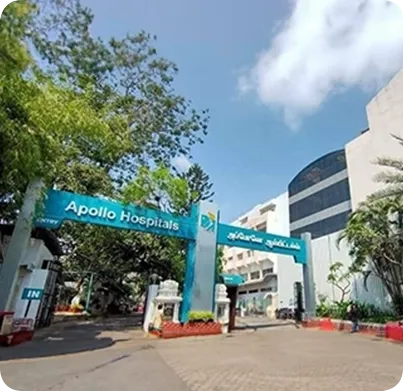
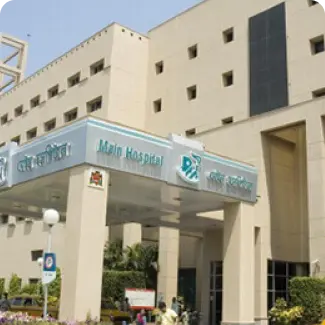
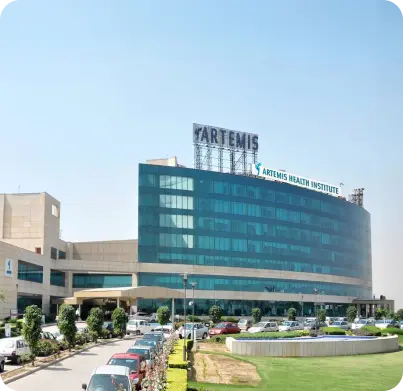
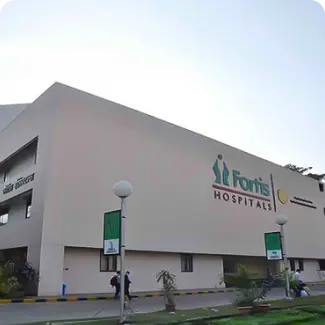
The best hospitals are partnered with Karetrip
Access world-class facilities from top hospitals






Consult with the most experienced doctors
Experience premium care from leading specialists




Cost estimation
Learn about the expenses involved in the procedure and what factors affect them.
Estimating the cost of surgery involves several factors, including the type of procedure, hospital fees, surgeon's charges, and additional expenses such as anesthesia and post-operative care. Costs can vary widely based on location and the complexity of the surgery. It's essential to consult with healthcare providers, discuss insurance coverage, and inquire about potential out-of-pocket expenses to ensure a comprehensive understanding of the financial aspects associated with the surgical procedure.
Get Cost EstimationThe average cost of Scleroderma in India is around to .

High Cost
Average Cost
Low Cost
The LIST of AVERAGE COST of the Scleroderma across TOP 0 cities in India in Indian Rupee (INR) is as follows :
City
Lowest Cost
Average Cost
Highest Cost
Commonly Asked Questions
What is scleroderma?
Scleroderma is a chronic autoimmune disease characterized by the hardening and tightening of the skin and connective tissues, and potentially affecting internal organs.
What causes scleroderma?
The exact cause is unknown, but it involves an autoimmune response leading to excessive collagen production and fibrosis. Genetic, environmental, and hormonal factors may contribute.
How is scleroderma diagnosed?
Diagnosis involves medical history, physical examination, blood tests for specific antibodies, skin biopsy, imaging studies, and other specialized tests
What are the main symptoms of scleroderma?
Symptoms include skin hardening, Raynaud's phenomenon, digestive issues, respiratory problems, joint pain, and systemic fatigue.
Is there a cure for scleroderma?
There is no cure for scleroderma, but treatment focuses on managing symptoms, preventing complications, and improving quality of life.
How is scleroderma treated?
Treatment may include medications to manage symptoms and slow disease progression, lifestyle modifications, and supportive therapies.
Can scleroderma affect life expectancy?
While scleroderma can lead to serious complications, early diagnosis and treatment can improve prognosis and quality of life.
Are there lifestyle changes that can help manage scleroderma?
Yes, managing stress, maintaining a healthy diet, and avoiding environmental triggers can help alleviate symptoms and improve overall well-being.
Can scleroderma affect internal organs?
Yes, scleroderma can involve internal organs such as the lungs, kidneys, and gastrointestinal tract, leading to various systemic symptoms.
What support is available for people with scleroderma?
Support includes medical care, counseling, support groups, and educational resources to help manage the condition and improve quality of life.
How often should I see a doctor for scleroderma?
Regular follow-ups with a healthcare provider are important to monitor disease progression, manage symptoms, and adjust treatment as needed.



"I had a successful surgery at Fortis Escorts Hospital, and it was all thanks to Karetrip's help in finding the right hospital for me. The entire process was smooth and stress-free, with Karetrip handling all the arrangements and answering any questions I had. The medical team at the hospital was outstanding, and the facilities were top-notch. I highly recommend Karetrip to anyone looking for a tension-free healthcare experience."
Read MoreFatima
Chattogram

"Thanks to Karetrip, I got connected with MAX Hospital in New Delhi. The team guided me through every step - from finding the right doctor to handling travel and visas. They made a daunting process feel like a breeze. The care I received at MAX Hospital was outstanding, and I can't thank Karetrip enough for making it possible. They truly put patients first and go the extra mile to ensure a smooth healthcare journey. I'm grateful beyond words!"
Read MoreHasan
Dhaka

"At first, I was unsure about having a medical procedure done in a foreign country. However, Karetrip's team at Indraprastha Apollo Hospital made me feel much better. The hospital was very clean, modern, and had everything they needed to help me. The staff were very kind and did everything they could to make me feel comfortable. I'm really happy with how my treatment turned out, and I appreciate Karetrip for making it easy and stress-free."
Read MoreImran
Sylhet
 Google Reviews4.9/5


I had a successful surgery at Fortis Escorts Hospital, and it was all thanks to Karetrip's help in finding the right hospital for me. The entire process was smooth and stress-free, with Karetrip handling all the arrangements and answering any questions I had. The medical team at the hospital was outstanding, and the facilities were top-notch. I highly recommend Karetrip to anyone looking for a tension-free healthcare experience.
Fatima
Chattogram
Google Reviews4.9/5