Spine SurgeryTravel to India's Best Hospitals for Spine Surgery Care
 Easy Medical Visa Approvals
Comprehensive Treatment Plans
Travel Booking Assistance
Multi-Language Support
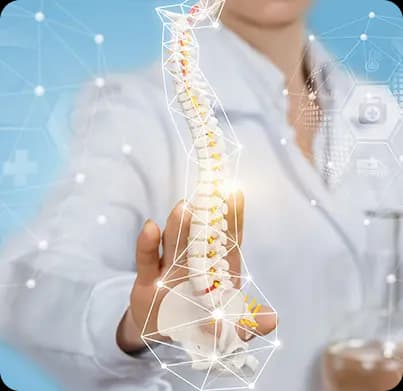
Spine surgery involves a number of procedures aimed at diagnosing, treating and managing conditions affecting the spine and its supporting structures. These conditions can include degenerative diseases, deformities, injuries, and tumors. Spine surgery is designed to relieve pain, restore function, and improve quality of life for patients with spinal problems. If you're experiencing severe back or neck pain, persistent numbness or tingling in the limbs, weakness, difficulty walking, it's important to consult a spine surgeon for evaluation and treatment. Contact us for expert advice and consultation with leading Spine Surgeons in India.

Karetrip is now NABH-accredited!

Common treatments
Get treated by leading doctors

Your Medical Assistant
Get instant help planning your treatment journey
Your journey to good health begins here

Accredited Hospitals
Nationally accredited hospitals for high-quality care

Multi-language Support
Convey your needs in the language you're most comfortable in

Travel Booking Assistance
Seamless booking assistance for your healthcare journey

Personalised Treatment Plans
A treatment journey tailored to all your preferences and needs

Unparalleled Hospitality
Experience exceptional hospitality during your stay

Easy Medical Visa Approvals
Dedicated assistance for medical visa requirements
Karetrip is now NABH-accredited!

This assures you of unparalleled quality and a seamlessly managed medical travel experience.
Partnered with India’s Biggest Hospitals





Know more about Spine Surgery
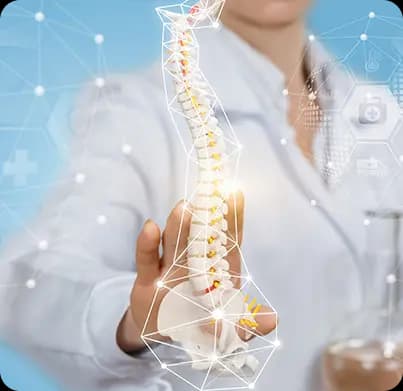
Spine surgery is performed to address various spinal issues that cause pain, discomfort, or impaired function. Common types of spine surgery include spinal fusion, which joins two or more vertebrae to stabilize the spine; laminectomy, which removes a part of the vertebrae to relieve pressure on nerves; and discectomy, which removes a damaged disc to alleviate nerve compression. Minimally invasive techniques, involving small incisions and advanced tools, are also used to reduce recovery time and minimize pain.
TYPES OF SPINE SURGERY
1. Discectomy: Removal of the herniated or damaged portion of a disc to relieve pressure on the spinal nerves. Can be performed through traditional open surgery or minimally invasive techniques.
2. Spinal Fusion: Joining two or more vertebrae together using bone grafts or implants to stabilize the spine and reduce movement. Can be performed through various techniques including anterior, posterior, or lateral approaches.
3. Laminectomy: Removal of the lamina (part of the vertebra) to relieve pressure on the spinal cord or nerves. Often used to treat spinal stenosis.
4. Vertebroplasty and Kyphoplasty: Minimally invasive procedures to stabilize spinal fractures by injecting bone cement into the affected vertebra. Typically used for compression fractures due to osteoporosis.
5. Artificial Disc Replacement: Replacement of a damaged intervertebral disc with an artificial disc to maintain motion and reduce pain. Performed through a similar approach as discectomy.
6. Spinal Decompression Surgery: Procedures aimed at relieving pressure on the spinal cord or nerves, which may include laminectomy, foraminotomy, or other techniques. Can be performed through various surgical approaches depending on the location and cause of compression.
7. Scoliosis Surgery: Correction of abnormal spinal curvature through spinal fusion and instrumentation. Can involve complex techniques to realign the spine and correct deformity.
ADVANTAGES OF SPINE SURGERY
1. Pain Relief: Addresses underlying causes of pain, potentially leading to significant relief.
2. Improved Function: Can help restore function and mobility, improving the patient’s quality of life.
3. Corrective Outcomes: Corrects spinal deformities and stabilizes the spine, improving posture and alignment.
4. Minimally Invasive Options: Many spine surgeries can now be performed using minimally invasive techniques, leading to shorter recovery times and less postoperative discomfort.
COMMON SPINE CONDITIONS TREATED
1. Degenerative Disc Disease: The deterioration of intervertebral discs, which can lead to pain, stiffness, and reduced mobility.
2. Herniated Disc: A condition where the inner gel-like core of a disc protrudes through a tear in the outer layer, potentially pressing on spinal nerves.
3. Spinal Stenosis: Narrowing of the spinal canal that can compress the spinal cord or nerves, leading to pain and neurological symptoms.
4. Scoliosis: An abnormal curvature of the spine that can cause deformity and functional issues.
5. Spinal Fractures: Breaks in the vertebrae, often due to trauma or osteoporosis.
6. Spinal Tumors: Growths within or around the spinal cord or vertebrae, which can be benign or malignant.
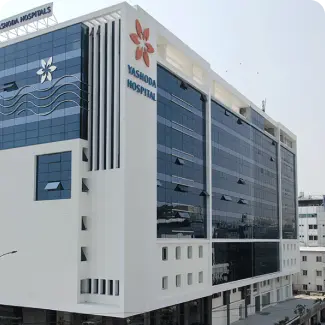
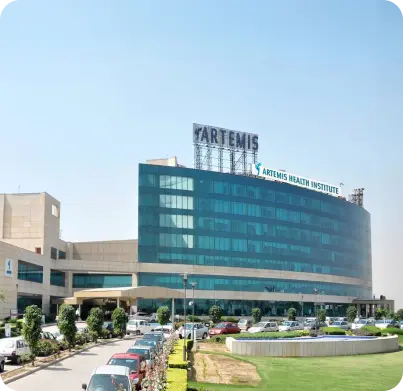
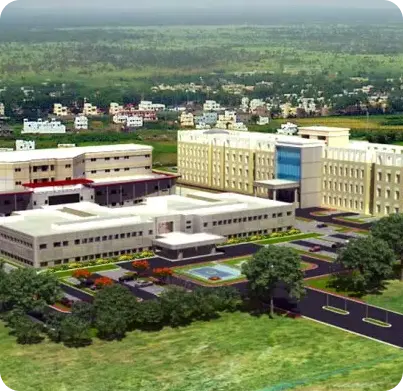
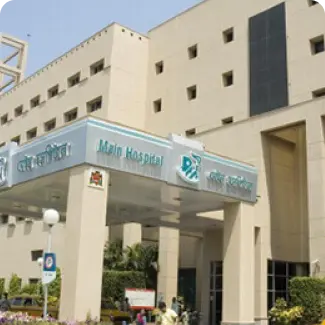
The best hospitals are partnered with Karetrip
Access world-class facilities from top hospitals






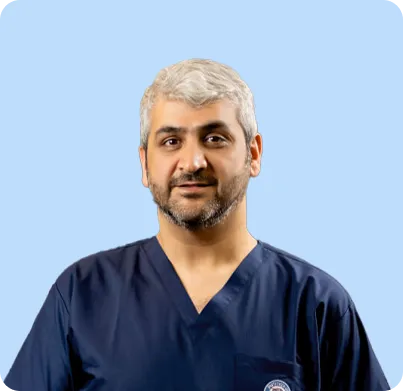
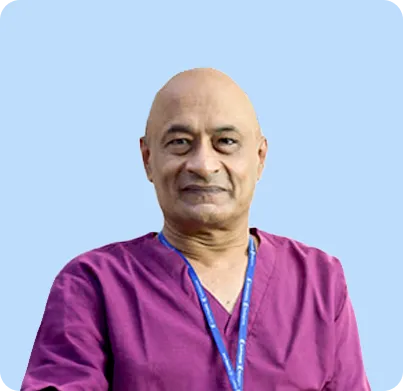
Consult with the most experienced doctors
Experience premium care from leading specialists




Commonly Asked Questions
What is spine surgery?
Spine surgery is a medical procedure performed to address various spinal issues such as herniated discs, spinal stenosis, or fractures. It aims to relieve pain, restore function, and improve quality of life.
What types of spine surgeries are available?
Common types include spinal fusion (joining vertebrae), laminectomy (removing a part of the vertebrae to relieve pressure), discectomy (removing a damaged disc), and minimally invasive surgeries.
How do I know if I need spine surgery?
Your doctor will evaluate your symptoms, medical history, and results from imaging tests and physical exams. Surgery is typically considered if conservative treatments like medication and physical therapy have not relieved your symptoms.
What can I expect before spine surgery?
Before surgery, you will undergo a thorough evaluation, including imaging tests and possibly preoperative blood work. Your surgeon will explain the procedure, potential risks, and how to prepare, such as fasting or stopping certain medications.
How long does spine surgery take?
The duration of spine surgery varies depending on the type and complexity of the procedure. It can range from one to several hours. Your surgeon will provide a more specific estimate based on your individual case.
What is the recovery process like after spine surgery?
Recovery involves time in the hospital, followed by physical therapy to strengthen the spine and improve mobility. You may need to follow specific instructions regarding activity limitations and care of the surgical site.
Are there risks associated with spine surgery?
Yes, like any surgery, spine surgery carries risks, including infection, bleeding, nerve damage, or a reaction to anesthesia. Your surgeon will discuss these risks with you and take measures to minimize them.
Will I have pain after spine surgery?
Some pain and discomfort are normal after surgery. Pain management strategies, including medications and physical therapy, will be used to help you manage and reduce post-surgical pain.
How long will it take to recover from spine surgery?
Recovery time varies depending on the procedure and individual factors. It can range from a few weeks to several months. Your doctor will provide a timeline based on your specific surgery and overall health.
Can I return to normal activities after spine surgery?
Most patients can return to normal activities gradually as they recover. Your doctor will advise on when and how you can resume activities like driving, work, and exercise based on your progress.
What should I do if I have complications after spine surgery?
If you experience severe pain, unusual symptoms, or signs of infection (such as fever or excessive redness around the incision), contact your healthcare provider immediately. Early intervention can help address complications effectively.



"I had a successful surgery at Fortis Escorts Hospital, and it was all thanks to Karetrip's help in finding the right hospital for me. The entire process was smooth and stress-free, with Karetrip handling all the arrangements and answering any questions I had. The medical team at the hospital was outstanding, and the facilities were top-notch. I highly recommend Karetrip to anyone looking for a tension-free healthcare experience."
Read MoreFatima
Chattogram

"Thanks to Karetrip, I got connected with MAX Hospital in New Delhi. The team guided me through every step - from finding the right doctor to handling travel and visas. They made a daunting process feel like a breeze. The care I received at MAX Hospital was outstanding, and I can't thank Karetrip enough for making it possible. They truly put patients first and go the extra mile to ensure a smooth healthcare journey. I'm grateful beyond words!"
Read MoreHasan
Dhaka

"At first, I was unsure about having a medical procedure done in a foreign country. However, Karetrip's team at Indraprastha Apollo Hospital made me feel much better. The hospital was very clean, modern, and had everything they needed to help me. The staff were very kind and did everything they could to make me feel comfortable. I'm really happy with how my treatment turned out, and I appreciate Karetrip for making it easy and stress-free."
Read MoreImran
Sylhet
 Google Reviews4.9/5


I had a successful surgery at Fortis Escorts Hospital, and it was all thanks to Karetrip's help in finding the right hospital for me. The entire process was smooth and stress-free, with Karetrip handling all the arrangements and answering any questions I had. The medical team at the hospital was outstanding, and the facilities were top-notch. I highly recommend Karetrip to anyone looking for a tension-free healthcare experience.
Fatima
Chattogram
Google Reviews4.9/5