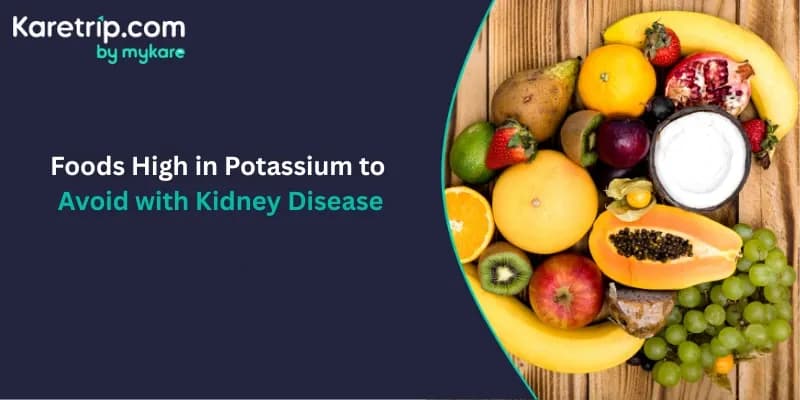

If you or a loved one has kidney disease, diet plays a critical role in staying healthy.
One of the most common concerns is potassium.
High potassium levels can be dangerous for people with kidney disease, which is why many patients ask:
Which foods high in potassium should be avoided with kidney disease?
This guide explains it clearly, without confusion, so you can make safe food choices.
Why Potassium Is a Problem in Kidney Disease
Healthy kidneys remove excess potassium from the blood. When kidneys are damaged, potassium can build up.
High potassium levels (hyperkalemia) can lead to:
- Irregular heartbeat
- Muscle weakness
- Nausea
- In severe cases, heart complications
That’s why managing potassium intake is essential.
Foods High in Potassium to Avoid with Kidney Disease
1. Certain Fruits High in Potassium
Many fruits are healthy but not all are safe for kidney patients.
High-potassium fruits to limit or avoid:
- Bananas
- Oranges and orange juice
- Avocados
- Mangoes
- Papaya
- Pomegranate
Potassium panic? Ask Rua for a safe grocery list for kidney patients. Click here
Chat with our WhatsApp agent RUA for personalized guidance.
2. High-Potassium Vegetables
Some vegetables contain large amounts of potassium.
Vegetables to be cautious with:
- Potatoes (especially baked or mashed)
- Sweet potatoes
- Tomatoes and tomato products
- Spinach
- Pumpkin
- Beetroot
Cooking methods like boiling and draining may reduce potassium partially —but always check with a diet expert.
3. Dairy Products
Dairy foods contain potassium and phosphorus.
Limit:
- Milk
- Yogurt
- Cheese
- Ice cream
Small portions may be allowed depending on your kidney stage.
4. Nuts, Seeds, and Dry Fruits
These are nutrient-dense but risky for kidney patients.
High-potassium items include:
- Almonds
- Cashews
- Peanuts
- Raisins
- Dates
Small amounts can significantly raise potassium in some patients.
5. Beans, Lentils, and Legumes
Often considered healthy, but high in potassium.
Limit or avoid:
- Kidney beans
- Chickpeas
- Lentils
- Soybeans
Preparation methods may reduce potassium slightly, but moderation is key.


6. Processed and Packaged Foods
Many packaged foods contain hidden potassium additives.
Watch out for:
- Instant soups
- Processed meats
- Ready-to-eat meals
- Salt substitutes (often high in potassium)
Always read labels carefully.
What Can Happen If Potassium Gets Too High?
High potassium levels may cause:
- Chest discomfort
- Heart rhythm problems
- Weakness or fatigue
click here Chat with Rua now on WhatsApp to understand whether your symptoms need urgent care.
Are All Kidney Patients the Same?
No.
Potassium limits depend on:
- Stage of kidney disease
- Whether you are on dialysis
- Blood test results
- Other medical conditions
This is why diet plans must be personalized.
Why Professional Guidance Matters
Avoiding potassium completely is not healthy either.
The goal is balance:
- Enough potassium for body function
- Not so much that it becomes dangerous
- Getting the right advice prevents unnecessary food fear.
Why Many Patients Choose India for Kidney Care
India offers:
- Experienced nephrologists in India
- Renal diet specialists
- Advanced kidney testing
- Affordable care for international patients
How Karetrip Helps You Manage Kidney Health
At karetrip.com we help patients and caregivers make confident decisions about kidney care.
We assist with:
- Connecting you to kidney specialists
- Diet and treatment planning
- Second opinions
- Medical visas, travel, and accommodation
- End-to-end patient support