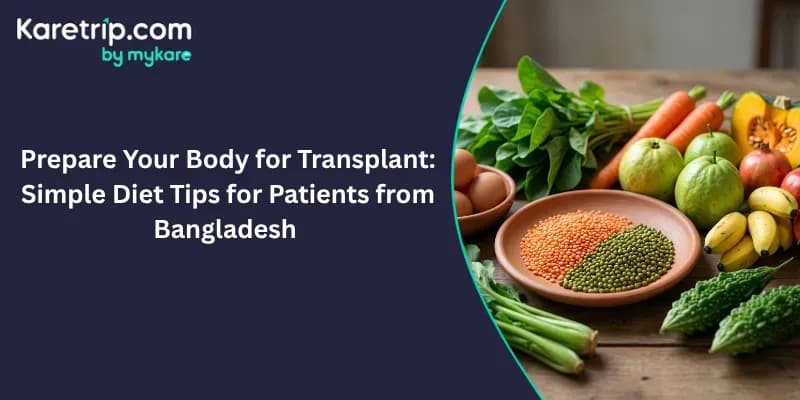
When a patient in Dhaka, Chittagong, or Sylhet receives the news that they require a life-saving organ transplant, the immediate focus naturally shifts to medical logistics. Families scramble to find the right surgeon, calculate the financial requirements, and navigate the complex paperwork required to cross the border into India for advanced medical care.
However, amidst the flurry of securing passports and booking hospital consultations, one of the most critical aspects of surgical success is often overlooked: the physical preparation of the patient's own body.
Undergoing a major organ transplant whether it is a kidney or a liver is one of the most intense physical traumas the human body can endure. You are not simply preparing for a surgery; you are preparing for a physiological marathon. If your body is malnourished, severely swollen with excess fluid, or loaded with built-up toxins, your risk of surgical complications and post-operative infections skyrockets.
For Bangladeshi patients, adhering to a strict pre-transplant diet can feel culturally isolating. The traditional Bengali diet is rich, flavorful, and often relies heavily on ingredients that failing organs can no longer process safely. But modifying your diet does not mean you have to give up your cultural comforts entirely. It simply requires smart substitutions and strict portion control. At karetrip, we specialize in guiding international patients through the entire spectrum of their medical journey to India. We know that clinical success starts in the kitchen long before you reach the operating theater. Here is your comprehensive to preparing your body for a transplant, featuring simple, culturally relevant diet tips tailored specifically for Bangladeshi patients.
1. The Biology of Preparation: Why Your Diet Matters Now
To understand why you must change how you eat, you must understand what your failing organs are currently struggling to do. If you are waiting for a kidney transplant, your body has lost its primary filtration system. Waste products from the food you eat, which are normally excreted in urine, are now building up to toxic levels in your blood (a condition known as uremia). If you are preparing for a liver transplant in India, your body is likely struggling to metabolize nutrients, leading to severe muscle wasting, malnutrition, and fluid pooling in your abdomen (ascites).
A targeted pre-transplant diet accomplishes three critical goals:
- Reduces Toxic Load: It minimizes the buildup of dangerous minerals like potassium and phosphorus in the blood.
- Preserves Muscle Mass: It ensures you have the physical strength necessary to survive prolonged anesthesia and begin physical therapy immediately after surgery.
- Controls Fluid Volume: It prevents dangerous swelling around the heart and lungs, stabilizing your blood pressure for the operating table.
2. Managing Protein: The Delicate Bengali Balance
The traditional Bangladeshi diet is heavily reliant on protein sources like river fish (Mach), lentils (Dal), and occasionally beef or mutton. Managing these proteins is the trickiest part of your pre-transplant preparation, and the rules change depending on your specific organ failure.
- If You Have Kidney Failure (Pre-Dialysis): If your kidneys are failing but you are not yet on dialysis, you must strictly limit your protein intake. Processing protein creates urea, a waste product that damaged kidneys cannot filter out. High urea levels cause severe nausea, fatigue, and a metallic taste in your mouth.
- The Bengali Modification: Limit your fish intake to one small, matchbox-sized piece of Rui or Katla per day. Avoid rich, heavy meats like beef or mutton entirely. Lentils (Dal) must be heavily restricted, as they are high in both protein and phosphorus.
- If You Are on Dialysis or Awaiting a Liver Transplant: The rules reverse here. Dialysis physically washes away essential proteins from your blood. Similarly, failing livers cause severe muscle malnutrition. In these cases, you need a high-quality protein diet to rebuild your strength for surgery.
The Bengali Modification: Focus on highly digestible, lean proteins. Egg whites are the absolute gold standard for kidney and liver patients. Fresh, well-cooked river fish is excellent. Avoid processed meats, dried fish (Shutki), and deep-fried preparations.
3. Taming the Swelling: Strict Sodium (Salt) Control
Sodium acts like a sponge in your body; wherever salt goes, water follows. When your kidneys or liver are failing, consuming salt leads to massive fluid retention. This causes your legs to swell, fluid to build up in your lungs (making it hard to breathe), and your blood pressure to spike dangerously high. The standard Bangladeshi diet is notoriously high in sodium, but you can train your palate to adjust.
Foods You Must Completely Eliminate:
- Dried Fish (Shutki): While culturally beloved, the curing process relies on massive amounts of salt. It is highly dangerous for transplant patients.
- Pickles and Chutneys (Achar): Commercial and homemade pickles are soaked in salt and oil. Papadums (Papad) and Salty Snacks: Chanachur, salted biscuits, and street-side snacks are loaded with hidden sodium.
- Soy Sauce and MSG: Often used in Indo-Chinese cooking, these must be strictly avoided.
Flavoring Your Food Safely: You do not have to eat bland food. Use traditional Bengali spices that carry zero sodium. Marinate your fish or chicken with fresh ginger, garlic paste, turmeric (Halud), cumin (Jeera), coriander (Dhania), and fresh green chilies. A squeeze of fresh lemon or lime juice just before eating can mimic the "salty" bite your tongue is craving without endangering your organs.


4. The Hidden Dangers: Potassium and Phosphorus
For patients with End-Stage Renal Disease (ESRD) waiting for a kidney transplant, potassium and phosphorus are invisible threats.
- Managing Potassium (To Protect Your Heart): High potassium levels can cause sudden, fatal heart attacks without any warning symptoms.
- Avoid: Bananas (Kola), coconuts and coconut water (Daab), tomatoes, potatoes (Aloo), and spinach (Palak).
- Safe Alternatives: White rice (Bhaat) is actually excellent for kidney patients because it is much lower in potassium and phosphorus than brown rice. Safe fruits include apples, papayas, and guavas. Safe vegetables include bottle gourd (Lau), ridge gourd (Jhinga), and cabbage, provided they are boiled and the water is discarded before cooking (a process called leaching).
- Managing Phosphorus (To Protect Your Bones): Failing kidneys cannot remove phosphorus. When it builds up, it pulls calcium directly out of your bones, making them brittle and weak before surgery.
- Avoid: Dairy products are massive sources of phosphorus. You must strictly limit milk, yogurt (Doi), and traditional Bengali sweets made from milk solids (Mishti, Rosogolla, Sandesh). Dark colas and energy drinks must also be entirely eliminated.
5. Infection Control: Safe Food Preparation
As you prepare for a transplant, your immune system is highly vulnerable. A simple gastrointestinal infection from contaminated food can force doctors to cancel your surgery date. Food hygiene must become a strict obsession in your household.
- No Raw Foods: Do not eat raw salads, raw onions, or unpeeled fruits. Everything must be thoroughly washed and peeled.
- Strictly Avoid Street Food: Cravings for Fuchka, Chotpoti, or roadside Jhal Muri must be ignored. The risk of waterborne bacteria is too high.
- Cook Thoroughly: All fish, chicken, and eggs must be cooked completely until steaming hot. Never consume runny egg yolks or undercooked meats.
- Boil Your Water: Always drink filtered, thoroughly boiled water, even if you are using a home purification system.
6. The karetrip Advantage: Your Safe Kitchen in India
Understanding these dietary rules in Bangladesh is the first step. The second, and often more difficult step, is maintaining this strict diet when you travel to India for your surgery. When international patients calculate the overall cost of kidney transplant in India, they often factor in standard hotel accommodations. This is a critical mistake. You absolutely cannot maintain a strict renal or hepatic diet relying on hotel room service or local restaurant food. You have zero control over the salt, cooking oils, and hygiene standards in commercial kitchens, putting your surgical readiness at massive risk. karetrip completely solves this logistical nightmare by providing a protective, home-like environment.
- Sanitized Recovery Apartments: We never place transplant patients in standard hotels. We arrange premium, deeply sanitized serviced apartments located within minutes of the best hospital for organ transplant in India.
- The Private Clinical Kitchen: These apartments feature fully equipped private kitchens. This is the most vital amenity for a Bangladeshi family. It allows your spouse or caregiver to buy fresh local ingredients and cook the exact, modified Bengali meals (Bhaat, light fish curries, leached vegetables) required by your pre-transplant and post-transplant dietary protocols, ensuring absolute hygiene and cultural comfort.
- Priority Medical Visas: Navigating immigration while sick is exhausting. We secure your official Visa Invitation Letter within 24 hours of your clinical review, heavily fast-tracking your medical visa from Bangladesh to India for the patient, the living donor, and the medical attendant.
- Dedicated Ground Support: From VIP wheelchair transfers at the airport to providing dedicated medical translators for your pre-surgical Tumour Board or Transplant Committee interviews, our ground team manages every logistical hurdle so your family can focus entirely on cooking, resting, and preparing for surgery.
Conclusion: Empower Your Journey to Healing
A successful organ transplant is a partnership between brilliant surgical mastery and your own physical resilience. By taking absolute control of your diet today, managing your proteins, severely restricting your sodium, monitoring hidden minerals, and practicing flawless food hygiene, you are actively participating in your own cure. While giving up certain cultural culinary comforts is difficult, it is a temporary sacrifice for a permanent, life-restoring reward.
By choosing to undergo your transplant in India, you are accessing the finest surgical expertise in the hemisphere. By partnering with karetrip, you guarantee that your living environment in India will perfectly support your dietary and hygiene needs. We carry the heavy administrative burden of visas and accommodations, allowing your family to focus entirely on the beautiful journey back to health.
Are you or a loved one preparing for a kidney or liver transplant? Do not let poor nutrition delay your surgery. Chat with Rua, our dedicated patient care coordinator. Securely upload your latest blood reports and eGFR results today. Rua will instantly organize a priority clinical evaluation with India’s leading transplant surgeons, outline your dietary requirements, and secure your urgent Visa Invitation Letters to initiate your journey.
Medical Disclaimer
The content provided in this blog is for informational, logistical, and educational purposes only. Organ failure is a highly complex and individualized medical condition. Dietary requirements vary drastically depending on your specific blood test results, whether you are on dialysis, and the specific organ involved. karetrip facilitates priority appointments, complex travel logistics, and secure online clinical reviews with specialized transplant boards, but does not provide direct medical advice. Always consult with a certified renal or hepatic dietitian before making any changes to your diet.