Lymphoma
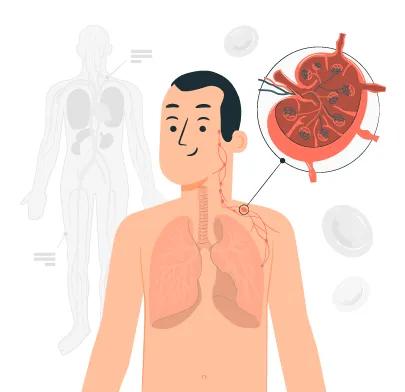
Lymphoma is the general term for cancer in your lymphatic system — the network of tissues, vessels and organs that help your body fight infections. It’s considered a blood cancer because the condition starts in white blood cells (lymphocytes) in your lymphatic system.
 Free Pick up and Drop
No Cost EMI
Post Surgery Care
Lymphoma is the general term for cancer in your lymphatic system — the network of tissues, vessels and organs that help your body fight infections. It’s considered a blood cancer because the condition starts in white blood cells (lymphocytes) in your lymphatic system.
Symptoms Of Lymphoma
Symptoms
 Swollen lymph nodes
 Unexplained weight loss
 Fatigue and weakness
 Fever and chills
Types of conditions
There are 2 main types of Lymphoma
Hodgkin Lymphoma (HL)
Non-Hodgkin Lymphoma (NHL)
Hodgkin Lymphoma (HL)
-
Hodgkin lymphoma is characterized by the presence of Reed-Sternberg cells, large abnormal cells found in the lymph nodes.
-
Subtypes of Hodgkin lymphoma include:
Classical Hodgkin lymphoma (cHL), which includes several subtypes such as nodular sclerosis Hodgkin lymphoma, mixed cellularity Hodgkin lymphoma, lymphocyte-depleted Hodgkin lymphoma, and lymphocyte-rich Hodgkin lymphoma. Nodular lymphocyte-predominant Hodgkin lymphoma (NLPHL), which is less common and has distinct characteristics from classical Hodgkin lymphoma.
Symptoms of Lymphoma
Swollen lymph nodes - Often in the neck, armpits, or groin; Enlarged lymph nodes are a hallmark sign of lymphoma, indicating the body's immune response to the presence of abnormal cells.
Unexplained weight loss - Weight loss without changes in diet or exercise can occur due to the body's increased metabolic demands in fighting lymphoma or as a result of cytokines produced by cancer cells.
Fatigue and weakness - Lymphoma can cause fatigue and weakness due to factors such as anemia, disrupted sleep patterns, or the body's immune response to the cancer.
Fever and chills - Fever and chills are often symptoms of the body's inflammatory response to lymphoma or can be caused by infections associated with the disease.
Diagnosis
Blood tests
- Complete blood count (CBC) with differential to analyze different types of white blood cells.
- Erythrocyte sedimentation rate (ESR) to detect inflammation that may be a sign of lymphoma.
- Lactate dehydrogenase (LDH) to detect large amounts of cell “turnover” or growth/death.
- Liver and kidney function tests.
- Serum protein electrophoresis (SPEP) to evaluate monoclonal proteins (M proteins), which are abnormal proteins that your plasma cells produce.
Imaging tests
- Computed tomography (CT) scan to look for lymphoma signs such as enlarged lymph nodes, spleen or other organs.
- Positron emissions tomography (PET) scans to detect signs of cancer. PET scans are usually combined with low-resolution CT scans and are sometimes used in addition to magnetic resonance imaging (MRI) scans.
Treatment
Chemotherapy- Chemotherapy involves the use of powerful drugs to kill cancer cells or stop their growth. It can be administered orally or intravenously and works throughout the body, making it effective against lymphoma cells that may have spread beyond the lymph nodes. Side effects may include nausea, hair loss, and increased susceptibility to infections.
Radiation Therapy- Radiation therapy uses high-energy X-rays or other types of radiation to target and destroy cancer cells. It's often employed to treat localized areas of lymphoma, particularly when the disease is confined to one or a few lymph node regions. Side effects may include skin irritation, fatigue, and long-term risks such as secondary cancers.
Targeted Therapy- Targeted therapy drugs are designed to specifically target molecules or pathways involved in cancer cell growth and survival. In lymphoma, targeted therapies may include monoclonal antibodies or small molecule inhibitors that interfere with signaling pathways critical for lymphoma cell proliferation. These treatments may have fewer side effects compared to traditional chemotherapy.
Immunotherapy - Immunotherapy works by harnessing the body's immune system to recognize and attack cancer cells. For lymphoma, monoclonal antibodies or immune checkpoint inhibitors may be used to enhance immune responses against lymphoma cells. Immunotherapy can sometimes lead to long-lasting remissions and may have fewer side effects compared to traditional chemotherapy.
Stem Cell Transplantation - Stem cell transplantation involves replacing diseased or damaged bone marrow with healthy stem cells to help the body produce healthy blood cells. It's typically used in cases of aggressive or refractory lymphomas, where high-dose chemotherapy and/or radiation therapy are given to eradicate cancer cells followed by transplantation of stem cells. This procedure carries significant risks, including infections, graft-versus-host disease, and long-term complications, but it can offer a chance for long-term remission or cure in some cases.
Recovery
Recovering from treatment can take time. You may feel tired for many months after treatment is over. Occasionally, tiredness may last for a 1 or 2 years, depending on the type of treatment you had.
Physical activity can help improve energy levels and reduce tiredness. Short walks are a good way to start. Being active also helps you sleep better and can improve anxiety and depression.
Your journey to good health begins here

Accredited Hospitals
Nationally accredited hospitals for high-quality care

Multi-language Support
Convey your needs in the language you're most comfortable in

Travel Booking Assistance
Seamless booking assistance for your healthcare journey

Personalised Treatment Plans
A treatment journey tailored to all your preferences and needs

Unparalleled Hospitality
Experience exceptional hospitality during your stay

Easy Medical Visa Approvals
Dedicated assistance for medical visa requirements

Your Medical Assistant
Get instant help planning your treatment journey
The best hospitals are partnered with Karetrip
Access world-class facilities from top hospitals






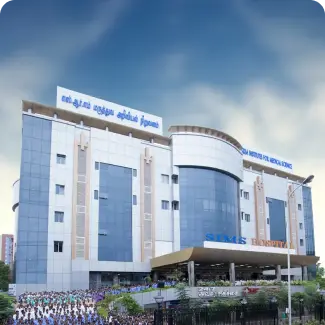
Consult with the most experienced doctors
Experience premium care from leading specialists






Cost estimation
Learn about the expenses involved in the procedure and what factors affect them.

The cost of Lymphoma treatment varies due to several factors. Hospital charges, surgeon fees, and anesthesia costs all contribute to the total expense. Pre-operative tests and post-operative care also influence costs. Location and the type of treatment impact expenses. Insurance coverage affects individual costs, including deductibles and copayments. Our team can help you understand the precise costs based on your specific case and doctor’s recommendations.
The cost of lymphoma treatments varies from hospital to hospital in India; Cost of various type of treatment are given below:
Chemotherapy
Chemotherapy is the cornerstone of lymphoma treatment. In India, the cost of chemotherapy varies depending on factors such as the drugs used, the number of cycles required, and the patient's overall health. On average, chemotherapy can range from INR 50,000 to INR 1,50,000 per cycle. However, it is important to note that these costs are approximate and may vary across different cities and healthcare facilities.
Radiation Therapy
Radiation therapy, when combined with chemotherapy, can significantly improve treatment outcomes. The cost of radiation therapy in India depends on factors such as the type of radiation (external beam or brachytherapy), the number of sessions required, and the location of the cancer. On average, the cost of radiation therapy can range from INR 1,50,000 to INR 5,00,000 for a full course of treatment.
Immunotherapy
Immunotherapy has revolutionized cancer treatment by empowering the body's immune system to fight cancer cells. In India, the cost of immunotherapy varies depending on the type of immunotherapeutic agent used and the duration of treatment. On average, the cost of immunotherapy can range from INR 2,00,000 to INR 10,00,000 per cycle.
Targeted Therapy
Targeted therapy, though relatively expensive, offers promising results for certain lymphoma subtypes. The cost of targeted therapy in India depends on the specific drugs used and the duration of treatment. On average, targeted therapy can range from INR 5,00,000 to INR 20,00,000 per cycle.
Stem Cell Transplant
Stem cell transplant, a potential curative option for lymphoma, involves complex procedures and requires specialized facilities. The cost of stem cell transplant in India varies depending on factors such as the type of transplant (autologous or allogeneic), the source of stem cells, and the patient's overall health. On average, the cost of stem cell transplant can range from INR 10,00,000 to INR 25,00,000.
Get Cost EstimationThe average cost of Lymphoma in India is around ₹ 3,80,000 to ₹ 19,50,000.

₹ 19,50,000
High Cost
₹ 10,00,000
Average Cost
₹ 3,80,000
Low Cost
The LIST of AVERAGE COST of the Lymphoma across TOP 5 cities in India in Indian Rupee (INR) is as follows :
City
Lowest Cost
Average Cost
Highest Cost
Delhi
₹ 5,00,000
₹ 10,00,000
₹ 20,00,000
Mumbai
₹ 7,50,000
₹ 15,00,000
₹ 30,00,000
Kolkata
₹ 5,00,000
₹ 10,00,000
₹ 20,00,000
Pune
₹ 3,80,000
₹ 9,00,000
₹ 15,00,000
Chennai
₹ 4,50,000
₹ 13,00,000
₹ 19,50,000
Commonly Asked Questions
Is Lymphoma Curable?
Certain forms of lymphoma, such as early-stage Hodgkin’s lymphoma, usually respond well to treatment and therefore have a high cure rate.
Hodgkin Lymphoma vs. Non-Hodgkin Lymphoma
They are both cancers that adversely affect and spread through the body’s lymphatic system, but there are some differences that can affect treatment options.
How Do They Test for Lymphoma?
Testing for lymphatic cancer generally begins with a physical examination, during which your physician will review your medical history and discuss your symptoms. Lymphoma can be confirmed with a biopsy, in which a tissue sample is taken from an affected area of the body for analysis. At Moffitt Cancer Center, we perform several types of biopsies to diagnose lymphatic cancer, including excisional lymph node biopsy, pleural fluid biopsy, bone marrow aspiration and biopsy and image-guided biopsy using CT and ultrasound.
What Does Lymphoma Feel Like?
One common symptom of lymphoma is swollen lymph nodes, which can create visible lumps under the skin, usually in the neck, armpit or groin area. However, there are many types of benign skin lumps, such as cysts and lipomas, which are not necessarily a cause for concern. What’s more, lymph nodes normally become engorged with white blood cells when the body is fighting off an infection, and the swelling generally subsides after the infection clears. But lymph nodes that become noticeably enlarged without an infection should be checked by a physician.



"I had a successful surgery at Fortis Escorts Hospital, and it was all thanks to Karetrip's help in finding the right hospital for me. The entire process was smooth and stress-free, with Karetrip handling all the arrangements and answering any questions I had. The medical team at the hospital was outstanding, and the facilities were top-notch. I highly recommend Karetrip to anyone looking for a tension-free healthcare experience."
Read MoreFatima
Chattogram

"Thanks to Karetrip, I got connected with MAX Hospital in New Delhi. The team guided me through every step - from finding the right doctor to handling travel and visas. They made a daunting process feel like a breeze. The care I received at MAX Hospital was outstanding, and I can't thank Karetrip enough for making it possible. They truly put patients first and go the extra mile to ensure a smooth healthcare journey. I'm grateful beyond words!"
Read MoreHasan
Dhaka

"At first, I was unsure about having a medical procedure done in a foreign country. However, Karetrip's team at Indraprastha Apollo Hospital made me feel much better. The hospital was very clean, modern, and had everything they needed to help me. The staff were very kind and did everything they could to make me feel comfortable. I'm really happy with how my treatment turned out, and I appreciate Karetrip for making it easy and stress-free."
Read MoreImran
Sylhet
 Google Reviews4.9/5


I had a successful surgery at Fortis Escorts Hospital, and it was all thanks to Karetrip's help in finding the right hospital for me. The entire process was smooth and stress-free, with Karetrip handling all the arrangements and answering any questions I had. The medical team at the hospital was outstanding, and the facilities were top-notch. I highly recommend Karetrip to anyone looking for a tension-free healthcare experience.
Fatima
Chattogram
Google Reviews4.9/5