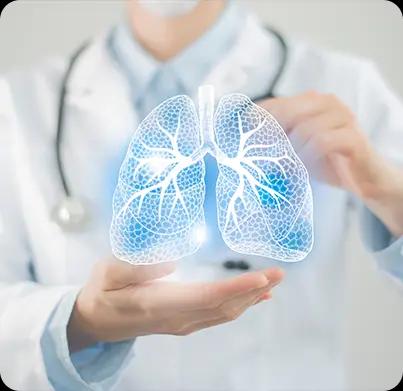
PulmonologyTravel to India's Best Hospitals for Pulmonology
 Easy Medical Visa Approvals
Comprehensive Treatment Plans
Travel Booking Assistance
Multi-Language Support
Pulmonology is a medical specialty focused on the diagnosis, treatment, and management of diseases and disorders related to the respiratory system. Pulmonologists are physicians who specialize in the care of the lungs and other parts of the respiratory tract, including the bronchi, trachea, and pleurae. If you are experiencing persistent respiratory issues, chronic cough, shortness of breath, or conditions like asthma, COPD, or lung infections, you should consult a pulmonologist for specialized evaluation and treatment. Contact us for expert advice and consultation with leading Pulmonologists in India.

Karetrip is now NABH-accredited!

Common treatments
Get treated by leading doctors

Your Medical Assistant
Get instant help planning your treatment journey
Your journey to good health begins here

Accredited Hospitals
Nationally accredited hospitals for high-quality care

Multi-language Support
Convey your needs in the language you're most comfortable in

Travel Booking Assistance
Seamless booking assistance for your healthcare journey

Personalised Treatment Plans
A treatment journey tailored to all your preferences and needs

Unparalleled Hospitality
Experience exceptional hospitality during your stay

Easy Medical Visa Approvals
Dedicated assistance for medical visa requirements
Karetrip is now NABH-accredited!

This assures you of unparalleled quality and a seamlessly managed medical travel experience.
Partnered with India’s Biggest Hospitals





Know more about Pulmonology
Pulmonology specializes in diagnosing and treating respiratory system diseases, such as asthma, Chronic Obstructive Pulmonary Disease (COPD), pulmonary fibrosis, and lung cancer. Asthma is managed with inhalers and trigger avoidance, while COPD treatment includes smoking cessation and medication. Pulmonary fibrosis is treated with antifibrotics and oxygen therapy, and lung cancer management involves surgery, chemotherapy, or targeted therapies. Sleep apnea is addressed with CPAP therapy, and pneumonia and tuberculosis are treated with antibiotics or antivirals. Diagnostic methods include pulmonary function tests, imaging studies like X-rays and CT scans, and bronchoscopy. The field is advancing with new biologics, precision medicine, and telemedicine, alongside preventive measures such as vaccinations and smoking cessation to improve overall respiratory health.
COMMON SYMPTOMS OF PULMONOLOGICAL DISORDERS
-
Asthma: Wheezing, shortness of breath, coughing, and chest tightness, often triggered by allergens or exercise.
-
Chronic Obstructive Pulmonary Disease (COPD): Chronic cough with mucus, breathlessness, and wheezing, typically due to smoking.
-
Pulmonary Fibrosis: Progressive shortness of breath, dry cough, and fatigue due to lung tissue scarring.
-
Lung cancer: Persistent cough, hemoptysis, chest pain, weight loss, and breathlessness.
-
Sleep Apnea: Loud snoring, excessive daytime sleepiness, and observed pauses in breathing during sleep.
-
Pneumonia: Fever, persistent cough with sputum, chest pain, and difficulty breathing.
-
Tuberculosis (TB): Persistent cough, night sweats, fever, weight loss, and fatigue.
TYPES OF PULMONOLOGICAL PROCEDURES
1. Bronchoscopy: Involves using a flexible tube with a camera to visualize the airways and take biopsies or remove obstructions.
2. Pulmonary Function Tests (PFTs): Measures lung capacity, airflow, and gas exchange to assess respiratory function.
3. Chest X-ray: Provides images of the chest to identify abnormalities such as infections, tumors, or fluid accumulation.
4. CT Scan of the Chest: Detailed imaging to diagnose and evaluate lung conditions like tumors, pulmonary embolism, or interstitial lung disease.
5.Thoracentesis: Procedure to remove fluid from the pleural space around the lungs for analysis and relief of symptoms.
6. Arterial Blood Gas (ABG) Analysis: Measures oxygen and carbon dioxide levels in the blood to evaluate lung function and gas exchange.
7. Sleep Study (Polysomnography): Monitors breathing, oxygen levels, and other parameters during sleep to diagnose sleep apnea and other sleep disorders.
8. Lung Biopsy: Involves obtaining a tissue sample from the lung for examination to diagnose conditions like lung cancer or interstitial lung disease.
9. Peak Flow Measurement: Assesses the maximum speed of expiration to monitor asthma control and detect worsening symptoms.
10. Sputum Analysis: Examination of mucus from the lungs to identify infections, cancers, or other conditions.
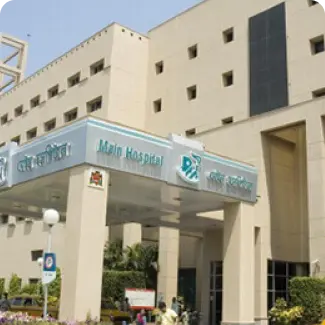
Top Hospitals with Renowned Pulmonology Department
India’s biggest multi-speciality hospitals are here









Consult with India’s Leading Pulmonologist
Receive exceptional care from the most experienced doctors in India



Commonly Asked Questions
What is pulmonology?
Pulmonology is a medical specialty focused on diagnosing, treating, and managing diseases of the respiratory system, including the lungs and airways.
What conditions does pulmonology cover?
Pulmonology addresses a range of conditions such as asthma, Chronic Obstructive Pulmonary Disease (COPD), pulmonary fibrosis, lung cancer, sleep apnea, and pneumonia.
What diagnostic tools are used in pulmonology?
Common diagnostic tools include chest X-rays, CT scans, pulmonary function tests, bronchoscopy, and arterial blood gas analysis.
How does a pulmonologist treat respiratory conditions?
Treatment can include medications, inhalers, lifestyle changes, oxygen therapy, and, in some cases, surgical interventions or advanced therapies.
What role does preventive care play in pulmonology?
Preventive care in pulmonology includes vaccinations, smoking cessation programs, and lifestyle advice to maintain respiratory health and prevent disease onset.
When should someone see a pulmonologist?
You should see a pulmonologist if you experience persistent respiratory symptoms, such as chronic cough, shortness of breath, or if you have been diagnosed with a chronic respiratory condition.
What types of specialists are typically found in a pulmonology department?
A pulmonology department usually includes pulmonologists, respiratory therapists, and sometimes sleep specialists, who work together to diagnose and treat respiratory conditions.
What is the difference between a chest X-ray and a CT scan of the chest?
A chest X-ray provides a general image of the chest to identify basic abnormalities, while a CT scan offers more detailed, cross-sectional images of the chest to assess complex conditions and structures.
How do pulmonologists manage chronic conditions like COPD or asthma?
Pulmonologists manage chronic conditions through a combination of medication (such as bronchodilators and steroids), lifestyle modifications, regular monitoring, and personalized treatment plans to control symptoms and improve quality of life.
Are there any new advancements in pulmonology that patients should be aware of?
Yes, recent advancements include new biologic therapies for treating severe asthma and COPD, improved imaging techniques for better diagnosis, and the growing use of telemedicine to provide remote consultations and monitoring.



"I had a successful surgery at Fortis Escorts Hospital, and it was all thanks to Karetrip's help in finding the right hospital for me. The entire process was smooth and stress-free, with Karetrip handling all the arrangements and answering any questions I had. The medical team at the hospital was outstanding, and the facilities were top-notch. I highly recommend Karetrip to anyone looking for a tension-free healthcare experience."
Read MoreFatima
Chattogram

"Thanks to Karetrip, I got connected with MAX Hospital in New Delhi. The team guided me through every step - from finding the right doctor to handling travel and visas. They made a daunting process feel like a breeze. The care I received at MAX Hospital was outstanding, and I can't thank Karetrip enough for making it possible. They truly put patients first and go the extra mile to ensure a smooth healthcare journey. I'm grateful beyond words!"
Read MoreHasan
Dhaka

"At first, I was unsure about having a medical procedure done in a foreign country. However, Karetrip's team at Indraprastha Apollo Hospital made me feel much better. The hospital was very clean, modern, and had everything they needed to help me. The staff were very kind and did everything they could to make me feel comfortable. I'm really happy with how my treatment turned out, and I appreciate Karetrip for making it easy and stress-free."
Read MoreImran
Sylhet
 Google Reviews4.9/5


I had a successful surgery at Fortis Escorts Hospital, and it was all thanks to Karetrip's help in finding the right hospital for me. The entire process was smooth and stress-free, with Karetrip handling all the arrangements and answering any questions I had. The medical team at the hospital was outstanding, and the facilities were top-notch. I highly recommend Karetrip to anyone looking for a tension-free healthcare experience.
Fatima
Chattogram
Google Reviews4.9/5