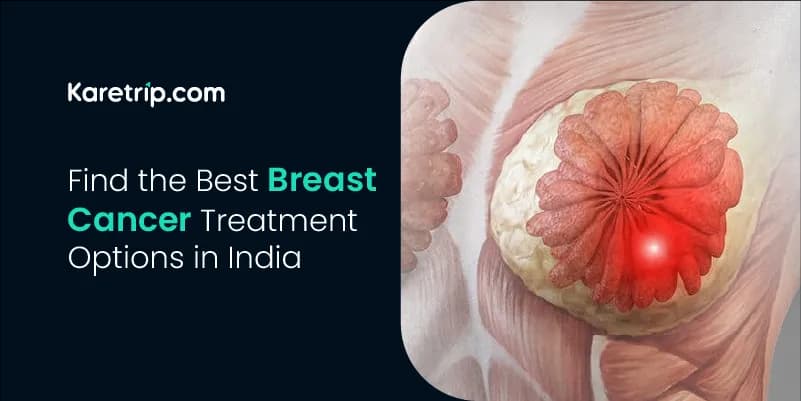

Breast cancer treatment is not one-size-fits-all, and that’s exactly why your choices matter. Globally, over 2.3 million cases are diagnosed each year, making access to the right care critical. So, where do you begin? India has become a trusted destination, offering advanced treatments, from surgery and chemotherapy to targeted and immunotherapies, across major hospitals. If you are guiding patients or planning treatment, this blog walks you through options, decision factors, and why India stands out for quality, affordability, and expert-led care.
Understanding Breast Cancer and Its Treatment Needs
Breast cancer develops when abnormal cells in the breast grow uncontrollably, but what matters most is that not all breast cancers behave the same way. This behaviour determines how aggressive the cancer is, how it spreads, and which treatments will work best. That is why doctors do not follow a one-size-fits-all approach. Instead, they carefully assess your condition to create a treatment plan that is specific to you.
To understand your treatment needs, doctors first look at a few critical factors that define your cancer:
- Type of tumour: Determines whether the cancer is hormone-sensitive, HER2-positive, or more aggressive like triple-negative.
- Growth pattern: Some cancers grow slowly, while others spread quickly and require immediate systemic treatment.
- Stage at diagnosis: Early detection allows for less aggressive treatment, while advanced stages need combined therapies.
Once these factors are clear, treatment is usually planned as a combination of approaches rather than a single method. This is because breast cancer often requires both local and whole-body treatment strategies:
- Local treatments such as surgery and radiation focus on removing or destroying the tumour in the breast.
- Systemic treatments like chemotherapy, hormone therapy, and targeted therapy treat cancer cells throughout the body and reduce the risk of recurrence.
When you understand these elements, it becomes easier to see why treatment recommendations can differ from one patient to another. It also helps you ask the right questions, evaluate your options clearly, and move forward with confidence.
Now that you know how your treatment plan is carefully designed, the next step is understanding the full range of treatments available to you, and how India offers all of them under one healthcare system.
Complete Breast Cancer Treatment Options Available in India
India offers a comprehensive spectrum of breast cancer treatments, aligned with global oncology protocols.
What makes this significant for you is that these treatments are not only available, but also delivered through integrated care pathways, meaning surgery, medical oncology, and advanced therapies are coordinated within the same hospital system.
Here’s a closer look at the key therapies used across leading hospitals in India:
1. Surgery: Removing the Tumour Precisely
Surgery is often the first step in early-stage breast cancer. The goal is to remove the tumour while preserving as much healthy tissue as possible.
- Lumpectomy (breast-conserving surgery): Removes only the tumour and a small margin of surrounding tissue
- Mastectomy: Removes the entire breast; may be recommended for larger or multiple tumours
- Sentinel lymph node biopsy: Checks if cancer has spread to nearby lymph nodes
- Breast reconstruction: Performed immediately or later using implants or body tissue.
2. Chemotherapy: Treating Cancer Systemically
Chemotherapy uses anti-cancer drugs to destroy cancer cells throughout the body. It is used based on tumour size, type, and spread.
- Neoadjuvant chemotherapy: Given before surgery to shrink large tumours
- Adjuvant chemotherapy: Given after surgery to reduce recurrence risk
Treatment is usually delivered in cycles through day-care oncology units, allowing you to recover between sessions while being closely monitored.
3. Radiation Therapy: Targeting Remaining Cancer Cells
Radiation therapy is typically recommended after surgery to destroy microscopic cancer cells that may remain in the breast, chest wall, or nearby lymph nodes, reducing the risk of recurrence.
External Beam Radiation Therapy (EBRT): The most commonly used method, delivered over 3–6 weeks in short, daily sessions targeting the affected area Advanced techniques:
- IMRT (Intensity-Modulated Radiation Therapy): Adjusts radiation intensity to match tumour shape for better precision
- IGRT (Image-Guided Radiation Therapy): Uses real-time imaging to ensure accurate delivery during each session.
4. Hormone (Endocrine) Therapy: Blocking Cancer Growth Signals
For hormone receptor-positive breast cancer, hormone therapy is used to block or reduce oestrogen in the body, which helps slow down or stop cancer growth. It is a key part of long-term treatment to lower the risk of recurrence after primary therapy.
- Tamoxifen: Commonly prescribed for premenopausal women; it blocks oestrogen receptors on cancer cells, preventing them from growing
- Aromatase inhibitors (e.g., anastrozole, letrozole): Used mainly in postmenopausal women; they reduce the body’s overall oestrogen production
This therapy is usually taken daily for 5–10 years, depending on risk factors, and has been shown to significantly reduce recurrence and improve long-term survival outcomes.
5. Targeted Therapy: Precision-Based Treatment
Targeted therapy works by identifying and blocking specific proteins or genetic changes that drive cancer growth, making treatment more precise and effective.
- HER2-targeted drugs (e.g., trastuzumab): Specifically used for HER2-positive cancers to stop tumour growth at the molecular level
- Often combined with chemotherapy to enhance treatment response and improve outcomes.
6. Immunotherapy: Enhancing the Body’s Defence System
Immunotherapy helps your immune system recognise and attack cancer cells more effectively, especially in aggressive cancer types.
- Commonly used in triple-negative breast cancer (TNBC) and advanced-stage cases
- Includes checkpoint inhibitors, which help the immune system detect and respond to cancer cells.
7. Supportive and Integrative Care
Breast cancer treatment also focuses on maintaining your quality of life during and after therapy, ensuring a smoother recovery.
- Pain and symptom management to reduce treatment-related discomfort.
- Nutritional support to maintain strength and immunity.
- Physiotherapy and rehabilitation after surgery.
- Psychological counselling for emotional well-being and long-term survivorship care.
Here’s a quick overview of breast cancer treatments that work together:
| Treatment Type | Purpose | When It Is Used |
|---|---|---|
| Surgery | Remove tumour | Early and some advanced stages |
| Chemotherapy | Kill cancer cells systemically | Before or after surgery |
| Radiation | Destroy remaining cells | After surgery |
| Hormone Therapy | Block hormone-driven growth | Long-term for ER/PR+ cancers |
| Targeted Therapy | Attack specific cancer proteins | HER2-positive cancers |
| Immunotherapy | Boost immune response | Advanced or TNBC cases |
Also Read: Questions to Ask Your Oncologist Before, During, and After Treatment
Now that you’ve explored the different treatment options, the next step is understanding how these treatments are actually applied, because what you receive depends largely on the stage of your cancer.
Breast Cancer Treatment by Stage: What You Can Expect at Each Stage
Breast cancer treatment is planned differently at each stage to ensure the most effective outcome. Doctors in India follow stage-specific treatment pathways, combining therapies in a way that maximises tumour control while reducing unnecessary interventions.
Here’s what doctors typically recommend at each stage of breast cancer:
1. Early Stage (Stage 0 – II):
At this stage, cancer is confined to the breast or nearby lymph nodes, so treatment focuses on complete removal and preventing recurrence.
Treatment typically starts with surgery, either a lumpectomy (to preserve the breast) or a mastectomy, depending on tumour size and location. In many cases, breast-conserving surgery is possible when detected early.
Post-surgery, additional therapies are used to reduce recurrence risk:
- Radiation therapy after lumpectomy to eliminate remaining cells.
- Hormone therapy for ER/PR-positive cancers.
- Chemotherapy in higher-risk cases based on tumour features.
2. Locally Advanced (Stage III):
At this stage, the cancer is larger or has spread to multiple lymph nodes, so treatment focuses on shrinking the tumour and achieving control before removal.
Treatment usually starts with neoadjuvant chemotherapy to reduce tumour size and improve surgical outcomes. This is followed by surgery (lumpectomy or mastectomy) to remove the remaining cancer.
After surgery, radiation therapy is used to target any residual disease. In specific cases:
- Targeted therapy is added for HER2-positive cancers.
- Hormone therapy is used for ER/PR-positive cancers.
3. Advanced / Metastatic (Stage IV):
At this stage, cancer has spread to other organs, so treatment focuses on controlling disease progression and maintaining quality of life rather than cure. Treatment is primarily systemic, meaning it targets cancer throughout the body:
- Targeted therapy for HER2-positive cancers
- Hormone therapy for hormone-sensitive cancers
- Chemotherapy or immunotherapy for aggressive or resistant cases
Share your medical reports and details with Karetrip, and we’ll help you find the best hospital and specialist in India that fits your treatment needs and budget.
Now that you understand how treatment varies by stage, the next key step is choosing the right location.
Top Cities and Leading Hospitals for Breast Cancer Treatment in India
India’s major medical hubs offer globally recognised hospitals with dedicated breast cancer units, multidisciplinary tumour boards, and advanced treatment technologies.
Here’s a city-wise breakdown of top hospitals in India for Breast Cancer treatment:
Delhi NCR
1. Indraprastha Apollo Hospital
Known for its dedicated breast oncology program, this hospital offers oncoplastic surgery, targeted therapy, and advanced radiation (Novalis Tx). A strong tumour board system ensures personalised care.
2. Fortis Memorial Research Institute
Focuses on precision oncology and minimally invasive breast surgery, supported by advanced diagnostics and experienced multidisciplinary teams.
3. Max Super Speciality Hospital
Offers integrated cancer care with strong expertise in breast-conserving surgery and image-guided radiation therapy.
4. Artemis Hospital
A leading centre with dedicated breast oncology specialists, tumour board-driven decisions, and advanced technologies like CyberKnife and IGRT. It provides end-to-end care from diagnosis to rehabilitation.
5. Sharda Hospital
Known for accessible and cost-effective cancer care, Sharda offers a full spectrum of breast cancer treatments including surgery, chemotherapy, and radiation under one roof, with growing international patient services.
Mumbai
6. Tata Memorial Hospital
One of Asia’s leading cancer centres, known for high patient volumes, evidence-based protocols, and specialised breast cancer units.
7. Kokilaben Dhirubhai Ambani Hospital
Provides comprehensive breast cancer care, including robotic surgery, targeted therapy, and advanced imaging under one roof.
8. Saifee Hospital
A well-equipped multispecialty hospital providing personalised breast cancer treatment, with strong capabilities in surgical oncology, chemotherapy, and modern radiation techniques, along with focused patient care and shorter wait times.
Chennai
9. Apollo Proton Cancer Centre
India’s first proton therapy centre, offering high-precision radiation that targets tumours while minimising damage to surrounding healthy tissues, especially beneficial for complex or sensitive cases.
10. MIOT International Hospital
Known for its multidisciplinary oncology approach, combining surgical expertise with advanced chemotherapy and radiation protocols for comprehensive breast cancer care.
11. MGM Cancer Institute
A dedicated oncology centre offering integrated cancer treatment, including advanced diagnostics, surgical oncology, and precision radiation, supported by specialised cancer teams.
12. SIMS Hospital
Provides modern breast cancer treatment with a focus on minimally invasive surgery and personalised therapy plans, supported by advanced imaging and oncology infrastructure.
13. Gleneagles Global Health City
Offers comprehensive cancer care under one roof, with strong expertise in complex cases, multidisciplinary planning, and international patient services.
Bengaluru
14. HCG Cancer Centre
Specialised cancer hospital with dedicated breast cancer units, genomic profiling, and advanced radiation technologies.
15. Manipal Hospitals
Offers comprehensive breast cancer treatment, including minimally invasive surgery and targeted therapies with strong post-treatment care.
Hyderabad
16. Yashoda Hospitals
Provides end-to-end breast cancer care, including advanced diagnostics, surgical oncology, chemotherapy, and targeted therapy within a coordinated treatment framework.
17. Apollo Hospitals
Known for experienced oncology teams and integrated treatment planning, with access to advanced radiation systems and comprehensive systemic therapies.
18. PACE Hospitals
Offers patient-focused cancer care with modern diagnostics and personalised treatment protocols, supported by multidisciplinary specialists and efficient care coordination.
19. Kamineni Hospitals
Delivers comprehensive oncology services, including breast cancer surgery, chemotherapy, and radiation therapy, with a focus on accessibility and clinical outcomes.
Kolkata
20. Apollo Gleneagles Hospital
A leading multispecialty hospital providing comprehensive breast cancer treatment, including advanced diagnostics, surgery, chemotherapy, and targeted therapy with a multidisciplinary approach.
21. AMRI Hospitals
Known for integrated oncology care, offering modern treatment options such as image-guided radiation, chemotherapy, and personalised treatment planning.
22. Fortis Hospital
Provides structured cancer care pathways, including breast-conserving surgery, systemic therapies, and advanced imaging, supported by experienced oncology teams.
23. Manipal Hospitals
Offers end-to-end cancer care, with a focus on coordinated treatment, modern infrastructure, and patient-centric services.
Book your consultation at any of these leading centres effortlessly with Karetrip’s personalised support.
After exploring the leading hospitals across India, it’s equally important to understand what consistently makes the country a reliable choice for breast cancer treatment.


How India Provides World-Class Breast Cancer Care
India has emerged as a trusted global destination for breast cancer care due to its integration of advanced medical technology, experienced specialists, and patient-focused systems. International patients benefit from precise, personalised treatments that align with globally recognised standards while remaining cost-effective.
Let’s explore the core factors that make India a preferred choice for breast cancer treatment:
1. Advanced Technology and Infrastructure
Hospitals across India are equipped with advanced technologies that ensure accurate and effective treatment.
- Precision Radiation Systems: IMRT, IGRT, and proton therapy for highly targeted radiation with minimal damage to healthy tissue
- Advanced Imaging: PET-CT, breast MRI, and 3D mammography for precise staging and monitoring
- Minimally Invasive Surgery: Oncoplastic and robotic-assisted techniques for faster recovery and better cosmetic outcomes.
2. Multidisciplinary Tumour Board Approach
Each patient’s case is reviewed by a team of specialists, including surgical, medical, and radiation oncology experts. Radiologists and pathologists contribute diagnostic insights to guide personalised treatment. Plans follow international guidelines like NCCN and ESMO, ensuring evidence-based and optimal care.
3. Experienced Oncology Specialists
India’s oncologists are highly trained and internationally experienced, capable of handling complex breast cancer cases. Many have trained or practised in the US, UK, or Europe. High patient volumes enhance precision, while subspecialisation ensures focused, results-driven care.
4. Affordable Care Without Compromising Quality
Breast cancer treatment in India is significantly more affordable without compromising quality. Surgery, hospital stay, and advanced therapies cost 50–70% less than in Western countries. Hospitals maintain international standards and accreditations, offering high-quality outcomes at accessible prices.
5. Full Support for International Patients
Hospitals provide end-to-end support for international patients. Services include fast-track appointments, treatment planning, visa assistance, travel coordination, language interpreters, and post-treatment remote follow-ups. This ensures a smooth, stress-free treatment journey from start to finish.
Explore the list of best oncologists in India to find the right specialist for your treatment.
After exploring India’s world-class hospitals and advanced breast cancer care, the next step is making your treatment journey smooth, stress-free, and fully supported as an international patient.
Karetrip: Streamlining Your Breast Cancer Treatment in India
Karetrip is a trusted medical concierge, guiding international patients through every stage of their breast cancer treatment in India. From choosing the right hospital to post-treatment follow-up, Karetrip ensures your journey is seamless, personalised, and fully supported.
Karetrip manages every step, so you can focus on recovery:
- Personalised Hospital & Specialist Matching: Karetrip connects you with top hospitals and breast cancer specialists in India. Recommendations are based on your condition, age, and treatment needs to ensure effective and personalised care.
- Smart Planning with Rua: Rua, an assistant at Karetrip, provides clear treatment plans and cost estimates. Understand surgery fees, hospital stay, and travel costs upfront for informed decisions.
- Travel & On-Treatment Support: Get help with medical visas, flights, accommodation, and airport transfers. On treatment, Karetrip coordinates appointments and provides interpreter services for smooth hospital visits.
- Post-Treatment Follow-Up: Continue care after returning home with remote consultations, rehabilitation guidance, nutrition, and psychological support, ensuring a complete recovery journey.
Start your breast cancer treatment in India with Karetrip. Request your personalised consultation today and let Rua guide your journey.
Medical Disclaimer: This blog is for informational purposes only and does not replace professional medical advice. Always consult a qualified healthcare professional before making medical decisions. Karetrip connects you with healthcare providers but does not offer medical consultations.