
OrthopaedicsTravel to India's Best Hospitals for Orthopaedics Care
 Easy Medical Visa Approvals
Comprehensive Treatment Plans
Travel Booking Assistance
Multi-Language Support
Orthopaedics is the medical field dedicated to addressing disorders and injuries related to the musculoskeletal system, covering bones, joints, muscles, ligaments, and tendons.
An Orthopaedic diagnose conditions through examinations and imaging tests, offering treatments ranging from non-surgical therapies like physical therapy to complex surgical interventions.
If you are experiencing persistent pain, limited range of motion, swelling, instability, or deformity in your musculoskeletal system, you should seek consultation with an orthopaedic for evaluation, diagnosis, and personalized treatment plans.
Contact us for expert advice and consultation with leading orthopaedics in India.

Karetrip is now NABH-accredited!

Common Orthopaedics Treatments
Get treated by leading orthopaedic surgeons in India



Your Medical Assistant
Get instant help planning your treatment journey
Your journey to good health begins here

Accredited Hospitals
Nationally accredited hospitals for high-quality care

Multi-language Support
Convey your needs in the language you're most comfortable in

Travel Booking Assistance
Seamless booking assistance for your healthcare journey

Personalised Treatment Plans
A treatment journey tailored to all your preferences and needs

Unparalleled Hospitality
Experience exceptional hospitality during your stay

Easy Medical Visa Approvals
Dedicated assistance for medical visa requirements
Karetrip is now NABH-accredited!

This assures you of unparalleled quality and a seamlessly managed medical travel experience.
Partnered with India’s Biggest Hospitals





Know more about Orthopaedics

Orthopaedics is a branch of medicine focused on the prevention, diagnosis, and treatment of diseases and injuries related to the musculoskeletal system. It encompasses procedures ranging from non-surgical treatments, such as physical therapy and medication, to complex surgical interventions.
Symptoms
- Persistent pain: Prolonged discomfort in joints or muscles.
- Limited range of motion: Difficulty in moving the affected body part.
- Swelling: Visible or palpable inflammation in the affected area.
- Instability: Feeling of unsteadiness or joint giving way.
- Deformity: Abnormalities in bone or joint structure
Causes/Risk Factors
- Trauma: Accidents or sports injuries causing fractures or dislocations.
- Ageing: Degenerative conditions like osteoarthritis or osteoporosis.
- Overuse: Repetitive stress due to certain activities or occupations.
- Genetics: Inherited conditions like scoliosis or muscular dystrophy.
- Infection: Bacterial or viral invasions affecting bones or joints.
- Lifestyle: Obesity, lack of exercise, or poor nutrition leading to musculoskeletal issues
Types of condition
Orthopaedic conditions include fractures, sprains, strains, osteoarthritis, rheumatoid arthritis, bursitis, tendonitis, carpal tunnel syndrome, and more.
Diagnosis
Orthopaedic diagnoses typically involve a thorough physical examination, imaging tests (X-rays, MRI, CT scans), laboratory tests (blood work), and sometimes, arthroscopy or biopsy for detailed evaluation.
Preparing for surgery
Preparing for orthopaedic surgery involves understanding the procedure, obtaining necessary medical clearances, following pre-operative instructions (fasting, stopping certain medications), arranging for post-surgical care, and mentally preparing for the recovery period.
Recovery
Orthopaedic surgery recovery depends on the individual condition and type of procedure. It may involve physical therapy, pain management, rehabilitation exercises, lifestyle modifications, and follow-up appointments to monitor progress. Recovery times can range from weeks to months.
With advancements in orthopaedics, many conditions that were once life-altering can now be efficiently treated, offering patients a chance to regain mobility, alleviate pain, and improve their quality of life. So, whether you're dealing with a chronic condition or a sudden injury, consult an orthopaedic specialist for personalised care tailored to your unique situation.
World-class Facilities for Advanced Orthopaedics Treatments

Robotic-Assisted Joint Replacement
Utilising robotic technology, this surgery offers increased precision and better outcomes for joint replacement procedures.
Computer-Assisted Spine Surgery
Computer-assisted techniques aid in complex spine surgeries by providing real-time imaging and navigation systems for enhanced accuracy.
Arthroscopic Surgery
Minimally invasive procedure using tiny incisions and a fiber-optic camera to diagnose and treat joint-related issues
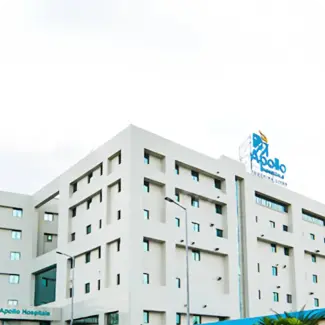
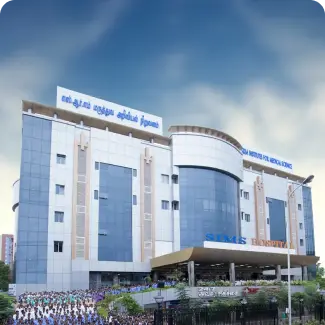
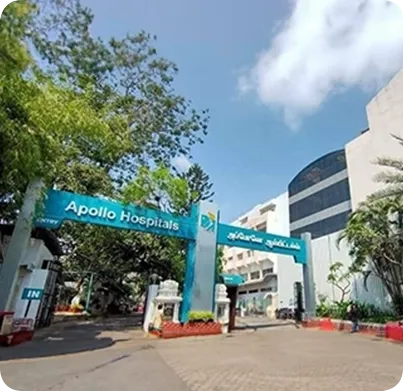
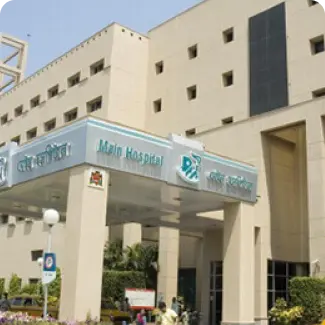
Top hospitals with renowned Orthopaedics department
India’s biggest multi-speciality hospitals are here






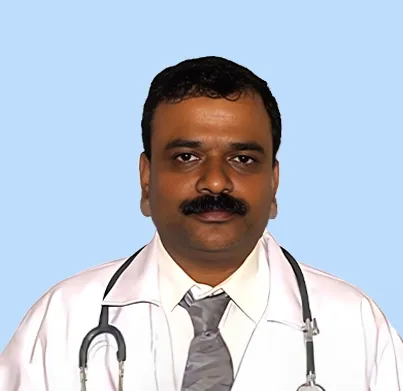
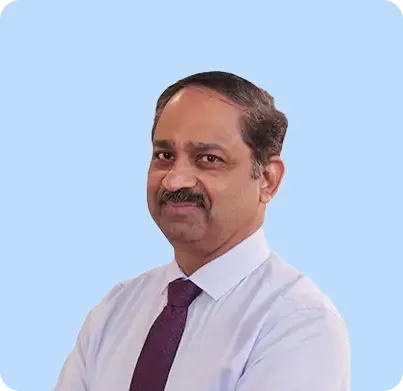
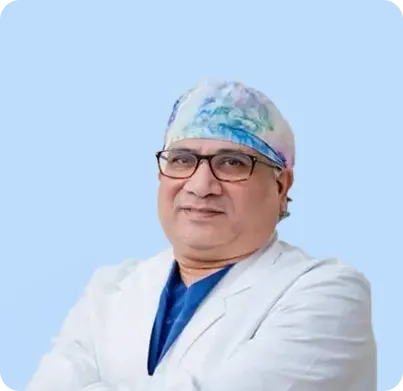
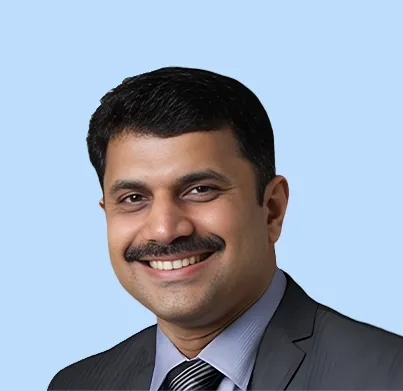
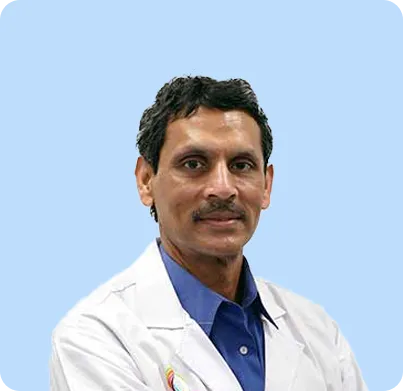
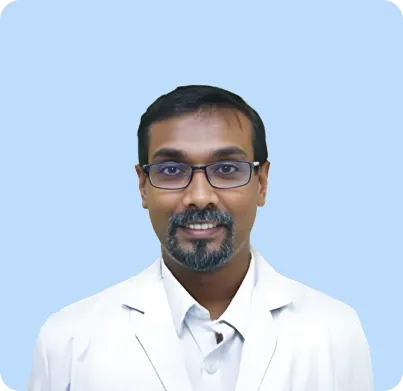
Consult with India’s leading Orthopaedics
Receive exceptional care from the most experienced doctors in India
Commonly Asked Questions
What is orthopaedics, and when should I consult a orthopaedic surgeon?
Orthopaedics is the branch of medicine focused on the diagnosis, treatment, and management of disorders and injuries of the musculoskeletal system. Consult an orthopaedic surgeon if you experience symptoms like joint pain, limited mobility, fractures, sports injuries, or any other musculoskeletal issues.
How do I find the right orthopaedic surgeon for my specific condition?
Karetrip connects you with orthopaedic surgeons based on your specific needs and condition, ensuring you receive tailored care.
What is Karetrip and how can I use it?
Karetrip is your healthcare trip planner that connects you with the world’s premiere hospitals and finest doctors beyond city, state and country limits. You can use it to book an appointment with a doctor, irrespective of your geographic location, and we’ll take care of the rest.
Who will help me to get connected with the doctors?
A patient relationship manager will be assigned to you to prepare your case, and get back to you with a treatment plan, cost of treatment and other useful information like what documents you need to carry and submit.
What are the common conditions treated by orthopaedic surgeons?
Orthopaedic specialists specialise in treating a wide range of conditions such as fractures, arthritis, spinal disorders, sports injuries, joint replacements, and more.
Can I get a second medical opinion from a different orthopaedics through Karetrip?
Yes, we facilitate second medical opinions, connecting you with another specialist to ensure confidence in your treatment plan.
What advanced specialist treatments are available, and do they impact the overall cost?
Explore a range of advanced treatments like minimally invasive surgeries, robotic-assisted surgeries, joint replacements, and regenerative therapies. Costs vary, and our platform strives to provide transparent pricing for informed decision-making.
How can I prepare for a orthopaedics appointment with a specialist?
Make sure you bring your medical history, list of medications, and prepare any questions you may have regarding your treatment. This ensures a comprehensive discussion with your cardiologist.
Are virtual consultations with orthopaedics surgeons available, and do they reduce costs?
Yes, virtual consultations are available for certain cases, providing convenience. Costs may vary, and we strive to offer cost-effective solutions.
How does Karetrip ensure the quality of partnered orthopaedics facilities and specialists?
We rigorously vet facilities and specialists, ensuring they meet high standards. Our NABH accreditation and patient testimonials reflect our commitment to quality care.
Does Karetrip own any hospital?
No, Karetrip operates solely as a platform provider and does not have ownership of any hospitals. It collaborates with a network of esteemed healthcare facilities and medical professionals globally to offer patients access to top-quality care.



"I had a successful surgery at Fortis Escorts Hospital, and it was all thanks to Karetrip's help in finding the right hospital for me. The entire process was smooth and stress-free, with Karetrip handling all the arrangements and answering any questions I had. The medical team at the hospital was outstanding, and the facilities were top-notch. I highly recommend Karetrip to anyone looking for a tension-free healthcare experience."
Read MoreFatima
Chattogram

"Thanks to Karetrip, I got connected with MAX Hospital in New Delhi. The team guided me through every step - from finding the right doctor to handling travel and visas. They made a daunting process feel like a breeze. The care I received at MAX Hospital was outstanding, and I can't thank Karetrip enough for making it possible. They truly put patients first and go the extra mile to ensure a smooth healthcare journey. I'm grateful beyond words!"
Read MoreHasan
Dhaka

"At first, I was unsure about having a medical procedure done in a foreign country. However, Karetrip's team at Indraprastha Apollo Hospital made me feel much better. The hospital was very clean, modern, and had everything they needed to help me. The staff were very kind and did everything they could to make me feel comfortable. I'm really happy with how my treatment turned out, and I appreciate Karetrip for making it easy and stress-free."
Read MoreImran
Sylhet
 Google Reviews4.9/5


I had a successful surgery at Fortis Escorts Hospital, and it was all thanks to Karetrip's help in finding the right hospital for me. The entire process was smooth and stress-free, with Karetrip handling all the arrangements and answering any questions I had. The medical team at the hospital was outstanding, and the facilities were top-notch. I highly recommend Karetrip to anyone looking for a tension-free healthcare experience.
Fatima
Chattogram
Google Reviews4.9/5