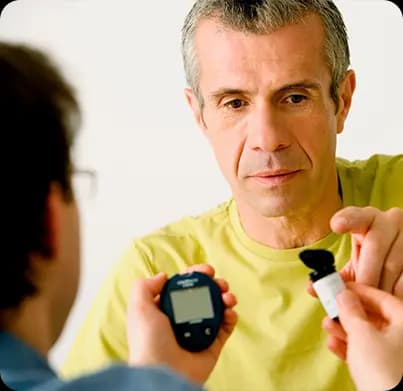
Diabetology & EndocrinologyTravel to India's Best Hospitals for Diabetology & Endocrinology
 Easy Medical Visa Approvals
Comprehensive Treatment Plans
Multi-Language Support
Travel Booking Assistance
Diabetology and Endocrinology are critical departments of medicine that focus on diagnosing, treating, and managing diseases related to hormones and metabolism. Both endocrinologists and diabetologists work with hormonal imbalances, and both may treat patients with diabetes. If you experience symptoms like unexplained weight gain or loss, fatigue, excessive thirst or urination, unexplained changes in appetite, mood swings, or persistent infections, consulting an endocrinologist or diabetologist is crucial for proper evaluation and management of endocrine or metabolic issues. Contact us for expert advice and consultation with leading diabetologists and endocrinologists in India.

Karetrip is now NABH-accredited!

Common Diabetology & Endocrinology Treatments
Get treated by leading Diabetologist and Endocrinologist in India



Your Medical Assistant
Get instant help planning your treatment journey
Your journey to good health begins here

Accredited Hospitals
Nationally accredited hospitals for high-quality care

Multi-language Support
Convey your needs in the language you're most comfortable in

Travel Booking Assistance
Seamless booking assistance for your healthcare journey

Personalised Treatment Plans
A treatment journey tailored to all your preferences and needs

Unparalleled Hospitality
Experience exceptional hospitality during your stay

Easy Medical Visa Approvals
Dedicated assistance for medical visa requirements
Karetrip is now NABH-accredited!

This assures you of unparalleled quality and a seamlessly managed medical travel experience.
Partnered with India’s Biggest Hospitals





Know More about Diabetology and Endocrinology
The department of diabetology offers comprehensive services in diabetes management, including blood glucose monitoring, personalized treatment plans, insulin and medication management, lifestyle and dietary counseling, and education on diabetes self-care whereas the department of endocrinology offers comprehensive services in the evaluation, diagnosis and management of all endocrine disorders such as thyroid disorders, obesity and lipid disorders, growth abnormalities, the disorder of male and female hormones, metabolic bone disorders, osteoporosis etc. Many endocrinologists have significant expertise in diabetes management, and diabetologists often have training in broader endocrine disorders, highlighting the overlap between these fields.
KNOW MORE ABOUT DIABETOLOGY AND ENDOCRINOLOGY
The department of diabetology offers comprehensive services in diabetes management, including blood glucose monitoring, personalized treatment plans, insulin and medication management, lifestyle and dietary counseling, and education on diabetes self-care whereas the department of endocrinology offers comprehensive services in the evaluation, diagnosis and management of all endocrine disorders such as thyroid disorders, obesity and lipid disorders, growth abnormalities, the disorder of male and female hormones, metabolic bone disorders, osteoporosis etc.
Many endocrinologists have significant expertise in diabetes management, and diabetologists often have training in broader endocrine disorders, highlighting the overlap between these fields.
SYMPTOMS OF DIABETES & ENDOCRINE DISORDERS
-
Muscle weakness
-
Unexplained Weight Changes
-
Persistent Fatigue
-
Frequent Urination and Excessive Thirst
-
Hormonal Imbalances
-
Blurred Vision
-
Depression and Mood Swings
-
Frequent Bowel Movements
-
Difficulty in Concentrating
TYPES OF DIABETOLOGICAL DISORDERS
-
Type 1 Diabetes: An autoimmune condition where the immune system attacks and destroys insulin-producing beta cells in the pancreas.
-
Type 2 Diabetes: Characterized by insulin resistance and relative insulin deficiency. The body does not use insulin properly.
-
Prediabetes: Blood sugar levels are higher than normal but not high enough to be diagnosed as Type 2 diabetes.
-
Gestational Diabetes: Diabetes that develops during pregnancy and usually disappears after giving birth.
-
Neonatal Diabetes Mellitus (NDM): A rare form of diabetes that occurs in the first six months of life.
TYPES OF ENDOCRINOLOGY DISORDERS
-
Hypothyroidism: Underactive thyroid gland producing insufficient thyroid hormones. Symptoms include fatigue, weight gain, and depression.
-
Hyperthyroidism: Overactive thyroid gland producing excessive thyroid hormones. Symptoms include weight loss, rapid heartbeat, and nervousness.
-
Polycystic Ovary Syndrome (PCOS): A condition in women characterized by irregular menstrual cycles, excess androgen levels, and polycystic ovaries.
-
Addison’s Disease: Adrenal glands produce insufficient cortisol and aldosterone. Symptoms include fatigue, muscle weakness, and low blood pressure.
-
Pituitary Tumors: Benign or malignant tumors affecting hormone production.
-
Acromegaly: Excess growth hormone production leading to enlarged body parts.
DIAGNOSIS
Diagnosis of diabetological disorders involves assessing symptoms and family history, followed by a physical examination to look for signs of diabetes. Blood tests are crucial, with fasting blood glucose (FBG) measuring sugar levels after fasting, where levels ≥ 126 mg/dL indicate diabetes. Hemoglobin A1c (HbA1c) reflects average blood sugar over 2-3 months, with levels ≥ 6.5% indicating diabetes.
For endocrinological disorders, the diagnostic process also begins with blood tests essential for measuring hormone levels to diagnose various conditions. Thyroid function tests measure levels of TSH, T3, and T4 to identify thyroid disorders such as hypothyroidism and hyperthyroidism.
TREATMENT
The treatment of diabetological disorders varies depending on the type. Type 1 diabetes is managed through lifelong insulin therapy, regular blood sugar monitoring , and lifestyle changes. Type 2 diabetes treatment focuses on lifestyle changes such as diet and exercise, supplemented by oral medications like metformin, sulfonylureas, DPP-4 inhibitors, and SGLT2
Hypothyroidism is treated with levothyroxine to normalize thyroid hormone levels, while hyperthyroidism may require antithyroid medications, radioactive iodine therapy, or thyroidectomy. Management of Polycystic Ovary Syndrome (PCOS), involves lifestyle changes and medications to regulate menstrual cycles and reduce androgen levels.
Overall, the treatment of these disorders is comprehensive and tailored to each patient's specific condition and needs
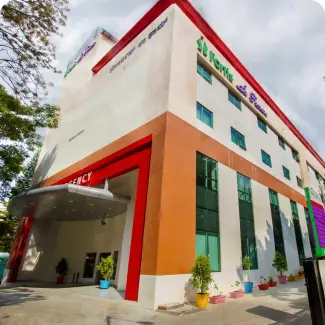
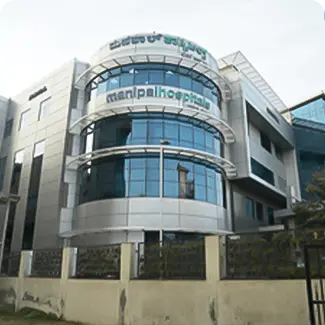
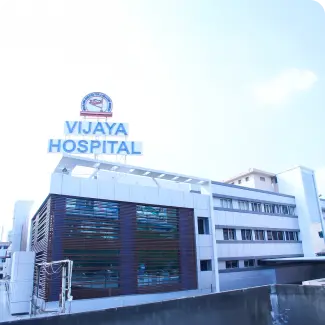
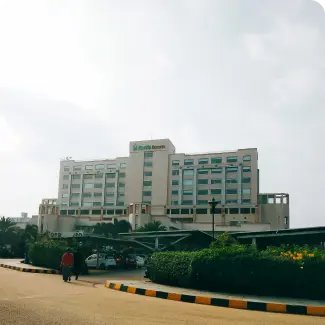
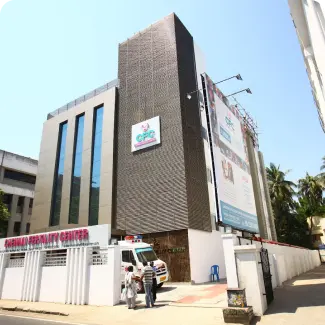
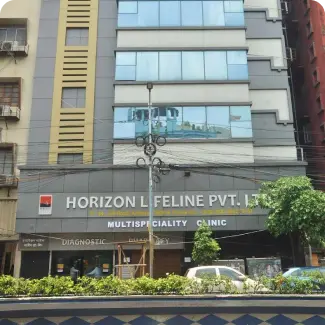
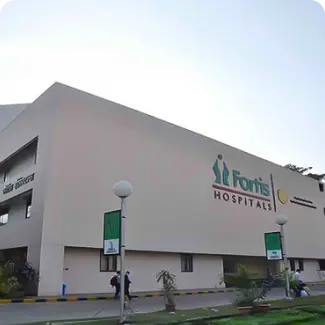
Top Hospitals with Renowned Diabetology & Endocrinology
Access world-class facilities from top hospitals



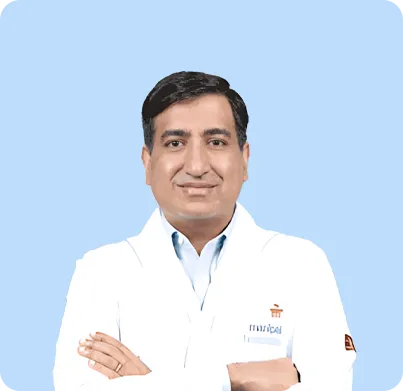
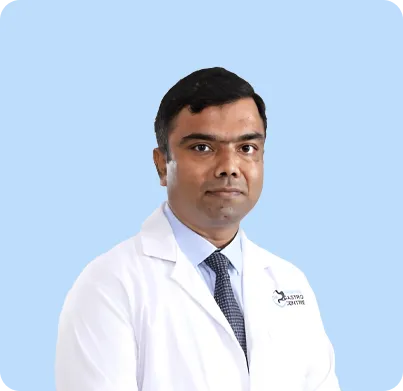
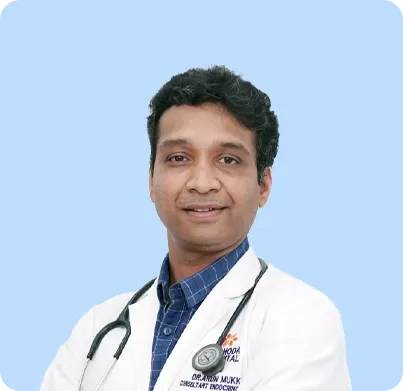
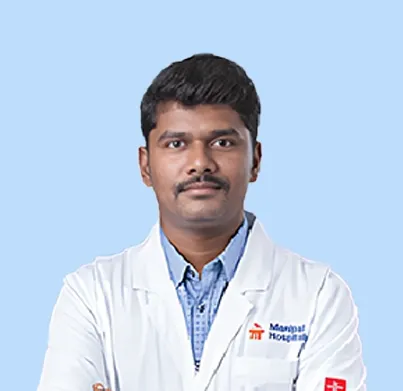
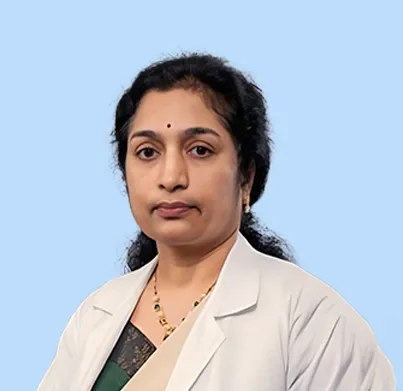
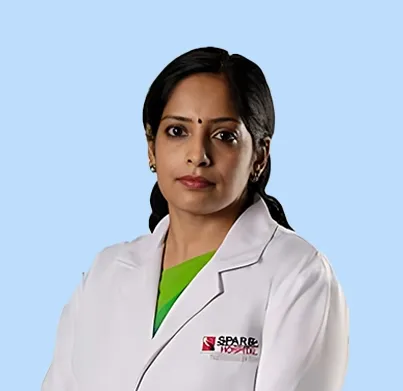
Consult with India’s Leading Diabetologist and Endocrinologist
Experience premium care from leading specialists
Commonly Asked Questions
Can diabetes be cured?
There is currently no cure for diabetes, but it can be managed effectively with lifestyle changes, medications, and regular monitoring.
What is the difference between hyperthyroidism and hypothyroidism?
Hyperthyroidism is when the thyroid gland produces too much thyroid hormone, leading to symptoms like weight loss and rapid heartbeat. Hypothyroidism is when the thyroid gland produces too little thyroid hormone, causing symptoms like weight gain and fatigue.
How are thyroid disorders treated?
Hypothyroidism is treated with synthetic thyroid hormone (levothyroxine), while hyperthyroidism may be treated with antithyroid medications, radioactive iodine, or surgery.
What are the risks of untreated diabetes?
Untreated diabetes can lead to serious complications such as heart disease, stroke, kidney damage, eye problems, nerve damage, and foot problems.
How does stress affect endocrine function?
Chronic stress can lead to elevated levels of cortisol, which can disrupt the balance of other hormones, potentially leading to disorders such as Cushing’s syndrome and impacting blood sugar control.
What is the impact of thyroid disorders on pregnancy?
Thyroid disorders can affect pregnancy outcomes. Hypothyroidism can lead to complications like preterm birth and developmental issues, while hyperthyroidism can cause preterm birth and low birth weight. Proper management is crucial for a healthy pregnancy.
Is there a cure for thyroid disease?
The outcome of thyroid disease varies. While some thyroid disorders can be well managed, a total cure may not be possible in all cases.
Does a diagnosis of type 2 diabetes mean I will have to go on insulin?
No. People with type 2 diabetes may or may not ever need to take insulin injections, depending on several factors, including the timing of diagnosis.



"I had a successful surgery at Fortis Escorts Hospital, and it was all thanks to Karetrip's help in finding the right hospital for me. The entire process was smooth and stress-free, with Karetrip handling all the arrangements and answering any questions I had. The medical team at the hospital was outstanding, and the facilities were top-notch. I highly recommend Karetrip to anyone looking for a tension-free healthcare experience."
Read MoreFatima
Chattogram

"Thanks to Karetrip, I got connected with MAX Hospital in New Delhi. The team guided me through every step - from finding the right doctor to handling travel and visas. They made a daunting process feel like a breeze. The care I received at MAX Hospital was outstanding, and I can't thank Karetrip enough for making it possible. They truly put patients first and go the extra mile to ensure a smooth healthcare journey. I'm grateful beyond words!"
Read MoreHasan
Dhaka

"At first, I was unsure about having a medical procedure done in a foreign country. However, Karetrip's team at Indraprastha Apollo Hospital made me feel much better. The hospital was very clean, modern, and had everything they needed to help me. The staff were very kind and did everything they could to make me feel comfortable. I'm really happy with how my treatment turned out, and I appreciate Karetrip for making it easy and stress-free."
Read MoreImran
Sylhet
 Google Reviews4.9/5


I had a successful surgery at Fortis Escorts Hospital, and it was all thanks to Karetrip's help in finding the right hospital for me. The entire process was smooth and stress-free, with Karetrip handling all the arrangements and answering any questions I had. The medical team at the hospital was outstanding, and the facilities were top-notch. I highly recommend Karetrip to anyone looking for a tension-free healthcare experience.
Fatima
Chattogram
Google Reviews4.9/5