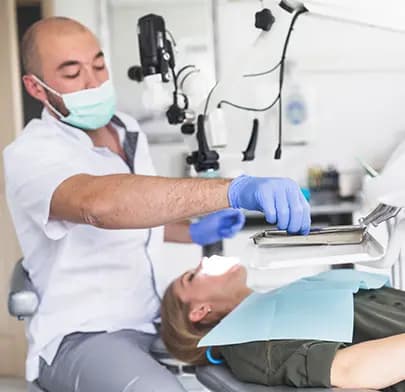
Root Canal Treatment
A root canal is a dental procedure to treat infection or damage within the tooth's pulp, which contains nerves and blood vessels. During the procedure, the infected or damaged pulp is removed, the inside of the tooth is cleaned, disinfected, and filled with a material to seal it. This helps alleviate pain and saves the natural tooth from extraction.
 Free Pick up and Drop
No Cost EMI
Post Surgery Care
A root canal is a dental procedure to treat infection or damage within the tooth's pulp, which contains nerves and blood vessels. During the procedure, the infected or damaged pulp is removed, the inside of the tooth is cleaned, disinfected, and filled with a material to seal it. This helps alleviate pain and saves the natural tooth from extraction.
Symptoms
Symptoms
 Persistent toothache: Continuous or throbbing pain in the tooth, often worsening with pressure or temperature changes, indicating possible pulp inflammation or infection.Sensitivity to hot or cold: Sharp or lingering discomfort when consuming hot or cold foods or beverages due to nerve irritation within the tooth.Swelling or tenderness: Inflammation around the affected tooth, often accompanied by tenderness or swelling in the gums or nearby areas.Discoloration: Darkening or grayish hue of the tooth, suggesting internal damage or decay affecting the pulp.Abscess formation: Development of a pus-filled sac near the tooth root, indicating an advanced infection that may cause severe pain and swelling.
Types of conditions
There are 10 main types of Root Canal Treatment
Cavities (Dental Caries)
Gingivitis
Periodontitis
Tooth Sensitivity
Malocclusion
Tooth Abscess
Oral Cancer
Bruxism
Dry Mouth (Xerostomia)
Dental Trauma
Cavities (Dental Caries)
Decay of tooth enamel and dentin caused by bacteria, leading to holes or cavities in the teeth.
TREATMENT OPTIONS
-
Fillings: Used to repair cavities caused by decay, restoring the tooth's function and structure.
-
Root Canal Therapy: Removes infected or damaged pulp from the tooth's interior, preserving the tooth and alleviating pain.
-
Extraction: Removal of severely damaged or infected teeth, sometimes necessary when other treatments are not viable.
-
Dental Crowns: Caps placed over damaged teeth to restore shape, size, strength, and improve appearance.
-
Dental Implants: Replacement of missing teeth with artificial ones anchored into the jawbone.
-
Dental Bridges: Replace missing teeth by using adjacent teeth as anchors for prosthetic teeth.
-
Orthodontic Treatment: Corrects misaligned teeth and jaws using braces, aligners, or other appliances.
-
Periodontal Treatment: Addresses gum disease through procedures like scaling and root planing or surgical intervention.
-
Dentures: Removable prosthetic devices to replace missing teeth and surrounding tissues.
-
Cosmetic Dentistry: Includes treatments like teeth whitening, veneers, and bonding to enhance the appearance of teeth.
TYPES OF CONDITIONS
-
Cavities (Dental Caries): Decay of tooth enamel and dentin caused by bacteria, leading to holes or cavities in the teeth.
-
Gingivitis: Inflammation of the gums characterized by redness, swelling, and bleeding, often caused by poor oral hygiene.
-
Periodontitis: Advanced gum disease involving the inflammation and infection of the tissues surrounding the teeth, leading to tooth loss if untreated.
-
Tooth Sensitivity: Discomfort or pain when consuming hot, cold, sweet, or acidic foods or beverages, often due to exposed dentin or receding gums.
-
Malocclusion: Misalignment of the teeth or improper positioning of the jaws, which can lead to bite problems, speech difficulties, and jaw pain.
-
Tooth Abscess: Pus-filled sacs caused by bacterial infection in the tooth or gums, often accompanied by severe pain, swelling, and fever.
-
Oral Cancer: Abnormal growth of cells in the mouth or throat, potentially leading to sores, difficulty swallowing, persistent hoarseness, or unexplained bleeding.
-
Bruxism: Involuntary grinding or clenching of the teeth, often occurring during sleep and leading to worn enamel, tooth sensitivity, and jaw pain.
-
Dry Mouth (Xerostomia): Insufficient saliva production, causing discomfort, difficulty swallowing, bad breath, and an increased risk of tooth decay and gum disease.
-
Dental Trauma: Injury to the teeth, gums, or jaws caused by accidents, sports injuries, or other traumatic events, leading to fractures, dislocations, or avulsions.
DIAGNOSIS
-
Visual Examination: Dentists visually inspect the teeth, gums, tongue, and other oral tissues for signs of decay, inflammation, lesions, or abnormalities.
-
X-rays: Dental radiographs provide detailed images of the teeth, bones, and surrounding tissues, helping dentists identify cavities, bone loss, impacted teeth, and other issues not visible to the naked eye.
-
Dental Probing: Dentists use specialized instruments to measure the depth of gum pockets, helping diagnose gum disease and assess periodontal health.
-
Dental Impressions: Molds or impressions of the teeth are taken to evaluate bite alignment, plan orthodontic treatment, or create dental restorations such as crowns or bridges.
-
Saliva Tests: Analysis of saliva samples can help diagnose conditions such as dry mouth, oral infections, or oral cancer.
-
Biopsy: Removal and examination of a small tissue sample from suspicious lesions or growths can help diagnose oral cancer or other pathological conditions.
-
Endodontic Tests: Procedures like percussion tests, palpation, and thermal tests help diagnose conditions affecting the dental pulp, such as pulpitis or root canal infections.
-
Computerized Tomography (CT) Scans: CT scans provide detailed 3D images of the teeth, jawbone, and surrounding structures, useful for assessing complex dental problems or planning oral surgeries.
-
Oral Cancer Screening: Dentists perform visual and tactile examinations of the oral cavity to detect early signs of oral cancer, including suspicious lesions or abnormal tissue changes.
-
Genetic Testing: Genetic analysis may be used to assess an individual's risk for certain dental conditions or to diagnose genetic disorders affecting oral health.
RISK FACTORS
-
Poor Oral Hygiene: Inadequate brushing, flossing, and rinsing can allow plaque buildup, leading to cavities, gum disease, and other oral health problems.
-
Dietary Habits: Consuming foods and beverages high in sugar and acidity increases the risk of cavities and erosion of tooth enamel, contributing to dental issues.
-
Tobacco Use: Smoking and chewing tobacco can cause gum disease, tooth decay, and oral cancer, posing significant risks to dental and overall health.
-
Alcohol Consumption: Excessive alcohol intake can lead to dry mouth, which increases the risk of cavities and gum disease, and heavy drinking is associated with a higher likelihood of oral cancer.
-
Age: Aging increases susceptibility to oral health issues such as gum disease, tooth loss, and oral cancer due to natural wear and tear on teeth and tissues, as well as other age-related health factors.
PREPARING FOR SURGERY
-
Consultation: Schedule a consultation with your dentist or oral surgeon to discuss the procedure, address any concerns, and review your medical history, including medications and allergies.
-
Medical Evaluation: Undergo a thorough medical evaluation to assess your overall health and identify any pre-existing conditions that may affect the surgery or anesthesia.
-
Dental Examination: Have a comprehensive dental examination to assess the condition of your teeth, gums, and surrounding tissues, and to determine the extent of the surgery required.
-
Pre-Surgery Instructions: Follow any specific pre-surgery instructions provided by your dentist or oral surgeon, such as fasting requirements, medication adjustments, or lifestyle changes.
-
Anesthesia Options: Discuss anesthesia options with your dentist or oral surgeon to determine the most suitable choice for your comfort and safety during the procedure.
-
Arrange Transportation: Arrange for transportation to and from the surgery appointment, as you may be unable to drive immediately after the procedure due to the effects of anesthesia.
-
Post-Surgery Care: Prepare your home for post-surgery recovery by stocking up on soft foods, pain medications, and any other supplies recommended by your dentist or oral surgeon.
-
Follow-Up Appointments: Schedule follow-up appointments with your dentist or oral surgeon to monitor your recovery progress and ensure proper healing.
-
Ask Questions: Don't hesitate to ask any questions or voice any concerns you may have about the surgery, anesthesia, or recovery process.
-
Relaxation Techniques: Practice relaxation techniques such as deep breathing or meditation to help reduce anxiety and promote a calm state of mind before the surgery.
TREATMENT DETAILS
Types
-
Fillings: Used to repair cavities caused by decay, restoring the tooth's function and structure.
-
Root Canal Therapy: Removes infected or damaged pulp from the tooth's interior, preserving the tooth and alleviating pain.
-
Extractions: Removal of severely damaged or infected teeth, sometimes necessary when other treatments are not viable.
-
Crowns and Bridges: Crowns are caps placed over damaged teeth to restore shape and function, while bridges replace missing teeth by using adjacent teeth as anchors.
-
Dental Implants: Replacement of missing teeth with artificial ones anchored into the jawbone, providing a permanent solution.
-
Orthodontic Treatment: Corrects misaligned teeth and jaws using braces, aligners, or other appliances.
-
Dentures: Removable prosthetic devices to replace missing teeth and surrounding tissues.
-
Periodontal Treatment: Addresses gum disease through procedures like scaling and root planing or surgical intervention.
-
Cosmetic Dentistry: Includes treatments like teeth whitening, veneers, and bonding to enhance the appearance of teeth.
-
Oral Surgery: Involves surgical procedures such as wisdom teeth extraction, jaw surgery, and tissue grafting to address various dental issues.
RECOVERY
-
Follow Post-Operative Instructions: Carefully follow any post-operative instructions provided by your dentist or oral surgeon. These may include guidelines for managing pain, swelling, bleeding, and medication usage.
-
Manage Discomfort: Take prescribed pain medications as directed by your dentist or oral surgeon to manage discomfort. Over-the-counter pain relievers may also be recommended for mild pain.
-
Control Swelling: Apply ice packs to the affected area for the first 24-48 hours following surgery to reduce swelling. Be sure to follow any specific instructions provided by your dental provider.
-
Maintain Oral Hygiene: Continue to brush and floss your teeth as usual, but avoid the surgical site until it has healed. Your dentist may provide specific instructions for cleaning the area.
-
Eat Soft Foods: Stick to a soft diet for the first few days after surgery to avoid irritating the surgical site. Avoid hard, crunchy, or spicy foods that may cause discomfort or interfere with healing.
-
Stay Hydrated: Drink plenty of fluids, but avoid using straws for the first few days to prevent dislodging blood clots and interfering with healing.
-
Avoid Smoking and Alcohol: Refrain from smoking or drinking alcohol during the recovery period, as these activities can delay healing and increase the risk of complications.
-
Attend Follow-Up Appointments: Schedule and attend any follow-up appointments with your dentist or oral surgeon to monitor your recovery progress and ensure proper healing.
-
Rest and Relaxation: Take it easy and avoid strenuous activities for the first few days after surgery to allow your body to heal properly.
-
Report Any Concerns: If you experience severe pain, excessive bleeding, swelling, or other concerning symptoms, contact your dentist or oral surgeon immediately.
Your journey to good health begins here

Accredited Hospitals
Nationally accredited hospitals for high-quality care

Multi-language Support
Convey your needs in the language you're most comfortable in

Travel Booking Assistance
Seamless booking assistance for your healthcare journey

Personalised Treatment Plans
A treatment journey tailored to all your preferences and needs

Unparalleled Hospitality
Experience exceptional hospitality during your stay

Easy Medical Visa Approvals
Dedicated assistance for medical visa requirements

Your Medical Assistant
Get instant help planning your treatment journey
The best hospitals are partnered with Karetrip
Access world-class facilities from top hospitals










Consult with the most experienced doctors
Experience premium care from leading specialists






Cost estimation
Learn about the expenses involved in the procedure and what factors affect them.

Estimating the cost of surgery involves several factors, including the type of procedure, hospital fees, surgeon's charges, and additional expenses such as anesthesia and post-operative care. Costs can vary widely based on location and the complexity of the surgery. It's essential to consult with healthcare providers, discuss insurance coverage, and inquire about potential out-of-pocket expenses to ensure a comprehensive understanding of the financial aspects associated with the surgical procedure.
Get Cost EstimationThe average cost of Root Canal Treatment in India is around ₹6,000 to ₹12,000.

₹12,000
High Cost
₹9,000
Average Cost
₹6,000
Low Cost
The LIST of AVERAGE COST of the Root Canal Treatment across TOP 5 cities in India in Indian Rupee (INR) is as follows :
City
Lowest Cost
Average Cost
Highest Cost
Mumbai
₹8,000
₹11,500
₹15,000
Pune
₹6,000
₹9,000
₹12,000
New Delhi
₹8,000
₹11,500
₹15,000
Chennai
₹6,000
₹9,000
₹12,000
Bangalore
₹6,000
₹9,000
₹12,000
Commonly Asked Questions
How long does it take to recover from a root canal?
Recovery from a root canal typically takes a few days to a week. You may experience some discomfort and swelling immediately after the procedure, but this should gradually improve with time. Follow your dentist's post-operative instructions for optimal healing.
Are dental implants painful?
The placement of dental implants is typically performed under local anesthesia, so you should not feel pain during the procedure. Some discomfort and swelling may occur afterward, but this can usually be managed with pain medications and should subside within a few days.
How often should I have a dental check-up?
It is generally recommended to visit your dentist for a routine check-up and cleaning every six months. However, your dentist may recommend more frequent visits based on your individual oral health needs.
What can I expect during a tooth extraction?
During a tooth extraction, your dentist will numb the area with local anesthesia to minimize discomfort. The tooth will then be gently loosened and removed from its socket. You may feel some pressure during the procedure, but it should not be painful. Afterward, your dentist will provide instructions for post-extraction care.
How can I prevent cavities?
To prevent cavities, it is important to practice good oral hygiene by brushing your teeth twice a day with fluoride toothpaste, flossing daily, and rinsing with an antimicrobial mouthwash. Additionally, limit sugary and acidic foods and drinks, and visit your dentist regularly for check-ups and cleanings.
Are braces only for children and teenagers?
No, braces can be effective for patients of all ages, including adults. Orthodontic treatment can correct misaligned teeth and bite issues, improving both oral health and aesthetics. Your orthodontist can recommend the best treatment option for your individual needs.



"I had a successful surgery at Fortis Escorts Hospital, and it was all thanks to Karetrip's help in finding the right hospital for me. The entire process was smooth and stress-free, with Karetrip handling all the arrangements and answering any questions I had. The medical team at the hospital was outstanding, and the facilities were top-notch. I highly recommend Karetrip to anyone looking for a tension-free healthcare experience."
Read MoreFatima
Chattogram

"Thanks to Karetrip, I got connected with MAX Hospital in New Delhi. The team guided me through every step - from finding the right doctor to handling travel and visas. They made a daunting process feel like a breeze. The care I received at MAX Hospital was outstanding, and I can't thank Karetrip enough for making it possible. They truly put patients first and go the extra mile to ensure a smooth healthcare journey. I'm grateful beyond words!"
Read MoreHasan
Dhaka

"At first, I was unsure about having a medical procedure done in a foreign country. However, Karetrip's team at Indraprastha Apollo Hospital made me feel much better. The hospital was very clean, modern, and had everything they needed to help me. The staff were very kind and did everything they could to make me feel comfortable. I'm really happy with how my treatment turned out, and I appreciate Karetrip for making it easy and stress-free."
Read MoreImran
Sylhet
 Google Reviews4.9/5


I had a successful surgery at Fortis Escorts Hospital, and it was all thanks to Karetrip's help in finding the right hospital for me. The entire process was smooth and stress-free, with Karetrip handling all the arrangements and answering any questions I had. The medical team at the hospital was outstanding, and the facilities were top-notch. I highly recommend Karetrip to anyone looking for a tension-free healthcare experience.
Fatima
Chattogram
Google Reviews4.9/5