
Maze Procedure
Maze procedure is a type of heart surgery used to treat atrial fibrillation (AFib), a condition causing irregular heart rhythm. By creating a strategic pattern of scar tissue in the heart's upper chambers (atria), the procedure disrupts the abnormal electrical signals responsible for AFib and allows for a normal heartbeat to resume.
Book Your ConsultationMaze procedure is a type of heart surgery used to treat atrial fibrillation (AFib), a condition causing irregular heart rhythm. By creating a strategic pattern of scar tissue in the heart's upper chambers (atria), the procedure disrupts the abnormal electrical signals responsible for AFib and allows for a normal heartbeat to resume.
Symptoms Of Maze Procedure
Symptoms
 Chest Pain
 Dizziness
 Fainting
 Irregular Heartbeats
Types of conditions
There are 0 main types of Maze Procedure
DIAGNOSIS
Physical Examination: During a physical examination, healthcare providers may listen to the heart for irregular rhythms, check for signs of heart failure or other cardiovascular conditions, and assess overall health status. Electrocardiogram (ECG): An ECG is the primary diagnostic test for AF. It records the heart's electrical activity and can detect irregular rhythms characteristic of AF.
Echocardiogram: An echocardiogram uses ultrasound to create images of the heart's structure and function. It may be performed to assess for structural abnormalities, such as valvular disease or cardiomyopathy, that may contribute to AF. Blood Tests: Blood tests may be ordered to assess for underlying conditions that can trigger or worsen AF, such as thyroid disorders or electrolyte imbalances.
CAUSES/RISK FACTORS
- Age: Advanced age generally increases surgical risks.
- Overall Health: Underlying health conditions like chronic lung disease, diabetes, or severe obesity can increase risks.
- History of Bleeding: If you have a bleeding disorder or take medications that thin your blood, it can increase bleeding risks during surgery.
- Previous Heart Surgery: Prior surgeries on the heart or chest can increase the complexity of the Maze procedure.
PREPARING FOR SURGERY
Before undergoing a Maze procedure, you'll likely encounter several steps to prepare for a successful surgery and recovery. Here's a breakdown of what you can expect:
Pre-surgical Evaluation:
- Detailed discussion with your doctor: This will involve a thorough review of your medical history, symptoms, and overall health. Discuss any medications you're taking and allergies you have.
- Diagnostic Tests: You'll likely undergo tests like electrocardiograms (ECGs), echocardiograms (echos), chest X-rays, and blood tests. These provide detailed information about your heart function and overall health.
- Informed Consent: Once you understand the procedure, risks, and benefits, you'll be asked to sign an informed consent form acknowledging your decision to proceed.
Medical Management:
- Medications: Your doctor may adjust or temporarily stop certain medications, especially blood thinners, several days before surgery to minimize bleeding risks.
- Smoking Cessation: If you smoke, quitting well in advance of surgery is crucial. Smoking can impair healing and increase surgical risks. Logistics and Self-Care:
- Fasting Instructions: You'll likely receive specific instructions about avoiding food and drinks after midnight the day before surgery to prevent complications during anesthesia.
- Showering/Bathing: Pre-surgical showers or baths with specific soap might be recommended to minimize infection risks.
- Clothing: Loose and comfortable clothing is recommended for the day of surgery and the initial recovery period.
- Arranging Transportation and Support: Plan for transportation assistance after surgery as you'll likely be unable to drive yourself home. Having a friend or family member available for support during recovery is also helpful.
Remember, these are general guidelines. Your doctor will provide specific instructions tailored to your individual needs and health condition. Close communication with your doctor throughout the preparation process is vital for a smooth surgery and optimal recovery.
TREATMENT DETAILS
There isn't a wide variety of types of Maze procedures itself, as it's a specific surgical approach. However, there are variations based on:
Surgical Approach:
- Standard Maze: This is the most common type, performed through a full sternotomy (chest bone incision) and cardiopulmonary bypass (heart-lung machine usage).
- Minimally invasive Maze (Mini-Maze): This less invasive approach is still under development and research. It may involve smaller chest incisions and thoracoscopic techniques (using a camera and instruments inserted through small openings).
Energy source for Scar Tissue Creation:
- Radiofrequency Maze (Cox-Maze IV): This is the current gold standard, using radiofrequency ablation to create the scar tissue pattern.
- Cryoablation Maze: This technique utilizes extreme cold to achieve the same goal.
- Scalpel Maze: While less common, some surgeons may use precise scalpel incisions for scar tissue creation.
While these variations exist, it's important to remember that a true Maze procedure involves a comprehensive ablation pattern targeting both atria according to a standardized technique. More limited ablation procedures for AFib, like pulmonary vein isolation, wouldn't be classified as Maze procedures.
Technology Used
Energy Ablation:
- Radiofrequency ablation (RFA): This uses radiofrequency energy delivered through a catheter to create heat and targeted destruction of tissue, forming scar tissue.
- Cryoablation: This method employs extreme cold delivered through a catheter to freeze and destroy tissue, leading to scar formation.
Surgical Incisions:
- Scalpel: In some cases, the surgeon may use a scalpel to create precise incisions in the heart tissue, ultimately leading to scar formation as the area heals.
RECOVERY
- Recovery from the Maze procedure typically takes a month or more.
- The success rate for a Maze procedure is high, with an 80-90% chance of restoring a normal heart rhythm.
- Regular follow-up appointments are crucial to monitor the effectiveness of the procedure and adjust medications if necessary.
Your journey to good health begins here

Accredited Hospitals
Nationally accredited hospitals for high-quality care

Multi-language Support
Convey your needs in the language you're most comfortable in

Travel Booking Assistance
Seamless booking assistance for your healthcare journey

Personalised Treatment Plans
A treatment journey tailored to all your preferences and needs

Unparalleled Hospitality
Experience exceptional hospitality during your stay

Easy Medical Visa Approvals
Dedicated assistance for medical visa requirements

Your Medical Assistant
Get instant help planning your treatment journey
The best hospitals are partnered with Karetrip
Access world-class facilities from top hospitals








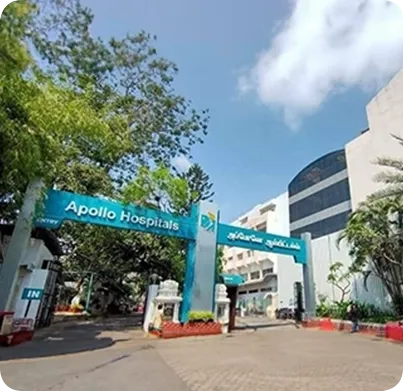

Consult with the most experienced doctors
Experience premium care from leading specialists






Cost estimation
Learn about the expenses involved in the procedure and what factors affect them.

Several factors can affect the cost estimation in maze procedure.
-
Hospital type and location: Treatment costs can vary depending on the hospital's reputation, location (urban vs. rural areas), and the overall cost of living in the region. High-end hospitals and major cities tend to have higher charges.
-
Surgeon's fees and experience: The experience and reputation of the surgeon performing the surgery can influence their fees.
-
Facility fees: Costs associated with using the hospital's surgical suites, and other resources contribute to the overall bill.
-
Anesthesia fees: The type of anesthesia used during surgery (general vs. local) can affect the cost.
-
Medications: The specific medications used can be very expensive.
-
Length of hospital stay: Complications or additional procedures during treatment can lead to a longer stay, increasing the cost.
-
Insurance coverage: Deductibles, co-pays, and out-of-pocket expenses will vary depending on your insurance plan. Some plans may have limited coverage for certain treatments or medications.
The average cost of Maze Procedure in India is around ₹2,50,000 to ₹4,80,000.

₹4,80,000
High Cost
₹3,00,000
Average Cost
₹2,50,000
Low Cost
The LIST of AVERAGE COST of the Maze Procedure across TOP 4 cities in India in Indian Rupee (INR) is as follows :
City
Lowest Cost
Average Cost
Highest Cost
Mumbai
₹2,50,000
₹3,50,000
₹4,50,000
Delhi
₹2,40,000
₹3,40,000
₹4,80,000
Hyderabad
₹2,50,000
₹3,00,000
₹4,00,000
Chennai
₹2,60,000
₹3,40,000
₹4,70,000
Commonly Asked Questions
What is the Maze procedure?
The Maze procedure is a heart surgery used to treat atrial fibrillation (AFib) by creating a maze-like pattern of scar tissue in the heart's upper chambers.
Who is a candidate for the Maze procedure?
This surgery is typically considered for patients with AFib who haven't responded well to other treatments, can't tolerate medications, or need open-heart surgery for another reason (like mitral valve disease) and can have the Maze procedure done at the same time.
What are the benefits of the Maze procedure?
Benefits include improved AFib symptoms (palpitations, shortness of breath), reduced risk of complications (stroke, heart failure), and potentially a long-term cure for AFib.
What are the risks of the Maze procedure?
Risks include bleeding, infection, stroke, damage to surrounding heart structures, and needing a pacemaker due to irregular heart rhythm.
Is the Maze procedure a minimally invasive surgery?
No, it's an open-heart surgery requiring a chest incision (sternotomy) and cardiopulmonary bypass (heart-lung machine).
What happens during the Maze procedure?
The surgeon creates scar tissue using techniques like scalpel incisions, radiofrequency ablation (heat), or cryoablation (cold) in a maze-like pattern within the atria. After completion, the heart is restarted, and the incision is closed.
How long is the recovery from the Maze procedure?
Recovery typically takes a month or more.
What is the success rate of the Maze procedure?
The success rate is high, with an 80-90% chance of restoring a normal heart rhythm.
Are there any alternatives to the Maze procedure?
Yes, catheter ablation is a minimally invasive option where electrodes are inserted through catheters to create scar tissue. However, the Maze procedure may offer a higher success rate for some patients.



"I had a successful surgery at Fortis Escorts Hospital, and it was all thanks to Karetrip's help in finding the right hospital for me. The entire process was smooth and stress-free, with Karetrip handling all the arrangements and answering any questions I had. The medical team at the hospital was outstanding, and the facilities were top-notch. I highly recommend Karetrip to anyone looking for a tension-free healthcare experience."
Read MoreFatima
Chattogram

"Thanks to Karetrip, I got connected with MAX Hospital in New Delhi. The team guided me through every step - from finding the right doctor to handling travel and visas. They made a daunting process feel like a breeze. The care I received at MAX Hospital was outstanding, and I can't thank Karetrip enough for making it possible. They truly put patients first and go the extra mile to ensure a smooth healthcare journey. I'm grateful beyond words!"
Read MoreHasan
Dhaka

"At first, I was unsure about having a medical procedure done in a foreign country. However, Karetrip's team at Indraprastha Apollo Hospital made me feel much better. The hospital was very clean, modern, and had everything they needed to help me. The staff were very kind and did everything they could to make me feel comfortable. I'm really happy with how my treatment turned out, and I appreciate Karetrip for making it easy and stress-free."
Read MoreImran
Sylhet
 Google Reviews4.9/5


I had a successful surgery at Fortis Escorts Hospital, and it was all thanks to Karetrip's help in finding the right hospital for me. The entire process was smooth and stress-free, with Karetrip handling all the arrangements and answering any questions I had. The medical team at the hospital was outstanding, and the facilities were top-notch. I highly recommend Karetrip to anyone looking for a tension-free healthcare experience.
Fatima
Chattogram
Google Reviews4.9/5