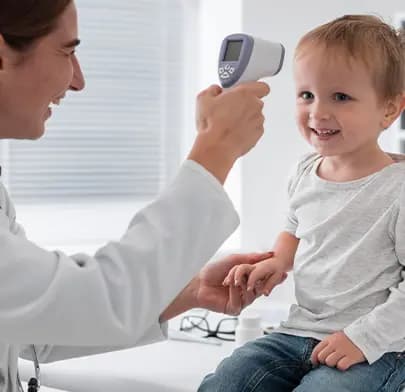
Paediatric Neurology
Paediatric neurology refers to a specialized branch of medicine that deals with the diagnosis and management of neurological conditions in neonates (newborns), infants, children, and adolescents. It encompasses diseases and disorders of the spinal cord, brain, peripheral nervous system (PNS), autonomic nervous system (ANS), muscles, and blood vessels that affect individuals in these age groups.
 Free Pick up and Drop
No Cost EMI
Post Surgery Care
Paediatric neurology refers to a specialized branch of medicine that deals with the diagnosis and management of neurological conditions in neonates (newborns), infants, children, and adolescents. It encompasses diseases and disorders of the spinal cord, brain, peripheral nervous system (PNS), autonomic nervous system (ANS), muscles, and blood vessels that affect individuals in these age groups.
When Should You See a Paediatric Neurologist?
Symptoms
The symptoms of paediatric neuro deformities are seen at the developing age of the child; some of the common symptoms are:
 Weak bones and musclesPain & SeizuresDifficulty in doing any activityPoor cognitive skills
Types of conditions
There are 0 main types of Paediatric Neurology
DIAGNOSIS AND TESTS
Paediatric neurology diagnostic tests are medical procedures and evaluations used to assess the function and structure of the nervous system in children. These tests are crucial for accurate diagnosis and formulation of appropriate treatment plans. The choice of diagnostic tests depends on the specific neurological condition being investigated. Some common pediatric neurology diagnostic tests include:
- Neurological Examination:
A comprehensive physical and neurological examination is the first step in diagnosing neurological conditions in children. The pediatric neurologist assesses the child's motor skills, reflexes, sensory abilities, coordination, and cognitive function.
-
Electroencephalogram (EEG): EEG is a test that records the electrical activity of the brain through electrodes placed on the scalp. It is commonly used to evaluate seizures and epileptic activity in children.
-
Magnetic Resonance Imaging (MRI): MRI uses powerful magnets and radio waves to produce detailed images of the brain and spinal cord. It helps identify structural abnormalities, tumors, bleeding, and other brain-related issues.
-
Computed Tomography (CT) Scan: CT scan is a type of X-ray that provides cross-sectional images of the brain and is used to detect head injuries, bleeding, and skull fractures.
-
Electromyography (EMG): EMG measures the electrical activity of muscles to assess nerve and muscle function, helping in the diagnosis of neuromuscular disorders.
-
Nerve Conduction Studies (NCS): NCS measures how well electrical impulses travel along the nerves, helping diagnose nerve damage or peripheral nerve disorders.
-
Genetic Testing: Genetic testing can identify specific genetic mutations associated with neurological conditions, helping diagnose conditions with a genetic basis.
-
Metabolic Testing: Metabolic testing involves analyzing blood and urine samples to assess metabolic abnormalities, which may be relevant for some neurodegenerative or metabolic disorders.
-
Evoked Potential Tests: These tests assess the speed and strength of the brain's response to specific stimuli, such as visual or auditory stimuli, to evaluate nerve function.
-
Lumbar Puncture (Spinal Tap): Lumbar puncture involves the removal of cerebrospinal fluid (CSF) from the spinal canal for analysis, aiding in the diagnosis of infections and certain neurological disorders.
-
Neuropsychological Testing: Neuropsychological assessments evaluate cognitive function, memory, language skills, and executive functions to assess brain function and detect cognitive impairments.
-
Sleep Studies (Polysomnography): Polysomnography is used to diagnose sleep disorders in children, such as sleep apnea or narcolepsy. The selection of diagnostic tests depends on the child's symptoms, medical history, and suspected neurological condition. Paediatric neurologists work closely with other specialists and healthcare professionals to interpret test results accurately and formulate the most appropriate treatment plan for each child.
WHAT TREATMENT OPTIONS ARE AVAILABLE ?
Because of technology advancements and research-driven discoveries, there are a variety of paediatric neurology treatment choices currently available to parents. Your child’s treatment options may include one or more of the following, based on their condition:
Medication
For certain neurological diseases, medication may help control discomfort and reduce side effects. If your kid has a particular medical issue, the alternatives accessible to you may differ. Paediatric neurologists will go through the pros and cons of medication with you in greater detail.
Neurological Rehabilitation
When viruses target the nerves or nervous system and cause neurological illnesses or disorders, one therapeutic option is neurological rehabilitation. Stroke, traumatic brain injury, degenerative disease, and infection are among diseases for which neurological rehabilitation is used. Rehab may assist in regaining impaired functions and in reducing symptoms. The team of professionals will prepare a treatment plan for your kid after thoroughly evaluating your child’s health.
Therapies Your child’s paediatric neurologist may suggest the following treatments if mobility or speech are problematic for your child:
- Physical therapy
- Occupational therapy
- Speech therapy While focusing on different aspects of care, each of these treatments also works in conjunction with the others when appropriate to give a better chance for success.
Neurosurgery
Surgery is sometimes the best choice for treating some illnesses. Several facilities provide spine, vascular neurosurgery, malignancies, and disorders including Chiari and Hydrocephalus with neurosurgery as a therapy option. Paediatric neurosurgeons are trained to provide excellent pre, during, and post-operative care for your kid.
WHAT ARE THE EFFECTS / RISKS ASSOCIATED WITH NEUROLOGIC DISORDERS ?
The common Health issues cause due to neurologic disorders are:
-
ADHD– Attention Deficit Hyperactivity is one of the common mental issues in children, in which they are unable to stay alert and perform certain activities
-
Autism- it is also one of the developmental disorders in which a disabled kid is not able to communicate and interact appropriately.
-
Dyspraxia The neurologic disorder affects the child’s agility and physical movements. However, it does not affect the intelligence level.
-
Cerebral Palsy- It is a common disorder in which a kid is not able to perform certain activities related to motto skills that require working together with the nervous system and body parts.
Therefore, there are various paediatric neuro disorders. The systematic approach to the disorder can help to cure it. The condition affects the child’s physical movement and behaviour; however, proper medications and Therapies under expert medical practitioners can help the child for better recovery.
Your journey to good health begins here

Accredited Hospitals
Nationally accredited hospitals for high-quality care

Multi-language Support
Convey your needs in the language you're most comfortable in

Travel Booking Assistance
Seamless booking assistance for your healthcare journey

Personalised Treatment Plans
A treatment journey tailored to all your preferences and needs

Unparalleled Hospitality
Experience exceptional hospitality during your stay

Easy Medical Visa Approvals
Dedicated assistance for medical visa requirements

Your Medical Assistant
Get instant help planning your treatment journey
The best hospitals are partnered with Karetrip
Access world-class facilities from top hospitals






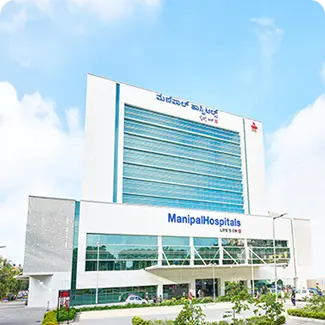
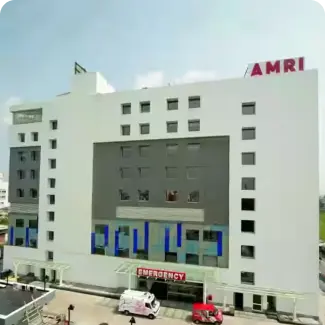

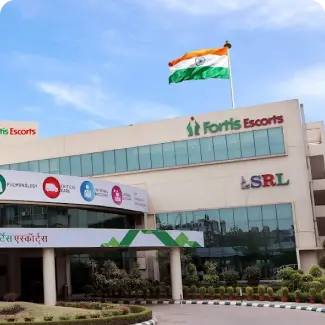
Consult with the most experienced doctors
Experience premium care from leading specialists





Cost estimation
Learn about the expenses involved in the procedure and what factors affect them.

Estimating the cost of surgery involves several factors, including the type of procedure, hospital fees, surgeon's charges, and additional expenses such as anesthesia and post-operative care. Costs can vary widely based on location and the complexity of the surgery. It's essential to consult with healthcare providers, discuss insurance coverage, and inquire about potential out-of-pocket expenses to ensure a comprehensive understanding of the financial aspects associated with the surgical procedure.
Get Cost EstimationThe average cost of Paediatric Neurology in India is around to .

High Cost
Average Cost
Low Cost
The LIST of AVERAGE COST of the Paediatric Neurology across TOP 0 cities in India in Indian Rupee (INR) is as follows :
City
Lowest Cost
Average Cost
Highest Cost
Commonly Asked Questions
What Types Of Disorders Do Paediatric Neurologists Treat And Diagnose?
There are a wide variety of disorders that a neurologist might treat, some of the most common are headache management, diagnosis of seizures, Epilepsy, Autism, Celebral Palsy, Multiple Sclerosis, movement disorders, traumatic brain injury, infections of the brain, Attention Deficit, and stroke
When should a parent take their child to see a paediatric neurologist?
There are many symptoms that may bring families to a child neurology clinic. Dr. Rao said common concerns of families in her clinic include but are not limited to:
- Headaches
- Seizures
- Staring episodes (or “spacing out”)
- Decline in school performance
- Concern for learning difficulties
- Concern for ADD/ADHD
- Concern for autism, or movement concerns.
- Movement concerns that may include muscle stiffness, weakness
What is the difference between child neurology and adult neurology?
Child neurology has overlap with adult neurology in that both children and adults can get neurological issues such as headaches or seizures. Child neurology differs from adult neurology in that causes and treatments can be different for children than they would be for adults.
What should one bring To their first appointment?
Please bring any paperwork you would like the doctor to review at your child’s appointment (ie. previous test results, report cards, other doctors notes)
How can I help my child cope with a neurological condition?
Supporting your child involves providing emotional support, working closely with healthcare providers to manage their condition, and ensuring they receive any necessary therapy or interventions.
What resources are available for parents of children with neurological conditions?
There are various resources available, including support groups, online forums, educational materials, and organizations dedicated to specific neurological conditions. Your pediatric neurologist can also guide you to appropriate resources.
What can I do to prepare for my child's visit to a paediatric neurologist?
To prepare for your child's visit, bring a list of symptoms, any previous medical records or test results, and a list of medications your child is taking. Be ready to discuss your child's medical history and any concerns.



"I had a successful surgery at Fortis Escorts Hospital, and it was all thanks to Karetrip's help in finding the right hospital for me. The entire process was smooth and stress-free, with Karetrip handling all the arrangements and answering any questions I had. The medical team at the hospital was outstanding, and the facilities were top-notch. I highly recommend Karetrip to anyone looking for a tension-free healthcare experience."
Read MoreFatima
Chattogram

"Thanks to Karetrip, I got connected with MAX Hospital in New Delhi. The team guided me through every step - from finding the right doctor to handling travel and visas. They made a daunting process feel like a breeze. The care I received at MAX Hospital was outstanding, and I can't thank Karetrip enough for making it possible. They truly put patients first and go the extra mile to ensure a smooth healthcare journey. I'm grateful beyond words!"
Read MoreHasan
Dhaka

"At first, I was unsure about having a medical procedure done in a foreign country. However, Karetrip's team at Indraprastha Apollo Hospital made me feel much better. The hospital was very clean, modern, and had everything they needed to help me. The staff were very kind and did everything they could to make me feel comfortable. I'm really happy with how my treatment turned out, and I appreciate Karetrip for making it easy and stress-free."
Read MoreImran
Sylhet
 Google Reviews4.9/5


I had a successful surgery at Fortis Escorts Hospital, and it was all thanks to Karetrip's help in finding the right hospital for me. The entire process was smooth and stress-free, with Karetrip handling all the arrangements and answering any questions I had. The medical team at the hospital was outstanding, and the facilities were top-notch. I highly recommend Karetrip to anyone looking for a tension-free healthcare experience.
Fatima
Chattogram
Google Reviews4.9/5