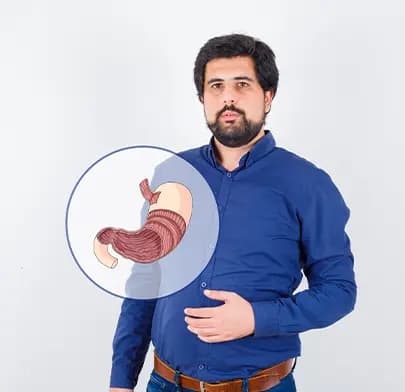
Sleeve Gastrectomy
Sleeve gastrectomy, also known as gastric sleeve surgery, is a surgical procedure to reduce the size of the stomach by about 75%, leaving a narrow "sleeve-like" tube. This procedure is typically performed to help individuals with severe obesity lose weight and improve obesity-related health conditions. Surgeons performing sleeve gastrectomy are specialized in bariatric surgery and are experienced in addressing the unique needs of patients undergoing weight loss procedures.
 Free Pick up and Drop
No Cost EMI
Post Surgery Care
Sleeve gastrectomy, also known as gastric sleeve surgery, is a surgical procedure to reduce the size of the stomach by about 75%, leaving a narrow "sleeve-like" tube. This procedure is typically performed to help individuals with severe obesity lose weight and improve obesity-related health conditions. Surgeons performing sleeve gastrectomy are specialized in bariatric surgery and are experienced in addressing the unique needs of patients undergoing weight loss procedures.
Symptoms of Sleeve Gastrectomy
Symptoms
 Excessive weight gain or obesityHigh blood pressureType 2 diabetesHigh cholesterolSleep apnea Joint painLow self-esteem or depression
Types of conditions
There are 0 main types of Sleeve Gastrectomy
Treatment Options
Sleeve Gastrectomy
A surgical procedure to reduce the size of the stomach, limiting food intake and promoting weight loss.
Diagnosis
-
Physical Examination: Assessing body mass index (BMI) and obesity-related health conditions.
-
Medical History: Evaluating the patient's medical history, previous weight loss attempts, and overall health status.
-
Psychological Evaluation: Identifying psychological factors and ensuring readiness for surgery.
Causes/Risk Factors
- Severe Obesity: Individuals with a BMI of 40 or higher (or 35 or higher with obesity-related health conditions) are candidates for sleeve gastrectomy.
- Failed Weight Loss Attempts: Patients who have tried other weight loss methods without success may opt for surgery.
- Obesity-Related Health Conditions: Conditions such as type 2 diabetes, high blood pressure, or sleep apnea may indicate the need for surgical intervention.
Preparing for Surgery
-
Pre-surgical Management Optimizing Health: Patients are advised to make necessary lifestyle changes, including dietary adjustments and cessation of smoking, to improve overall health before surgery.
-
Pre-operative Testing: Blood tests, imaging studies such as X-rays or CT scans, and nutritional assessments are conducted to evaluate the patient's health status and identify any potential risks.
Patient Education: Patients are provided with detailed information about the surgical procedure, expected outcomes, potential risks, and post-operative care requirements. Post-surgical Care Medications: Prescribed medications include pain management drugs, antibiotics to prevent infections, and possibly supplements to support nutritional needs.
Therapies: Patients may undergo physical therapy to aid in recovery, improve mobility, and strengthen muscles. Nutritional counseling may also be provided to ensure proper dietary habits post-surgery.
- Follow-up Visits: Regular follow-up appointments are scheduled to monitor the patient's progress, address any concerns or complications, and adjust treatment plans as necessary.
Treatment Details Technology used:
Imaging Technologies
- CT Scan (Computed Tomography): Provides detailed images of the stomach and surrounding structures, aiding in surgical planning and assessment of the patient's anatomy
- MRI (Magnetic Resonance Imaging): Offers high-resolution images of soft tissues, assisting in the evaluation of the gastrointestinal tract and potential complications.
- Ultrasound: Both abdominal and endoscopic ultrasound (EUS) are used to visualize the pancreas and guide biopsies.
Surgical Technologies
- Laparoscopic Instruments: Minimally invasive surgical tools, including cameras and specialized instruments, are used to perform sleeve gastrectomy through small incisions in the abdomen.
- Robotic-Assisted Surgery: Advanced robotic systems such as the Da Vinci Surgical System can enhance precision, flexibility, and control during the procedure. This technology allows for better visualization and manipulation of delicate tissues.
- Intraoperative Ultrasound: Used during surgery to provide real-time imaging and guidance, ensuring accurate resection and minimizing damage to surrounding tissues.
Recovery
- Enhanced Recovery After Surgery (ERAS) Protocols: Utilizes a combination of advanced pain management techniques, nutritional support, and mobilization strategies to accelerate recovery.
- Nutritional Support System: Intravenous (IV) nutrition and feeding tubes may be used initially to ensure the patient receives adequate nutrients during the recovery phase.
- Advanced Wound Care: Technologies such as negative pressure wound therapy (NPWT) may be used to promote healing and reduce the risk of infection in surgical incisions.
- Follow-up: Regular visits to monitor recovery, manage any complications, and adjust treatment plans.
- Return to Normalcy: Recovery time varies; most children gradually return to their usual activities with an improved quality of life.
Your journey to good health begins here

Accredited Hospitals
Nationally accredited hospitals for high-quality care

Multi-language Support
Convey your needs in the language you're most comfortable in

Travel Booking Assistance
Seamless booking assistance for your healthcare journey

Personalised Treatment Plans
A treatment journey tailored to all your preferences and needs

Unparalleled Hospitality
Experience exceptional hospitality during your stay

Easy Medical Visa Approvals
Dedicated assistance for medical visa requirements

Your Medical Assistant
Get instant help planning your treatment journey
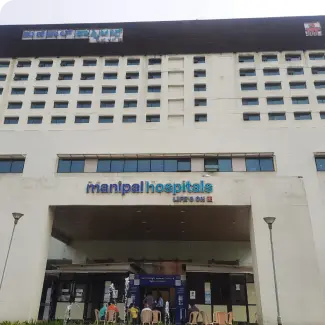
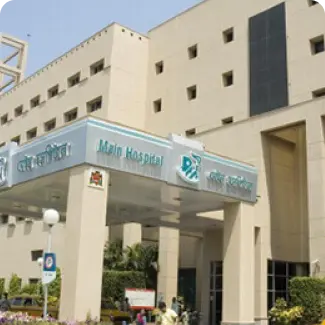
The best hospitals are partnered with Karetrip
Access world-class facilities from top hospitals





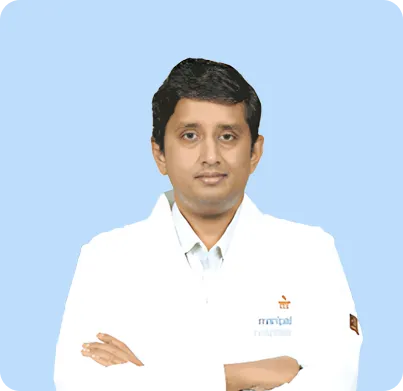
Consult with the most experienced doctors
Experience premium care from leading specialists

Cost estimation
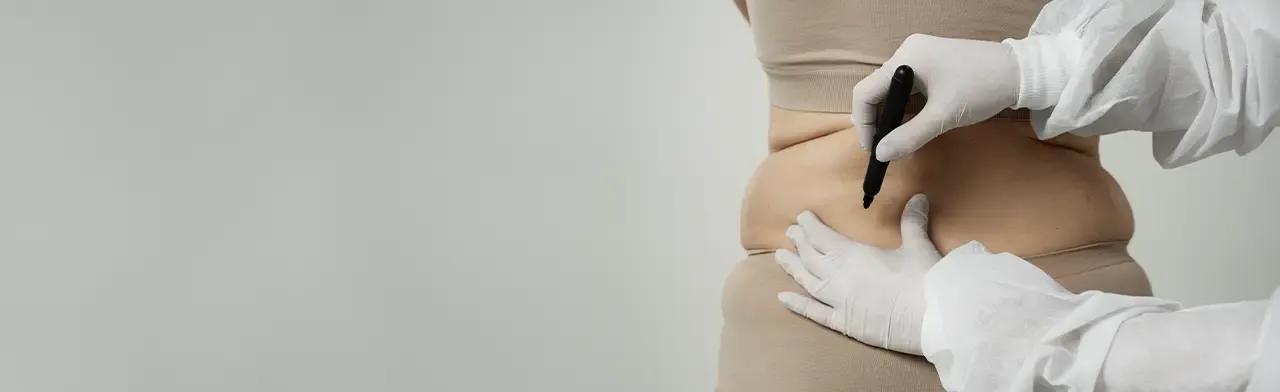
Learn about the expenses involved in the procedure and what factors affect them.
-
Type of procedure: Sleeve gastrectomy is a significant surgical intervention and may incur higher costs compared to non-surgical weight loss methods
-
Surgeon fees: Highly experienced or specialized surgeons may charge higher fees.
-
Anesthesia fees: Costs vary depending on the type and duration of anesthesia required.
-
Diagnostic tests: Pre-operative tests, such as imaging studies, can add to the cost.
-
Hospital or surgical facility fees: These vary widely, with specialized cosmetic surgery centers typically costing more.
-
Geographic location: Costs are generally higher in major metropolitan areas.
-
Post-operative care: Follow-up visits, medications, and any necessary revisions or additional treatments can increase overall costs.
-
Medical devices: Surgical staples, drains, and other medical devices used during and after surgery may contribute to the overall expense.
The average cost of Sleeve Gastrectomy in India is around ₹2,50,000 to ₹ 5,00,000.

₹ 5,00,000
High Cost
₹3,60,000
Average Cost
₹2,50,000
Low Cost
The LIST of AVERAGE COST of the Sleeve Gastrectomy across TOP 4 cities in India in Indian Rupee (INR) is as follows :
City
Lowest Cost
Average Cost
Highest Cost
Mumbai
₹ 250000
₹3,60,000
₹ 5,00,000
Delhi
₹ 250000
₹3,60,000
₹ 5,00,000
Hyderabad
₹250000
₹ 3,60,000
₹ 5,00,000
Chennai
₹2,50,000
₹3,60,000
₹ 5,00,000
Commonly Asked Questions
What is sleeve gastrectomy?
Sleeve gastrectomy, also known as gastric sleeve surgery, is a surgical weight loss procedure where a large portion of the stomach is removed, leaving a smaller, sleeve-shaped stomach.
Who is a candidate for sleeve gastrectomy?
Candidates for sleeve gastrectomy are typically individuals with a body mass index (BMI) of 40 or higher, or a BMI of 35 or higher with obesity-related health conditions such as diabetes or high blood pressure.
How does sleeve gastrectomy help with weight loss?
Sleeve gastrectomy reduces the size of the stomach, restricting the amount of food that can be eaten at one time. This leads to reduced calorie intake, promoting weight loss.
Is sleeve gastrectomy reversible?
Sleeve gastrectomy is not reversible in the traditional sense, as the removed portion of the stomach is permanently excised. However, the procedure can sometimes be converted to other weight loss surgeries if necessary.
What are the potential risks and complications of sleeve gastrectomy?
Risks and complications include infection, bleeding, leakage from staple lines, blood clots, vitamin deficiencies, and gastrointestinal issues such as acid reflux
How much weight can I expect to lose with sleeve gastrectomy?
Weight loss varies from person to person but typically ranges from 50% to 70% of excess body weight within the first two years following surgery.
What dietary changes are necessary after sleeve gastrectomy?
Patients are required to follow a strict diet post-surgery, gradually transitioning from clear liquids to solid foods. Portion control, balanced nutrition, and avoiding high-calorie, high-sugar foods are crucial for success.
Will I need to take vitamins or supplements after sleeve gastrectomy?
Yes, patients will need to take vitamin and mineral supplements, including calcium, vitamin D, vitamin B12, and iron, to prevent deficiencies due to reduced food intake and absorption.
How long is the recovery period after sleeve gastrectomy?
Recovery time varies, but most patients can return to work and normal activities within 2 to 4 weeks after surgery. However, it may take several months to fully recover and adapt to dietary changes.
Will I need plastic surgery to remove excess skin after sleeve gastrectomy?
Excess skin may be a concern after significant weight loss. While some patients opt for cosmetic procedures to remove excess skin, it's not always necessary and depends on individual preferences and aesthetic goals.



"I had a successful surgery at Fortis Escorts Hospital, and it was all thanks to Karetrip's help in finding the right hospital for me. The entire process was smooth and stress-free, with Karetrip handling all the arrangements and answering any questions I had. The medical team at the hospital was outstanding, and the facilities were top-notch. I highly recommend Karetrip to anyone looking for a tension-free healthcare experience."
Read MoreFatima
Chattogram

"Thanks to Karetrip, I got connected with MAX Hospital in New Delhi. The team guided me through every step - from finding the right doctor to handling travel and visas. They made a daunting process feel like a breeze. The care I received at MAX Hospital was outstanding, and I can't thank Karetrip enough for making it possible. They truly put patients first and go the extra mile to ensure a smooth healthcare journey. I'm grateful beyond words!"
Read MoreHasan
Dhaka

"At first, I was unsure about having a medical procedure done in a foreign country. However, Karetrip's team at Indraprastha Apollo Hospital made me feel much better. The hospital was very clean, modern, and had everything they needed to help me. The staff were very kind and did everything they could to make me feel comfortable. I'm really happy with how my treatment turned out, and I appreciate Karetrip for making it easy and stress-free."
Read MoreImran
Sylhet
 Google Reviews4.9/5


I had a successful surgery at Fortis Escorts Hospital, and it was all thanks to Karetrip's help in finding the right hospital for me. The entire process was smooth and stress-free, with Karetrip handling all the arrangements and answering any questions I had. The medical team at the hospital was outstanding, and the facilities were top-notch. I highly recommend Karetrip to anyone looking for a tension-free healthcare experience.
Fatima
Chattogram
Google Reviews4.9/5