Paediatric Orthopaedics
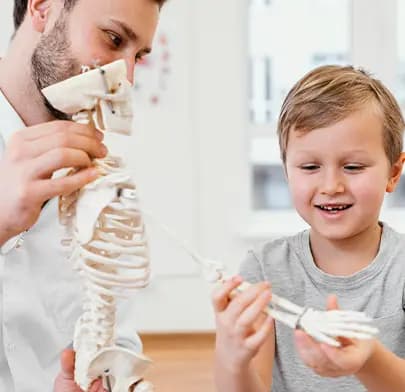
In paediatric orthopaedics, treatment often focuses on correcting musculoskeletal issues in children. This may involve non-surgical interventions like bracing, physical therapy, or casting for conditions like scoliosis or clubfoot. Surgical options, such as osteotomy or tendon lengthening, may be necessary for severe deformities or injuries. The goal is to promote proper growth and development while minimizing long-term complications.
 Easy Medical Visa Approvals
Comprehensive Treatment Plans
Multi-Language Support
Travel Booking Assistance
In paediatric orthopaedics, treatment often focuses on correcting musculoskeletal issues in children. This may involve non-surgical interventions like bracing, physical therapy, or casting for conditions like scoliosis or clubfoot. Surgical options, such as osteotomy or tendon lengthening, may be necessary for severe deformities or injuries. The goal is to promote proper growth and development while minimizing long-term complications.
Symptoms Of Paediatric Orthopaedics
Symptoms
 SwellingLimpingLimited Range of MotionDeformities
Types of conditions
There are 5 main types of Paediatric Orthopaedics
Non-surgical interventions
Surgical procedures
Medications
Orthotics
Monitoring and observation
Non-surgical interventions
Such as bracing, physical therapy, or casting for conditions like scoliosis or clubfoot.
Such as osteotomy or tendon lengthening may be necessary for severe deformities or injuries.
Pain relievers, anti-inflammatory drugs, or antibiotics in case of infections.
Custom-made shoe inserts or braces to correct foot and ankle problems.
Sometimes, simply monitoring the condition and providing supportive care as the child grows may be the best approach, especially for mild cases.
TYPES
Various conditions treated in paediatric orthopaedics include:
-
Congenital conditions: Present at birth, such as clubfoot, hip dysplasia, or congenital limb abnormalities.
-
Developmental conditions: Conditions that affect the normal growth and development of bones and joints, like scoliosis or developmental dysplasia of the hip.
-
Traumatic injuries: Fractures, sprains, or dislocations resulting from accidents or sports injuries.
-
Neuromuscular conditions: Conditions affecting muscles and nerves, such as cerebral palsy or muscular dystrophy, which can lead to orthopaedic complications like contractures or gait abnormalities.
-
Infections: Bone or joint infections like osteomyelitis or septic arthritis, which require prompt treatment to prevent long-term complications.
DIAGNOSIS
Diagnosis in paediatric orthopaedics involves a variety of techniques to identify and understand musculoskeletal issues in children. Common diagnostic methods include:
-
Physical examination: Assessing range of motion, strength, and any visible deformities.
-
Imaging studies: X-rays, MRI scans, CT scans, or ultrasound to visualize bones, joints, and soft tissues.
-
Laboratory tests: Blood tests to detect markers of inflammation or infection in cases such as septic arthritis or osteomyelitis.
-
Gait analysis: Observing how a child walks or moves to assess for abnormalities in gait or posture.
-
Electromyography (EMG) or nerve conduction studies: To evaluate nerve function in cases of suspected neuromuscular disorders.
CAUSES/ RISK FACTORS Causes and risk factors contributing to paediatric orthopaedic conditions include:
-
Genetic predisposition: Inherited factors can play a role in conditions like congenital limb abnormalities or skeletal dysplasias.
-
Developmental factors: Problems during fetal development or birth can lead to conditions such as hip dysplasia or clubfoot.
-
Trauma: Accidents, falls, or sports injuries can result in fractures, dislocations, or ligament injuries.
-
Neuromuscular disorders: Conditions like cerebral palsy or muscular dystrophy can affect muscle tone and coordination, leading to orthopaedic complications.
-
Infections: Bacterial or viral infections can affect bones and joints, causing conditions like osteomyelitis or septic arthritis.
PREPARING FOrR SURGERY
Preparing for surgery in paediatric orthopaedics involves several steps to ensure a smooth and successful procedure:
-
Pre-operative evaluation: The child will undergo a thorough medical assessment to evaluate their overall health and any specific risks related to the surgery.
-
Education: Both the child and their caregivers will receive information about the procedure, including what to expect before, during, and after surgery.
-
Preparing the child: Depending on their age and understanding, the child may need help coping with anxiety or fears about the surgery. Age-appropriate explanations and support can be provided.
-
Pre-operative instructions: These may include guidelines about fasting before surgery, discontinuing certain medications, and following specific hygiene practices.
-
Planning for post-operative care: Arrangements will be made for the child's care after surgery, including any necessary rehabilitation or physical therapy.
-
Communication: Open communication between the surgical team, caregivers, and the child (if appropriate) is essential to address any concerns and ensure everyone is well-informed throughout the process.
TREATMENT DETAILS
Types
Treatment details in paediatric orthopaedics encompass various types of interventions tailored to the specific condition and needs of the child:
-
Non-surgical treatments: These may include methods such as bracing, physical therapy, or casting for conditions like scoliosis, clubfoot, or minor fractures.
-
Surgical interventions: For more severe conditions or injuries, surgical procedures such as osteotomy, tendon lengthening, or joint reconstruction may be necessary to correct deformities, stabilize fractures, or address other orthopaedic issues.
-
Medications: Pain relievers, anti-inflammatory drugs, or antibiotics may be prescribed to manage pain, inflammation, or infections associated with orthopaedic conditions or surgical procedures.
-
Orthotics: Custom-made shoe inserts, braces, or splints may be used to support and stabilize joints, correct alignment issues, or promote proper musculoskeletal development.
-
Casting and immobilization: Temporary immobilization through casting or splinting may be employed to protect injured bones or joints, facilitate healing, and prevent further damage.
-
Physical therapy and rehabilitation: Rehabilitation programs involving exercises, stretches, and other therapeutic modalities are often prescribed to improve strength, flexibility, and functional mobility following surgery or injury.
-
Minimally invasive procedures: Some orthopaedic conditions may be treated using minimally invasive techniques such as arthroscopy, which involves small incisions and specialized instruments to visualize and treat joint problems.
-
Lifestyle modifications: Depending on the underlying condition, lifestyle modifications such as weight management, proper footwear, or ergonomic adjustments may be recommended to minimize symptoms and prevent recurrence.
-
Long-term management and follow-up: Many paediatric orthopaedic conditions require ongoing monitoring and management to ensure optimal outcomes and prevent complications as the child grows and develops. Regular follow-up appointments and periodic reassessment are essential components of long-term care.
RECOVERY
Recovery in paediatric orthopaedics varies depending on the specific condition and treatment received, but generally involves:
-
Rest and immobilization: After surgery or injury, the child may need to rest and limit movement to allow for proper healing. Immobilization through casting, splinting, or bracing may be necessary to protect the affected area.
-
Pain management: Pain medications or other pain management techniques may be prescribed to help alleviate discomfort during the recovery process.
-
Physical therapy: Rehabilitation exercises and physical therapy sessions are often prescribed to improve strength, flexibility, and range of motion in the affected area.
-
Gradual return to activity: As the child's condition improves, they may gradually resume normal activities and sports participation under the guidance of healthcare providers.
-
Monitoring and follow-up: Regular follow-up appointments with orthopaedic specialists are essential to monitor progress, address any concerns, and make adjustments to the treatment plan as needed.
-
Education and support: Caregivers and the child may receive education and support to help manage expectations, cope with any challenges during recovery, and facilitate a smooth transition back to daily activities.
-
Adherence to treatment plan: Following the prescribed treatment plan, including medications, exercises, and activity restrictions, is crucial for a successful recovery and optimal long-term outcomes.
-
Patience and time: Recovery from paediatric orthopaedic conditions or surgeries can take time, and patience is key. Each child's recovery timeline may vary, and it's important to allow sufficient time for healing and rehabilitation.
Your journey to good health begins here

Accredited Hospitals
Nationally accredited hospitals for high-quality care

Multi-language Support
Convey your needs in the language you're most comfortable in

Travel Booking Assistance
Seamless booking assistance for your healthcare journey

Personalised Treatment Plans
A treatment journey tailored to all your preferences and needs

Unparalleled Hospitality
Experience exceptional hospitality during your stay

Easy Medical Visa Approvals
Dedicated assistance for medical visa requirements

Your Medical Assistant
Get instant help planning your treatment journey
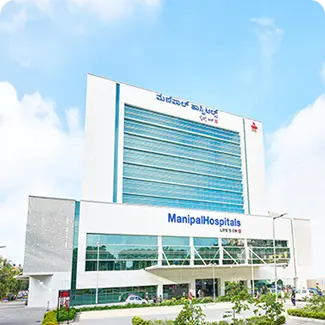
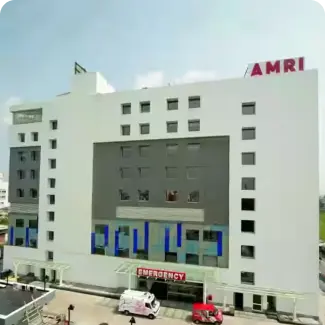
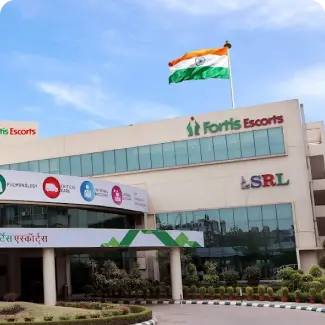
The best hospitals are partnered with Karetrip
Access world-class facilities from top hospitals





Consult with the most experienced doctors
Experience premium care from leading specialists


Cost estimation
Learn about the expenses involved in the procedure and what factors affect them.
Estimating the cost of surgery involves several factors, including the type of procedure, hospital fees, surgeon's charges, and additional expenses such as anesthesia and post-operative care. Costs can vary widely based on location and the complexity of the surgery. It's essential to consult with healthcare providers, discuss insurance coverage, and inquire about potential out-of-pocket expenses to ensure a comprehensive understanding of the financial aspects associated with the surgical procedure.
Get Cost EstimationThe average cost of Paediatric Orthopaedics in India is around ₹ 13,000 to ₹ 28,000.

₹ 28,000
High Cost
₹ 21,000
Average Cost
₹ 13,000
Low Cost
The LIST of AVERAGE COST of the Paediatric Orthopaedics across TOP 5 cities in India in Indian Rupee (INR) is as follows :
City
Lowest Cost
Average Cost
Highest Cost
Delhi
₹ 14,000
₹ 19500
₹ 25,000
Mumbai
₹16,000
₹ 22000
₹ 28,000
Bangalore
₹15,000
₹20500
₹26,000
Chennai
₹14,200
₹20500
₹24,200
Kolkata
₹13,000
₹18000
₹ 23,000
Commonly Asked Questions
What is clubfoot?
Clubfoot is a congenital condition where a baby's foot is twisted out of shape or position. Treatment typically involves gentle stretching, casting, and sometimes surgery.
What causes scoliosis?
Scoliosis often develops during adolescence and can have various causes, including congenital abnormalities, neuromuscular conditions, or idiopathic factors.
At what age can children start wearing orthotics?
Orthotics can be prescribed for children of any age, depending on their specific orthopaedic needs, such as flat feet or gait abnormalities.
What is the treatment for developmental dysplasia of the hip (DDH)?
Treatment for DDH may involve the use of a harness or brace to hold the hip joint in place, or in severe cases, surgical intervention like a hip reduction or osteotomy.
How long does it take for a fracture to heal in children?
The healing time for fractures in children varies depending on the type and location of the fracture, but generally ranges from a few weeks to a few months.
Can sports injuries in children lead to long-term problems?
Yes, untreated sports injuries in children can potentially lead to long-term issues such as chronic pain, instability, or arthritis later in life. Prompt and proper treatment is essential.
What is the treatment for juvenile idiopathic arthritis (JIA)?
Treatment for JIA may involve medications to reduce inflammation and pain, physical therapy to maintain joint mobility, and sometimes surgery for severe cases.
Is surgery always required for congenital limb abnormalities?
Not necessarily. Depending on the severity of the abnormality, non-surgical interventions like bracing or physical therapy may be sufficient to address the issue.
How can I prevent sports injuries in my child?
Encouraging proper warm-up and stretching routines, using appropriate protective gear, ensuring adequate rest and recovery, and promoting proper technique can help reduce the risk of sports injuries.
What is the typical recovery time after orthopaedic surgery?
Recovery time varies depending on the type of surgery and the individual child's healing process, but it may range from a few weeks to several months. Adhering to post-operative care instructions is crucial for a smooth recovery.



"I had a successful surgery at Fortis Escorts Hospital, and it was all thanks to Karetrip's help in finding the right hospital for me. The entire process was smooth and stress-free, with Karetrip handling all the arrangements and answering any questions I had. The medical team at the hospital was outstanding, and the facilities were top-notch. I highly recommend Karetrip to anyone looking for a tension-free healthcare experience."
Read MoreFatima
Chattogram

"Thanks to Karetrip, I got connected with MAX Hospital in New Delhi. The team guided me through every step - from finding the right doctor to handling travel and visas. They made a daunting process feel like a breeze. The care I received at MAX Hospital was outstanding, and I can't thank Karetrip enough for making it possible. They truly put patients first and go the extra mile to ensure a smooth healthcare journey. I'm grateful beyond words!"
Read MoreHasan
Dhaka

"At first, I was unsure about having a medical procedure done in a foreign country. However, Karetrip's team at Indraprastha Apollo Hospital made me feel much better. The hospital was very clean, modern, and had everything they needed to help me. The staff were very kind and did everything they could to make me feel comfortable. I'm really happy with how my treatment turned out, and I appreciate Karetrip for making it easy and stress-free."
Read MoreImran
Sylhet
 Google Reviews4.9/5


I had a successful surgery at Fortis Escorts Hospital, and it was all thanks to Karetrip's help in finding the right hospital for me. The entire process was smooth and stress-free, with Karetrip handling all the arrangements and answering any questions I had. The medical team at the hospital was outstanding, and the facilities were top-notch. I highly recommend Karetrip to anyone looking for a tension-free healthcare experience.
Fatima
Chattogram
Google Reviews4.9/5