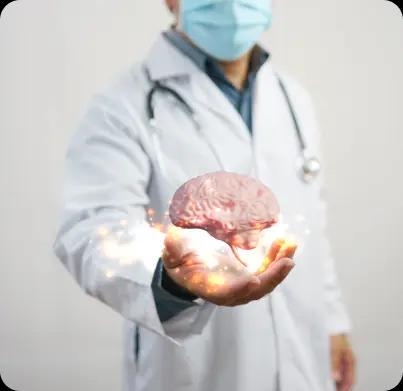
NeurologyTravel to India's Best Hospitals for Neurology Care
 Easy Medical Visa Approvals
Comprehensive Treatment Plans
Multi-Language Support
Travel Booking Assistance
Neurology is the medical specialty dedicated to studying the intricate complexities of the brain, spinal cord, nerves, and their functions.
Neurologists, the experts in this field, are highly trained medical professionals who diagnose and treat disorders affecting the nervous system.
If you experience symptoms like persistent headaches, seizures, numbness, tingling, difficulty walking, or memory problems, consulting a neurologist is crucial for proper evaluation and management of neurological issues.
Contact us for expert advice and consultation with leading oncologists in India.

Karetrip is now NABH-accredited!

Common Neurology Treatments
Get treated by leading neurosurgeons in India



Your Medical Assistant
Get instant help planning your treatment journey
Your journey to good health begins here

Accredited Hospitals
Nationally accredited hospitals for high-quality care

Multi-language Support
Convey your needs in the language you're most comfortable in

Travel Booking Assistance
Seamless booking assistance for your healthcare journey

Personalised Treatment Plans
A treatment journey tailored to all your preferences and needs

Unparalleled Hospitality
Experience exceptional hospitality during your stay

Easy Medical Visa Approvals
Dedicated assistance for medical visa requirements
Karetrip is now NABH-accredited!

This assures you of unparalleled quality and a seamlessly managed medical travel experience.
Partnered with India’s Biggest Hospitals





Know More about Neurology
Neurology is the medical specialty dedicated to studying the intricate complexities of the brain, spinal cord, nerves, and their functions. Neurologists, the experts in this field, are highly trained medical professionals who diagnose and treat disorders affecting the nervous system. If you experience symptoms like persistent headaches, seizures, numbness, tingling, difficulty walking, or memory problems, consulting a neurologist is crucial for proper evaluation and management of neurological issues.
Symptoms of Neurological Disorders
Symptoms of Neurological Disorders are:
- Persistent headaches
- Dizziness
- Seizures
- Numbness or tingling sensations
- Muscle weakness
- Coordination difficulties
- Memory problems
- Changes in mood or behaviour
Risk Factors of Neurological Disorders
Several factors contribute to the development of neurological disorders. This include:
- Genetics
- Environmental influences
- Lifestyle choices
- Underlying health conditions.
Risk factors may include:
- Family history of neurological diseases
- Traumatic brain injury
- Exposure to toxins or chemicals
- Chronic stress
- High blood pressure
- Diabetes
- Autoimmune disorders
Types of Neurological Disorders
Neurological disorders encompass a broad spectrum of conditions affecting the nervous system. These include but are not limited to:
- Stroke: A sudden interruption of blood flow to the brain, leading to brain damage.
- Epilepsy: A neurological disorder characterized by recurrent seizures.
- Multiple Sclerosis (MS): An autoimmune disease that affects the central nervous system, causing inflammation and damage to the myelin sheath.
- Alzheimer's Disease: A progressive neurodegenerative disorder leading to memory loss, cognitive decline, and behavioral changes.
- Parkinson's Disease: A chronic and progressive movement disorder affecting balance, coordination, and motor function.
- Migraines: Recurrent severe headaches often accompanied by nausea, vomiting, and sensitivity to light and sound.
- Peripheral Neuropathy: Damage to the peripheral nerves resulting in numbness, tingling, weakness, and pain in the extremities.
- Brain Tumours: Abnormal growths in the brain that can cause various neurological symptoms depending on their location and size.
Diagnosis of Neurological Issues
Diagnosing neurological issues involves a comprehensive evaluation, including a detailed medical history, neurological examination, imaging studies (MRI, CT scan), electroencephalogram (EEG), nerve conduction studies, and laboratory tests. These diagnostic tools help neurologists assess the structure and function of the nervous system and identify underlying causes of neurological symptoms.
Treatment for Neurological Issues
Treatment approaches for neurological disorders vary depending on the specific condition, severity of symptoms, and individual patient factors.
Treatment modalities may include medication management, lifestyle modifications, physical therapy, occupational therapy, speech therapy, surgical interventions, and supportive care.
Neurologists work closely with patients to develop personalised treatment plans aimed at managing symptoms, improving quality of life, and optimising long-term outcomes.
World-class facilities for advanced neurology treatments

Neuroprosthetics
These devices can replace or restore lost function due to nervous system injury or disease. They include artificial limbs, exoskeletons, and pacemakers for the brain
Gene therapy
This approach uses viruses or other delivery vehicles to introduce corrective genes into patients’ cells. It is being explored as one of the most important modern treatment options for neurological conditions like Huntington’s disease.
Brain-machine interfaces
These devices allow users to control external devices with their thoughts. This technology is still in its early stages, but it has the potential to revolutionise the treatment of conditions like paralysis and stroke.
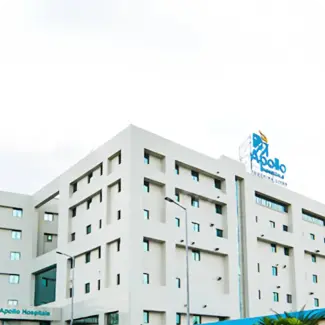
Top hospitals with Renowned Neurology Department
India’s biggest multi-speciality hospitals are here









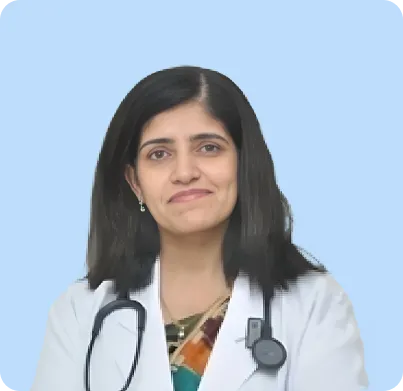
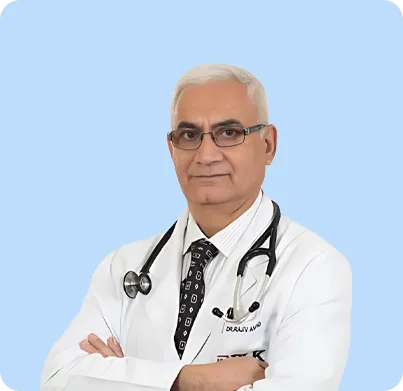
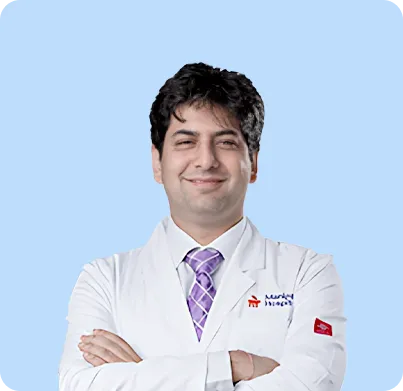
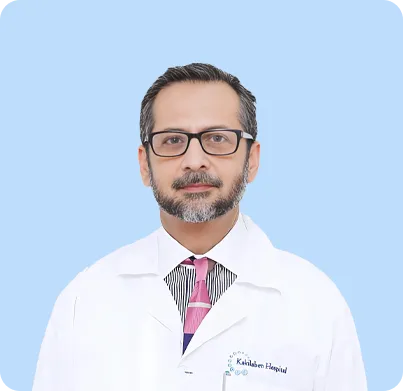
Consult with India’s Leading Neurologists
Receive exceptional care from the most experienced doctors in India

Commonly Asked Questions
What is neurology, and when should I consult a neurolosurgeon?
Neurology is the branch of medicine focused on diagnosing and treating disorders related to the nervous system. Consult a neurosurgeon if you experience symptoms like Persistent Headaches, Neuropathy, Memory Loss or Cognitive Issues, Dizziness or Vertigo, Sleep Disorders.
How do I find the right neurosurgeon for my specific condition?
Karetrip connects you with specialised neurosurgeons based on your specific needs and condition, ensuring you receive tailored care.
What is Karetrip and how can I use it?
Karetrip is your healthcare trip planner that connects you with the world’s premiere hospitals and finest doctors beyond city, state and country limits. You can use it to book an appointment with a doctor, irrespective of your geographic location, and we’ll take care of the rest.
Who will help me to get connected with the doctors?
A patient relationship manager will be assigned to you to prepare your case and get back to you with a treatment plan, cost of treatment, and other useful information like what documents you need to carry and submit.
What are the common conditions treated by neurosurgeon?
- Neurosurgeons commonly treat the following conditions:
- Brain Tumours: Both benign and malignant tumours.
- Spinal Disorders: Including herniated discs and spinal stenosis.
- Traumatic Brain Injuries (TBI): Resulting from accidents or falls.
- Cerebrovascular Disorders: Such as strokes and aneurysms.
- Neurovascular Disorders: Involving blood vessels in the brain.
- Epilepsy Surgery: Surgical intervention for uncontrolled seizures.
- Movement Disorders: Like Parkinson's disease.
Can I get a second medical opinion from a different Neurosurgeon through Karetrip?
Yes, we facilitate second medical opinions, connecting you with another specialist to ensure confidence in your treatment plan.
What advanced neurology treatments are available, and do they impact the overall cost?
Explore a range of advanced treatments like gene therapy, neuroprosthetics, etc. Costs vary and our platform strives to provide transparent pricing for informed decision-making.
How can I prepare for a neurosurgeon appointment with a specialist?
Bring your medical history, list of medications, and questions. This ensures a comprehensive discussion with your neurosurgeon.
Are virtual consultations with neurosurgeons available, and do they reduce costs?
Yes, virtual consultations are available for certain cases, providing convenience. Costs may vary, and we strive to offer cost-effective solutions.
How does Karetrip ensure the quality of partnered neurology facilities and specialists?
We rigorously vet facilities and specialists, ensuring they meet our high standards. Our NABH accreditation and patient testimonials reflect our commitment to quality care.
Does Karetrip own any hospital?
No, Karetrip operates solely as a platform provider and does not have ownership of any hospitals. It collaborates with a network of esteemed healthcare facilities and medical professionals globally to offer patients access to top-quality care.



"I had a successful surgery at Fortis Escorts Hospital, and it was all thanks to Karetrip's help in finding the right hospital for me. The entire process was smooth and stress-free, with Karetrip handling all the arrangements and answering any questions I had. The medical team at the hospital was outstanding, and the facilities were top-notch. I highly recommend Karetrip to anyone looking for a tension-free healthcare experience."
Read MoreFatima
Chattogram

"Thanks to Karetrip, I got connected with MAX Hospital in New Delhi. The team guided me through every step - from finding the right doctor to handling travel and visas. They made a daunting process feel like a breeze. The care I received at MAX Hospital was outstanding, and I can't thank Karetrip enough for making it possible. They truly put patients first and go the extra mile to ensure a smooth healthcare journey. I'm grateful beyond words!"
Read MoreHasan
Dhaka

"At first, I was unsure about having a medical procedure done in a foreign country. However, Karetrip's team at Indraprastha Apollo Hospital made me feel much better. The hospital was very clean, modern, and had everything they needed to help me. The staff were very kind and did everything they could to make me feel comfortable. I'm really happy with how my treatment turned out, and I appreciate Karetrip for making it easy and stress-free."
Read MoreImran
Sylhet
 Google Reviews4.9/5


I had a successful surgery at Fortis Escorts Hospital, and it was all thanks to Karetrip's help in finding the right hospital for me. The entire process was smooth and stress-free, with Karetrip handling all the arrangements and answering any questions I had. The medical team at the hospital was outstanding, and the facilities were top-notch. I highly recommend Karetrip to anyone looking for a tension-free healthcare experience.
Fatima
Chattogram
Google Reviews4.9/5