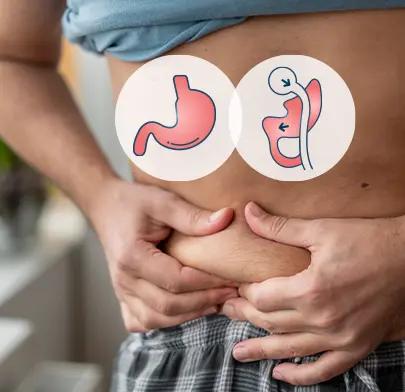
Roux-En-Y Gastric Bypass
Roux-en-Y gastric bypass (RYGB) is a surgical procedure used to treat severe obesity by reducing the size of the stomach and rerouting the digestive system. This surgery creates a smaller stomach pouch and bypasses a portion of the small intestine, limiting food intake and nutrient absorption. Surgeons performing RYGB are specialized in bariatric surgery and are skilled in managing the complex physiological changes associated with the procedure.
 Free Pick up and Drop
No Cost EMI
Post Surgery Care
Roux-en-Y gastric bypass (RYGB) is a surgical procedure used to treat severe obesity by reducing the size of the stomach and rerouting the digestive system. This surgery creates a smaller stomach pouch and bypasses a portion of the small intestine, limiting food intake and nutrient absorption. Surgeons performing RYGB are specialized in bariatric surgery and are skilled in managing the complex physiological changes associated with the procedure.
Symptoms of Roux-En-Y Gastric Bypass
Symptoms
 ObesityJoint painHeartburnCardiovascular diseases
Types of conditions
There are 0 main types of Roux-En-Y Gastric Bypass
DIAGNOSIS
-
Blood Tests: Comprehensive blood tests, including complete blood count (CBC), to assess the patient's overall health and identify any abnormalities that may affect surgery.
-
Imaging Tests: X-rays, ultrasounds, CT scans, or MRIs are performed to visualize the abdominal area and plan the surgical approach.
-
Specialized Tests: Additional tests such as endoscopic evaluation of the gastrointestinal tract or nutritional assessments may be conducted depending on the patient's specific condition.
CAUSES/RISK FACTORS
-
Underlying Health Conditions: Conditions like heart disease, lung disease, or diabetes can increase the surgical risks associated with Roux-en-Y gastric bypass.
-
Nutritional Status: Malnutrition or nutritional deficiencies may affect healing and recovery after surgery, making pre-operative nutritional optimization essential.
-
Immune System Status: Patients with compromised immune systems are at higher risk for infections during and after surgery, requiring careful management.
PREPARING FOR SURGERY
Pre-surgical Management
-
Optimizing Health: Medications, dietary adjustments, and managing any existing health conditions to ensure the child is in the best possible health before surgery.
-
Pre-operative Testing: Blood tests, imaging, and other evaluations to prepare for surgery.
-
Parental Training: Educating parents on pre-operative and post-operative care requirements.
POST-SURGICAL CARE
-
Medications: Patients receive pain management medications and antibiotics to prevent infections following surgery
-
Therapies: Physical and occupational therapy to aid recovery and improve function.
-
Follow-up Visits: Regular check-ups to monitor healing, detect any complications early, and adjust treatments as needed.
TREATMENT DETAILS
Technology used
Imaging technologies
-
Ultrasound and CT scans: Provide detailed images of the abdominal anatomy, allowing surgeons to plan and perform the gastric bypass procedure with precision.
-
MRI: Provides detailed images of soft tissues and bone marrow for comprehensive assessment.
Fluoroscopy: Real-time X-ray imaging is used during the surgical procedure to guide the surgeon in creating the new gastrointestinal anatomy.
RECOVERY
-
Hospital Stay: Patients typically stay in the hospital for a few days after surgery to monitor for complications and ensure a safe recovery.
-
Dietary Changes: Patients must adhere to a strict post-operative diet plan, starting with clear liquids and gradually progressing to solid foods, to accommodate the reduced stomach size and ensure proper healing.
-
Nutritional Supplementation: Patients may require lifelong vitamin and mineral supplementation to prevent nutritional deficiencies due to reduced nutrient absorption.
-
Physical Activity: Gradual reintroduction of physical activity is encouraged post-surgery to promote weight loss, improve cardiovascular health, and enhance overall well-being.
-
Long-term Follow-up: Regular follow-up appointments with healthcare providers are essential to monitor weight loss progress, manage potential complications, and provide ongoing support and guidance for maintaining a healthy lifestyle.
Your journey to good health begins here

Accredited Hospitals
Nationally accredited hospitals for high-quality care

Multi-language Support
Convey your needs in the language you're most comfortable in

Travel Booking Assistance
Seamless booking assistance for your healthcare journey

Personalised Treatment Plans
A treatment journey tailored to all your preferences and needs

Unparalleled Hospitality
Experience exceptional hospitality during your stay

Easy Medical Visa Approvals
Dedicated assistance for medical visa requirements

Your Medical Assistant
Get instant help planning your treatment journey
The best hospitals are partnered with Karetrip
Access world-class facilities from top hospitals







Consult with the most experienced doctors
Experience premium care from leading specialists


Cost estimation
Learn about the expenses involved in the procedure and what factors affect them.

-
Type of procedure: Roux-en-Y gastric bypass surgery is a major surgical intervention and may incur higher costs compared to non-surgical weight loss methods.
-
Surgeon fees: Highly experienced or specialized surgeons may charge higher fees.
-
Anesthesia fees: Costs vary depending on the type and duration of anesthesia required.
-
Diagnostic tests: Pre-operative tests, such as imaging studies, can add to the cost.
-
Hospital or surgical facility fees: These vary widely, with specialized cosmetic surgery centers typically costing more.
-
Geographic location: Costs are generally higher in major metropolitan areas.
-
Post-operative care: Follow-up visits, medications, and any necessary revisions or additional treatments can increase overall costs.
-
Medical devices: Surgical instruments, staplers, and other medical devices used during and after surgery contribute to the overall expense
The average cost of Roux-En-Y Gastric Bypass in India is around to .

High Cost
Average Cost
Low Cost
The LIST of AVERAGE COST of the Roux-En-Y Gastric Bypass across TOP 4 cities in India in Indian Rupee (INR) is as follows :
City
Lowest Cost
Average Cost
Highest Cost
Mumbai
₹ 1,50,000
₹ 2,00,000
₹ 4,00,000
Delhi
₹ 1,10,000
₹ 1,60,000
₹ 1,300,000
Hyderabad
₹ 50,000
₹ 1,00,000
₹ 4,00,000
Chennai
₹ 90,000
₹ 1,40,000
₹ 400,000
Commonly Asked Questions
What is Roux-en-Y gastric bypass surgery?
Roux-en-Y gastric bypass (RYGB) is a surgical procedure used to treat severe obesity by reducing the size of the stomach and rerouting the digestive system to bypass a portion of the small intestine. This limits food intake and nutrient absorption, resulting in weight loss.
Am I a candidate for RYGB surgery?
Candidates for RYGB surgery typically have a body mass index (BMI) of 40 or higher (or BMI of 35-39.9 with obesity-related health conditions) and have unsuccessfully tried other weight loss methods. It's essential to undergo a comprehensive evaluation by a healthcare provider to determine eligibility.
What are the benefits of RYGB surgery?
RYGB surgery can lead to significant and sustained weight loss, improvement in obesity-related health conditions such as type 2 diabetes and high blood pressure, increased mobility, enhanced quality of life, and reduced risk of obesity-related complications.
What are the risks associated with RYGB surgery?
Like any surgical procedure, RYGB surgery carries risks, including infection, bleeding, blood clots, anesthesia complications, leaks or strictures at the surgical site, nutritional deficiencies, and potential long-term complications such as dumping syndrome or gallstones.
What is the recovery process like after RYGB surgery?
The recovery process varies for each individual but typically involves a hospital stay of a few days, followed by a gradual transition from clear liquids to solid foods over several weeks. Patients must adhere to dietary guidelines, take prescribed medications, attend follow-up appointments, and gradually reintroduce physical activity.
Will I need to make lifestyle changes after RYGB surgery?
Yes, RYGB surgery requires significant lifestyle changes, including adopting a healthy diet, practicing portion control, engaging in regular physical activity, taking prescribed supplements, and attending regular follow-up appointments to monitor progress and address any concerns.
What dietary modifications will I need to follow after RYGB surgery?
Patients must follow a strict post-operative diet plan, starting with clear liquids and gradually progressing to pureed foods, soft foods, and eventually solid foods. It's essential to eat small, frequent meals, focus on protein-rich foods, avoid sugary or high-fat foods, and stay hydrated.
Will I experience side effects after RYGB surgery?
Side effects after RYGB surgery may include nausea, vomiting, diarrhea, dumping syndrome (rapid gastric emptying leading to symptoms such as nausea, weakness, sweating, and diarrhea), food intolerances, and changes in bowel habits. These symptoms usually improve over time with proper dietary and lifestyle adjustments.
What is dumping syndrome, and how can it be managed?
Dumping syndrome is a common complication after RYGB surgery characterized by rapid gastric emptying and symptoms such as nausea, weakness, sweating, and diarrhea after eating. It can be managed by eating smaller, more frequent meals, avoiding high-sugar or high-fat foods, and consuming complex carbohydrates and protein.
Will I need additional surgeries or procedures after RYGB surgery?
In some cases, patients may require additional surgeries or procedures to address complications such as strictures, leaks, or gallstones. Regular follow-up appointments with healthcare providers are essential to monitor for any potential issues and adjust treatment plans accordingly.



"I had a successful surgery at Fortis Escorts Hospital, and it was all thanks to Karetrip's help in finding the right hospital for me. The entire process was smooth and stress-free, with Karetrip handling all the arrangements and answering any questions I had. The medical team at the hospital was outstanding, and the facilities were top-notch. I highly recommend Karetrip to anyone looking for a tension-free healthcare experience."
Read MoreFatima
Chattogram

"Thanks to Karetrip, I got connected with MAX Hospital in New Delhi. The team guided me through every step - from finding the right doctor to handling travel and visas. They made a daunting process feel like a breeze. The care I received at MAX Hospital was outstanding, and I can't thank Karetrip enough for making it possible. They truly put patients first and go the extra mile to ensure a smooth healthcare journey. I'm grateful beyond words!"
Read MoreHasan
Dhaka

"At first, I was unsure about having a medical procedure done in a foreign country. However, Karetrip's team at Indraprastha Apollo Hospital made me feel much better. The hospital was very clean, modern, and had everything they needed to help me. The staff were very kind and did everything they could to make me feel comfortable. I'm really happy with how my treatment turned out, and I appreciate Karetrip for making it easy and stress-free."
Read MoreImran
Sylhet
 Google Reviews4.9/5


I had a successful surgery at Fortis Escorts Hospital, and it was all thanks to Karetrip's help in finding the right hospital for me. The entire process was smooth and stress-free, with Karetrip handling all the arrangements and answering any questions I had. The medical team at the hospital was outstanding, and the facilities were top-notch. I highly recommend Karetrip to anyone looking for a tension-free healthcare experience.
Fatima
Chattogram
Google Reviews4.9/5