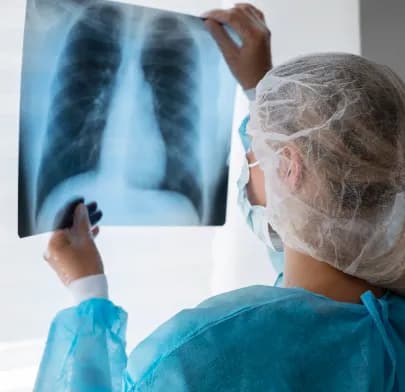
Lung Cancer
A malignant tumor originating in cells of the lungs develops into lung cancer. Though it develops due to smoking, non-smokers may also have. Visible symptoms include persistent cough, chest pain, and breathing difficulties. Based on type and stage of cancer, surgery, chemotherapy, radiation therapy or targeted therapy is performed.
 Free Pick up and Drop
No Cost EMI
No Cost EMI
A malignant tumor originating in cells of the lungs develops into lung cancer. Though it develops due to smoking, non-smokers may also have. Visible symptoms include persistent cough, chest pain, and breathing difficulties. Based on type and stage of cancer, surgery, chemotherapy, radiation therapy or targeted therapy is performed.
Symptoms Of Lung Cancer
Symptoms
 Persistent cough
 Chest pain
 Shortness of breath
  Unexplained weight loss
 Fatigue
Types of conditions
There are 5 main types of Lung Cancer
Surgery
Chemotherapy
Radiation therapy
Targeted therapy
Immunotherapy
Surgery
Removal of the tumor and surrounding tissue, often the initial treatment for early-stage lung cancer.
Types: Lobectomy, pneumonectomy, segmentectomy, or wedge resection.
Technology: Minimally invasive techniques like video-assisted thoracoscopic surgery (VATS) or robotic-assisted surgery.
Facilities: Advanced surgical theaters equipped with state-of-the-art instrumentation and experienced surgical teams.
Medications used to kill cancer cells or stop their growth, often used in combination with other treatments.
Types: Platinum-based chemotherapy regimens or combination therapies with targeted drugs.
Technology: Chemotherapy drugs delivered intravenously or orally, sometimes in combination with immunotherapy agents.
Facilities: Chemotherapy infusion centers equipped with monitoring equipment and trained nursing staff.
High-energy radiation to destroy cancer cells, either alone or in combination with surgery or chemotherapy.
Types: External beam radiation therapy (EBRT), stereotactic body radiation therapy (SBRT), or brachytherapy.
Technology: Linear accelerators or CyberKnife systems for precise delivery of radiation to tumor sites.
Facilities: Radiation oncology departments with advanced radiation equipment, treatment planning systems, and radiation oncologists.
Drugs that target specific genetic mutations in cancer cells, often used for advanced or metastatic lung cancer.
Types: EGFR inhibitors, ALK inhibitors, or ROS1 inhibitors targeting specific genetic mutations.
Technology: Molecular testing to identify actionable mutations followed by targeted drug administration.
Facilities: Molecular diagnostic labs equipped with genetic testing platforms and access to targeted therapy drugs.
Medications that help the immune system fight cancer cells, particularly for certain types of advanced lung cancer. Treatment plans are personalized based on the individual’s health status and the characteristics of the cancer.
Types: Immune checkpoint inhibitors like PD-1 or PD-L1 inhibitors.
Technology: Drugs that enhance the body's immune response to target and destroy cancer cells.
Facilities: Infusion centers providing immunotherapy treatments under the supervision of oncologists and immunotherapy-trained nursing staff.
Symptoms of Lung Cancer
-
Persistent cough: A chronic cough that doesn't go away, often with blood.
-
Chest pain: Pain or discomfort within the chest area, especially during breathing or coughing.
-
Shortness of breath: Difficulty in breathing or catching/gasping for breath, even with minimal exertion.
-
Unexplained weight loss: Significant weight loss without changes in diet or exercise.
-
Fatigue: Feeling tired or weak, that often persists despite rest or adequate sleep.
Diagnosis
-
Imaging Tests: X-rays, CT scans, or PET scans to visualize lung abnormalities.
-
Biopsy: Removal of tissue samples for examination under a microscope to confirm cancer presence.
-
Sputum Cytology: Examination of coughed-up mucus for cancerous cells.
-
Bronchoscopy: Insertion of a thin tube with a camera into the airways to view and biopsy the lung tissue.
-
Molecular Testing: Analysis of tumor tissue for genetic mutations to guide treatment decisions.
Causes
-
Smoking: The leading cause, with tobacco smoke containing carcinogens that damage lung cells
-
Secondhand Smoke: Inhaling smoke from others' cigarettes, cigars, or pipes increases cancer risk.
-
Exposure to Radon: Inhalation of radon gas, a radioactive substance found naturally in soil and rock, increases the risk of lung cancer.
-
Occupational Exposure: Certain professions, like mining, construction, and industrial work, expose individuals to carcinogens like asbestos and diesel exhaust, elevating the risks of lung cancer.
-
Air Pollution: Prolonged exposure to high levels of air pollutants, such as particulate matter and chemicals, can contribute to lung cancer development.
-
Family History: Genetic predisposition may increase susceptibility to lung cancer, especially when combined with other risk factors.
-
Personal History of Lung Disease: Conditions like chronic obstructive pulmonary disease (COPD) or lung fibrosis can raise the likelihood of developing lung cancer.
Preparing for Surgery
-
Medical Evaluation: Undergo a thorough medical assessment, including blood tests, imaging scans, and possibly a cardiac evaluation, to ensure fitness for surgery.
-
Medication Adjustment: Inform your healthcare provider about all medications and supplements you're taking, as some may need to be adjusted or discontinued before surgery.
-
Preoperative Instructions: Follow specific preoperative instructions provided by your healthcare team, such as fasting requirements and medication guidelines.
-
Arrange Support: Arrange for transportation to and from the hospital on the day of surgery, and ensure you have support at home during the recovery period.
-
Discuss Anesthesia: Consult with the anesthesiologist to discuss anesthesia options, potential risks, and any concerns you may have.
Recovery
-
Surgery: Recovery time after lung cancer surgery can range from several weeks to several months. For minimally invasive procedures like VATS or robotic surgery, recovery may be quicker as compared to traditional open surgery.
-
Chemotherapy: Recovery from chemotherapy can vary based on the number of cycles received, the specific drugs used, and individual tolerance. Side effects such as fatigue, nausea, and hair loss may impact recovery time.
-
Radiation Therapy: Recovery from radiation therapy is typically shorter than surgery or chemotherapy. However, side effects like fatigue, skin irritation, and difficulty in swallowing may persist for several weeks after treatment completion.
-
Targeted Therapy and Immunotherapy: Recovery from targeted therapy and immunotherapy may involve ongoing treatment cycles with periodic monitoring for response and side effects. Individual responses to these treatments can vary, affecting recovery time.
-
Palliative Care: For patients receiving palliative care, recovery time is focused on symptom management and improving quality of life. Recovery duration may vary depending on the effectiveness of symptom control and overall health status.
Your journey to good health begins here

Accredited Hospitals
Nationally accredited hospitals for high-quality care

Multi-language Support
Convey your needs in the language you're most comfortable in

Travel Booking Assistance
Seamless booking assistance for your healthcare journey

Personalised Treatment Plans
A treatment journey tailored to all your preferences and needs

Unparalleled Hospitality
Experience exceptional hospitality during your stay

Easy Medical Visa Approvals
Dedicated assistance for medical visa requirements

Your Medical Assistant
Get instant help planning your treatment journey
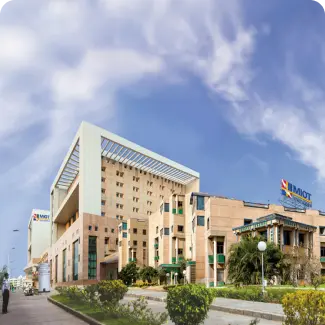
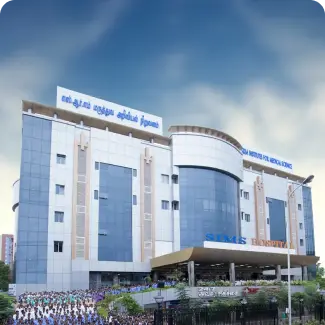
The best hospitals are partnered with Karetrip
Access world-class facilities from top hospitals
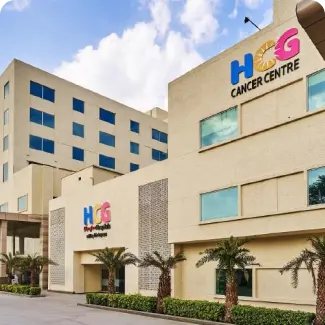
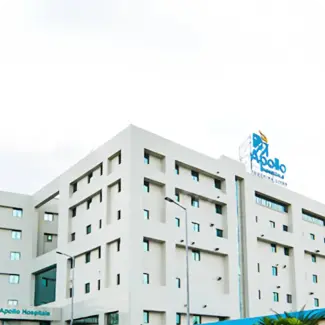
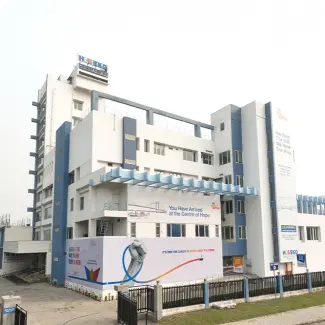




Consult with the most experienced doctors
Experience premium care from leading specialists






Cost estimation
Learn about the expenses involved in the procedure and what factors affect them.
1. Type and Stage of Cancer: Treatment costs may vary based on whether the cancer is early-stage or advanced, as well as the specific type of lung cancer (e.g., non-small cell lung cancer, small cell lung cancer).
2. Treatment Modalities: Expenses differ depending on the type and combination of treatments required, such as surgery, chemotherapy, radiation therapy, targeted therapy, or immunotherapy.
3. Healthcare Provider and Facility: Costs can vary between healthcare providers and facilities, including hospitals, cancer centers, or outpatient clinics, depending on factors like location, reputation, and available resources.
4. Health Insurance Coverage: Coverage policies may vary with insurance providers and plans, affecting out-of-pocket expenses for consultations, treatments, medications, and hospital stays.
5. Geographic Location: Treatment costs may differ significantly across cities or regions due to variations in healthcare infrastructure, labor costs, and living expenses.
Get Cost EstimationThe average cost of Lung Cancer in India is around ₹2,60,000 to ₹8,50,000.

₹8,50,000
High Cost
₹5,50,000
Average Cost
₹2,60,000
Low Cost
The LIST of AVERAGE COST of the Lung Cancer across TOP 4 cities in India in Indian Rupee (INR) is as follows :
City
Lowest Cost
Average Cost
Highest Cost
Delhi
₹3,00,000
₹6,00,000
₹8,00,000
Mumbai
₹2,80,000
₹5,50,000
₹7,50,000
Bangalore
₹3,20,000
₹6,00,000
₹8,50,000
Chennai
₹2,60,000
₹4,50,000
₹7,00,000
Commonly Asked Questions
What are the early signs and symptoms of lung cancer?
Early symptoms may include persistent cough, chest pain, shortness of breath, hoarseness, coughing up blood, unexplained weight loss, and recurrent respiratory infections. However, symptoms can vary widely, and some individuals may not experience any noticeable symptoms in the early stages.
What are the risk factors for developing lung cancer?
The primary risk factor for lung cancer is tobacco smoking, including cigarettes, cigars, and pipes. Other risk factors include exposure to secondhand smoke, radon gas, asbestos, air pollution, family history of lung cancer, and a personal history of lung disease such as COPD or pulmonary fibrosis.
How is lung cancer diagnosed?
Diagnosis typically involves a combination of imaging tests (such as chest X-rays, CT scans, or PET scans), tissue biopsy (obtained through bronchoscopy, needle biopsy, or surgical biopsy), and molecular testing to identify specific genetic mutations.
What are the treatment options for lung cancer?
Treatment options depend on the type and stage of lung cancer but may include surgery, chemotherapy, radiation therapy, targeted therapy, immunotherapy, or a combination of these approaches. Treatment plans are personalized based on individual factors and may involve a multidisciplinary team of healthcare professionals.
What is the prognosis for lung cancer?
Prognosis varies widely depending on factors such as the stage of the cancer at diagnosis, the type of lung cancer, overall health, and response to treatment. Early detection and treatment can significantly improve outcomes, but lung cancer can be challenging to treat, especially if diagnosed at an advanced stage.
How can lung cancer be prevented?
- While some risk factors for lung cancer, such as genetic predisposition, cannot be controlled, several preventive measures can reduce the risk:
- Avoiding tobacco use and exposure to secondhand smoke.
- Testing homes for radon gas and taking steps to reduce exposure if levels are high.
- Minimizing exposure to occupational carcinogens like asbestos or diesel exhaust.
- Adopting a healthy lifestyle, including maintaining a balanced diet, regular exercise, and avoiding environmental pollutants whenever possible.



"I had a successful surgery at Fortis Escorts Hospital, and it was all thanks to Karetrip's help in finding the right hospital for me. The entire process was smooth and stress-free, with Karetrip handling all the arrangements and answering any questions I had. The medical team at the hospital was outstanding, and the facilities were top-notch. I highly recommend Karetrip to anyone looking for a tension-free healthcare experience."
Read MoreFatima
Chattogram

"Thanks to Karetrip, I got connected with MAX Hospital in New Delhi. The team guided me through every step - from finding the right doctor to handling travel and visas. They made a daunting process feel like a breeze. The care I received at MAX Hospital was outstanding, and I can't thank Karetrip enough for making it possible. They truly put patients first and go the extra mile to ensure a smooth healthcare journey. I'm grateful beyond words!"
Read MoreHasan
Dhaka

"At first, I was unsure about having a medical procedure done in a foreign country. However, Karetrip's team at Indraprastha Apollo Hospital made me feel much better. The hospital was very clean, modern, and had everything they needed to help me. The staff were very kind and did everything they could to make me feel comfortable. I'm really happy with how my treatment turned out, and I appreciate Karetrip for making it easy and stress-free."
Read MoreImran
Sylhet
 Google Reviews4.9/5


I had a successful surgery at Fortis Escorts Hospital, and it was all thanks to Karetrip's help in finding the right hospital for me. The entire process was smooth and stress-free, with Karetrip handling all the arrangements and answering any questions I had. The medical team at the hospital was outstanding, and the facilities were top-notch. I highly recommend Karetrip to anyone looking for a tension-free healthcare experience.
Fatima
Chattogram
Google Reviews4.9/5