Myomectomy
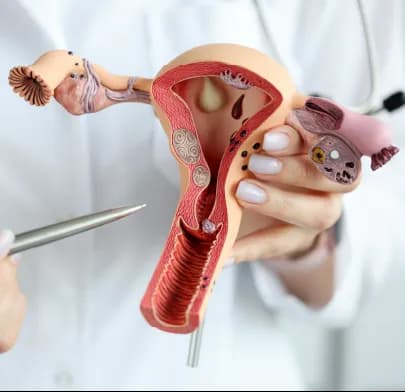
Myomectomy is a surgical procedure to remove uterine fibroids — also called leiomyomas. These common noncancerous growths appear in the uterus. Uterine fibroids usually develop during childbearing years, but they can occur at any age.The surgeon's goal during myomectomy is to take out symptom-causing fibroids and reconstruct the uterus.
 Free Pick up and Drop
No Cost EMI
Post Surgery Care
Myomectomy is a surgical procedure to remove uterine fibroids — also called leiomyomas. These common noncancerous growths appear in the uterus. Uterine fibroids usually develop during childbearing years, but they can occur at any age.The surgeon's goal during myomectomy is to take out symptom-causing fibroids and reconstruct the uterus.
Symptoms Of Myomectomy
Symptoms
When do you need a Myomectomy
 Pelvic pain or pressure
 Heavy menstrual bleeding
 Heavy menstrual bleeding
 Large uterine fibroids
Types of conditions
There are 5 main types of Myomectomy
Abdominal Myomectomy
Laparoscopic Myomectomy
Robotic Myomectomy
Hysteroscopic Myomectomy
Laparoscopic-Assisted Vaginal Myomectomy (LAVM)
Abdominal Myomectomy
- Open surgical procedure performed through a large incision in the abdomen (bikini incision or vertical midline incision).
- Suitable for removing large or multiple fibroids and accessing fibroids located deep within the uterine muscle.
- Requires longer recovery time compared to minimally invasive approaches.
TREATMENT OPTIONS
Depending on the size, number and location of fibroids,the surgeon may choose one of three surgical approaches to myomectomy.
-
Abdominal myomectomy - The surgeon makes an open abdominal incision to access the patient's uterus and remove fibroids.
-
Laparoscopic myomectomy - The surgeon makes a small incision in or near the patient's belly button. Then he or she inserts a laparoscope — a narrow tube fitted with a camera — into the abdomen. The surgeon performs the surgery with instruments inserted through other small incisions in the abdominal wall.
-
Robotic myomectomy- The surgeon inserts instruments through small incisions similar to those in a laparoscopic myomectomy, and then controls movement of the instruments from a separate console.
-
Hysteroscopic myomectomy- The surgeon accesses and removes the fibroids using instruments inserted through the patient's vagina and cervix into the uterus. This is generally performed to treat small fibroids that bulge significantly into the uterus (submucosal fibroids).
WHY DO WE NEED A MYOMECTOMY?
A myomectomy may be needed to address various issues related to uterine fibroids, including:
- Alleviating symptoms such as pelvic pain, pressure, or discomfort.
- Reducing heavy menstrual bleeding (menorrhagia) and associated anemia.
- Resolving fertility issues caused by fibroids.
- Relieving urinary symptoms or bladder pressure caused by fibroids.
- Preserving the uterus for women who wish to maintain their fertility or avoid a hysterectomy.
- Removing rapidly growing or large fibroids that may cause complications.
- Improving overall quality of life by addressing fibroid-related symptoms.
RISK FACTORS
Myomectomy has a low complication rate. Still, the procedure poses a unique set of challenges. Risks of myomectomy include:
- Bleeding
- Infection
- Blood clots
- Damage to nearby organs
- Allergic reactions to anesthesia
- Increased risk of needing a C-section delivery.
PREPARING FOR SURGERY
-
The patient will need to fast — stop eating or drinking anything — in the hours before the surgery.
-
Depending on the procedure, the patient may receive one of the following types of anesthesia i.e general anesthesia or monitored anesthesia care.
-
Whether the patient stays in the hospital for just part of the day or overnight depends on the type of procedure they have.
-
Abdominal myomectomy (laparotomy) usually requires a hospital stay of one to two days. In most cases, laparoscopic or robotic myomectomy is done outpatient or with only one overnight stay. Hysteroscopic myomectomy is often done with no overnight hospital stay.
-
Depending on the size, number and location of the fibroids, the surgeon may choose one of three surgical approaches to myomectomy i.e abdominal myomectomy, laparoscopic myomectomy or hysteroscopic myomectomy.
-
At discharge from the hospital, the doctor prescribes oral pain medication, tells them how to care for themself, and discusses restrictions on diet and activities.
TREATMENT DETAILS
The decision on what type of myomectomy to have is based on several factors, including:
- Fibroid size.
- The number of fibroids.
- Location of fibroids in the uterus.
RECOVERY
Recovery depends on the type of procedure and whether any problems arise. Patients can expect some pain for the first few days and the provider will give medication for pain. They’ll also encourage movement of legs or taking small walks after surgery to prevent blood clots.
-
With an open myomectomy, full recovery before getting back to your normal activities can take up to six weeks.
-
After a laparoscopic myomectomy, you may go home the same day. Recovery at home is about two to four weeks.
-
If the procedure is done hysteroscopically (through your vagina without incisions), full recovery can be just a matter of days.
Your journey to good health begins here

Accredited Hospitals
Nationally accredited hospitals for high-quality care

Multi-language Support
Convey your needs in the language you're most comfortable in

Travel Booking Assistance
Seamless booking assistance for your healthcare journey
Personalised Treatment Plans
A treatment journey tailored to all your preferences and needs

Unparalleled Hospitality
Experience exceptional hospitality during your stay

Easy Medical Visa Approvals
Dedicated assistance for medical visa requirements

Your Medical Assistant
Get instant help planning your treatment journey
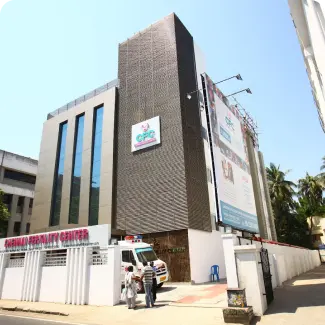
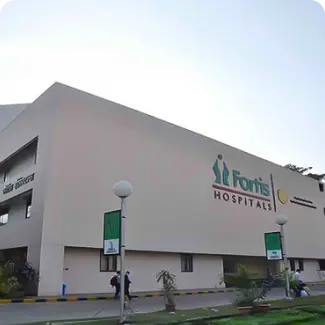
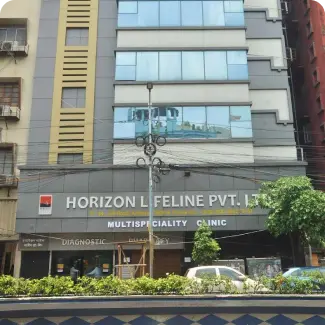
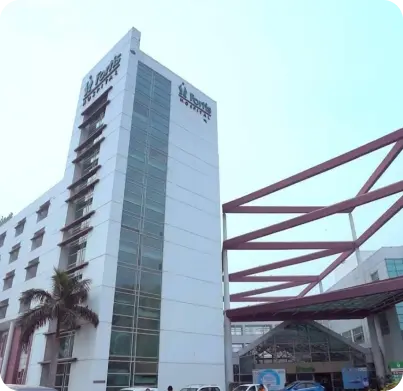
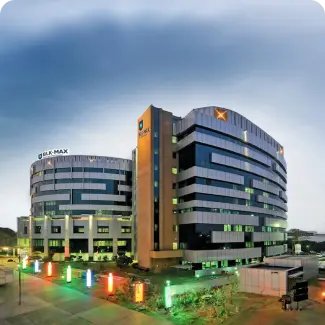
The best hospitals are partnered with Karetrip
Access world-class facilities from top hospitals




Consult with the most experienced doctors
Experience premium care from leading specialists


Cost estimation
Learn about the expenses involved in the procedure and what factors affect them.

The cost of a myomectomy in India can vary depending on factors such as the type of myomectomy (laparoscopic, robotic, abdominal), the complexity of the procedure, the surgeon's fees, hospital charges, anesthesia fees, pre-operative tests, post-operative care, and any additional treatments or interventions required. As a rough estimate, the cost of a myomectomy in India can range from approximately ₹50,000 to ₹3,00,000 or more. However, this is just a general range, and the actual cost can vary significantly based on individual circumstances and the specific hospital or healthcare facility chosen.
-
Surgeon’s fee - In general, the more experienced the gynecologist is, the more expensive the procedure will be.
-
Cost of diagnostic tests- The doctor recommends a few tests before myomectomy surgery. The cost of these diagnostic tests can influence the entire surgery cost.
-
Choice of the hospitals - Government hospitals are less expensive as compared to private hospitals. Private hospitals provide a high standard of treatment and hygienic conditions that ultimately raise the cost of treatment in private hospitals.
-
Cost of medication- The cost of medications like anti inflammatory medicines etc can greatly impact the cost of the entire surgical procedure.
-
Post-surgery follow-ups- In some cases, women experience cramping, and pain after the surgery and might require post-surgery follow-ups. The cost of these post-surgery follow-ups may influence the entire cost of surgery.
The average cost of Myomectomy in India is around ₹ 40,000 to ₹ 1,30,000.

₹ 1,30,000
High Cost
₹ 80,000
Average Cost
₹ 40,000
Low Cost
The LIST of AVERAGE COST of the Myomectomy across TOP 4 cities in India in Indian Rupee (INR) is as follows :
City
Lowest Cost
Average Cost
Highest Cost
Delhi
₹ 45,000
₹ 80,000
₹ 1,30,000
Mumbai
₹ 70,000
₹ 90,000
₹ 1,20,000
Chennai
₹ 40,000
₹ 90,000
₹ 1,20,000
Kolkata
₹ 55,000
₹ 80,000
₹ 1,20,000
Commonly Asked Questions
How long does myomectomy take?
It depends on the type of surgery, location of the fibroids and how many fibroids the surgeon needs to remove. In most cases, patients can expect the surgery to take between two and three hours.
How many days of rest does a person need after the surgery ?
No matter what type of myomectomy a person has, they can expect to need at least a few days of rest afterward. How much rest and recovery time a person needs depends on the type of surgery they have.
Can fibroids come back after myomectomy?
New fibroids may grow after a myomectomy. Younger people (under age 40) with many fibroids are at greater risk of getting more fibroids in the future. People who are near menopause or have just a few fibroids have less of a chance of recurring fibroids.
Can you have a baby after myomectomy?
Yes , a person can still be pregnant after a myomectomy although the person may be at increased risk for a C-section due to the potential complications of a vaginal delivery.
Does the body change after myomectomy?
There shouldn’t be any noticeable changes to a person's body after myomectomy other than finding relief from the symptoms fibroids are causing. Since the uterus is still functioning normally, the patient won’t enter menopause and should resume their period shortly after surgery.
Will a person have scar after myomectomy?
The person will have a small scar from a myomectomy. The only time they wouldn’t have a scar is if they have a hysteroscopic myomectomy. If they have an open myomectomy, the scar will be below the underwear line.



"I had a successful surgery at Fortis Escorts Hospital, and it was all thanks to Karetrip's help in finding the right hospital for me. The entire process was smooth and stress-free, with Karetrip handling all the arrangements and answering any questions I had. The medical team at the hospital was outstanding, and the facilities were top-notch. I highly recommend Karetrip to anyone looking for a tension-free healthcare experience."
Read MoreFatima
Chattogram

"Thanks to Karetrip, I got connected with MAX Hospital in New Delhi. The team guided me through every step - from finding the right doctor to handling travel and visas. They made a daunting process feel like a breeze. The care I received at MAX Hospital was outstanding, and I can't thank Karetrip enough for making it possible. They truly put patients first and go the extra mile to ensure a smooth healthcare journey. I'm grateful beyond words!"
Read MoreHasan
Dhaka

"At first, I was unsure about having a medical procedure done in a foreign country. However, Karetrip's team at Indraprastha Apollo Hospital made me feel much better. The hospital was very clean, modern, and had everything they needed to help me. The staff were very kind and did everything they could to make me feel comfortable. I'm really happy with how my treatment turned out, and I appreciate Karetrip for making it easy and stress-free."
Read MoreImran
Sylhet
 Google Reviews4.9/5


I had a successful surgery at Fortis Escorts Hospital, and it was all thanks to Karetrip's help in finding the right hospital for me. The entire process was smooth and stress-free, with Karetrip handling all the arrangements and answering any questions I had. The medical team at the hospital was outstanding, and the facilities were top-notch. I highly recommend Karetrip to anyone looking for a tension-free healthcare experience.
Fatima
Chattogram
Google Reviews4.9/5