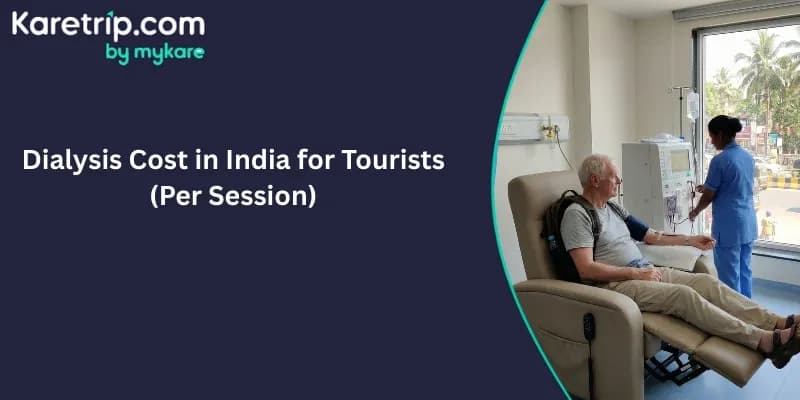

For travelers with Chronic Kidney Disease (CKD), the world often feels small. The fear of skipping a cycle or finding a safe clinic usually forces people to cancel their dream vacations.
But what if your dialysis session was just a simple "medical pit stop" rather than a roadblock?
India has quietly become a sanctuary for "Holiday Dialysis." With a vast network of JCI-accredited hospitals offering global-standard care for the price of a nice dinner, you can explore the Taj Mahal without compromising your health.
At Karetrip, we specialize in "Medical Logistics." We ensure that while you travel for the culture, your kidneys get the care they need. Here is the 2026 guide to costs, hygiene, and booking temporary slots.
1. Global Tech, Local Prices (The Cost Advantage)
The financial difference is stark. In the US or UK, a single dialysis session for an uninsured traveler can run upwards of $400.
In India, you pay a fraction of that amount for the exact same German (Fresenius) or Japanese (Nipro) technology.
2026 Price Estimates (Per Session):
| Facility Level | Tourist Hubs (Goa/Jaipur) | Metro Cities (Delhi/Mumbai) |
|---|---|---|
| Standard Clinic | ₹1,200 - ₹1,800 ($15 - $22) | ₹1,500 - ₹2,200 ($18 - $26) |
| Premium Hospital | ₹2,500 - ₹4,000 ($30 - $48) | ₹3,500 - ₹5,000 ($42 - $60) |
What do you get for $50? Premium centers typically provide a private dialysis suite, English-speaking technicians, and a specialized renal meal during the 4-hour process.
2. The "Guest Slot" System
Hospitals in India reserve specific machines for transient patients, known as "Guest Slots." However, these are limited.
You cannot treat a dialysis center like a walk-in clinic.
The Golden Rule: Book your slot 7 days before your flight.
- Why? High-demand centers (especially in Goa or near the Taj Mahal) fill up fast with other tourists. A last-minute walk-in might leave you traveling 50km to the next available machine.


3. The "Ticket to Entry" (Viral Markers)
This is the most common reason tourists get turned away at the door.
Indian hospitals enforce strict Infection Control Protocols. You will be denied entry if you do not present a physical or digital copy of your Serology Report.
Must-Have Lab Tests (Less than 30 Days Old):
- HCV (Hepatitis C)
- HBsAg(Hepatitis B)
- HIV (1 & 2)
Why is this strict? Hospitals segregate machines. A "Positive" patient is never put on a "Negative" machine to prevent cross-contamination. Without your report, they cannot assign you a safe seat.
4. Safety Check: "Single Use" vs. Re-use
If hygiene is your primary worry, you have a powerful option in India called "Single Use Dialyser."
- Standard Practice: In many places, the filter (dialyser) is washed and reused for the same patient to save costs.
- The Upgrade: For an extra $10–$15, you can request a brand-new, factory-sealed filter for your session.
- Our Advice: Always pay the extra. It guarantees zero risk of residual chemicals or cross-infection, giving you total peace of mind.
Conclusion: Don't Let CKD Ground You
Travelling on dialysis requires precision planning, not just hope. You need to know exactly where the hospital is, what papers they need, and if their machines are safe.
That is where we come in.
Need dialysis while travelling? Ask Rua to book a slot near your hotel.
Stop worrying about the logistics. Send your hotel location to our AI agent, Rua. Rua will scan our network of 500+ accredited centres, verify their "Guest Slot" availability, and even forward your medical file to the doctor for pre-approval.
Medical Disclaimer
The content provided in this blog is for informational purposes only and does not constitute medical advice. Dialysis standards and costs vary by facility. Always consult your primary nephrologist before planning travel. Ensure you carry all recent medical reports, specifically viral markers, as hospitals reserve the right to refuse admission without them. Karetrip facilitates appointments but is not responsible for medical outcomes at third-party centres.