ICSI vs. Traditional IVF: Which Treatment is Best for Male Infertility?
In This Article
ICSI vs. Traditional IVF: Which Treatment is Best for Male Infertility?

Tanisha Suvarna
Updated on March 18, 2026

Medically verified by Tanisha Suvarna
Fact checked by Dr. Fazeela
For You
10 Minutes
The dream of starting a family is one of the most natural, deeply rooted desires a couple can share. When month after month passes with negative pregnancy tests, that dream can slowly transform into a heavy, silent burden of anxiety and grief. In many cultures across the Middle East, Africa, and South Asia, the stigma surrounding infertility is immense, and unfortunately, the assumption is often that the female partner is the one struggling to conceive.
However, modern medical science paints a completely different picture. In reality, male factor infertility is responsible for up to 50% of all infertility cases worldwide. Hearing that male infertility is the barrier to your family’s growth can be a massive shock. It is a topic rarely discussed openly, leaving many men feeling isolated, confused, and overwhelmed. But there is profound hope. Reproductive medicine has advanced so rapidly that conditions which were considered completely untreatable just twenty years ago are now routinely and successfully managed.
When couples from neighboring nations and across the globe seek the ultimate solution, they frequently travel to India. The country has emerged as a global superpower in advanced embryology and reproductive endocrinology. But when you sit down for your first online consultation with an Indian specialist, you will likely be presented with two primary acronyms: IVF and ICSI. What do these letters actually mean? How do they differ? And most importantly, which one is the definitive key to overcoming male infertility?
At karetrip, we believe that educated patients are empowered patients. We dedicate ourselves to not only guiding you physically across borders but also demystifying the complex medical science behind your journey. Here is your comprehensive guide to understanding the exact differences between Traditional IVF and ICSI, and why one stands out as the ultimate miracle for male infertility.
1. Breaking the Silence: Understanding Male Infertility
Before we dive into the treatments, we must understand the problem. For a natural pregnancy to occur, a man’s sperm must be healthy enough to travel a massive distance. It must survive the acidic environment of the vaginal canal, swim up through the cervix, navigate the uterus, enter the fallopian tubes, and finally, have the physical strength to break through the tough outer shell of the female egg to fertilize it.
This requires millions of strong, perfectly shaped, forward-moving sperm. Male infertility occurs when there is a breakdown in this complex microscopic army.
The most common male fertility issues are evaluated through a Comprehensive Semen Analysis (CSA). which looks at three critical factors:
- Sperm Count (Oligospermia): There simply are not enough sperm in the semen to make the long journey.
- Sperm Motility (Asthenozoospermia): The sperm are present, but they are poor swimmers. Instead of swimming forward in a straight line, they might swim in circles or not move at all.
- Sperm Morphology (Teratozoospermia): The sperm are irregularly shaped. They might have two heads, a bent tail, or a misshapen body, making it impossible for them to penetrate the egg's outer shell. Additionally, some men suffer from Azoospermia, which means there is absolutely zero sperm in the ejaculated fluid, either due to a physical blockage in the reproductive tract or a production issue in the testicles.
2. Traditional IVF: The "Petri Dish" Approach
In Vitro Fertilization (IVF) is the foundational technology of assisted reproductive medicine. "In Vitro" is Latin for "in glass," referring to the laboratory dish where the magic happens.
How Traditional IVF Works
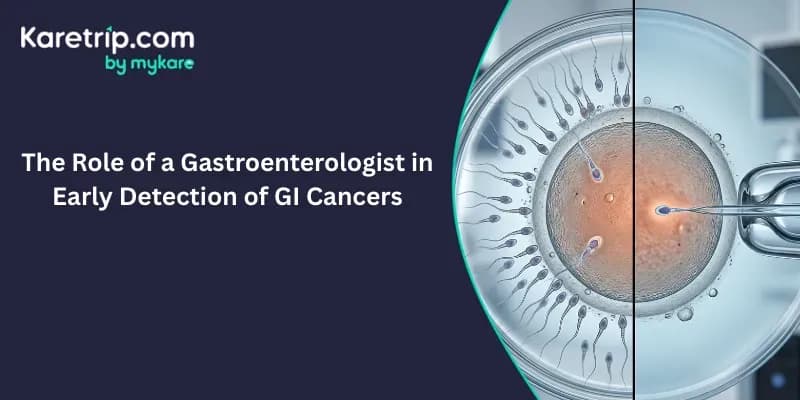
After the female partner undergoes hormonal stimulation to produce multiple mature eggs, those eggs are gently retrieved from her ovaries while she is under light anesthesia. Simultaneously, the male partner provides a semen sample. The embryologist washes and prepares the sperm, selecting the most active swimmers. In Traditional IVF, the embryologist places one mature egg in a laboratory dish and surrounds it with roughly 50,000 to 100,000 motile sperm.
The Key Feature of IVF
From this point on, nature takes over. The embryologist leaves the dish in a highly controlled, body-temperature incubator overnight. The thousands of sperm must swim toward the egg, compete with each other, and naturally break through the egg's outer membrane to fertilize it. The embryologist checks the dish the next morning to see if an embryo has formed.
Who is Traditional IVF Best For?
Traditional IVF relies on the sperm doing the heavy lifting. Therefore, it is generally recommended that the male partner’s sperm parameters (count, motility, and shape) are completely normal. Traditional IVF is primarily designed to overcome female infertility factors, such as blocked fallopian tubes, endometriosis, or unexplained infertility, where natural conception simply isn't happening despite healthy sperm.
3. ICSI: The Ultimate Solution for Male Infertility
If traditional IVF relies on thousands of sperm fighting to fertilize the egg, what happens if the male partner only has a few dozen healthy sperm? Or what if his sperm cannot swim at all? This is where standard IVF fails, and where Intracytoplasmic Sperm Injection (ICSI) steps in to save the day. ICSI (pronounced ick-see) was a monumental breakthrough in reproductive medicine, fundamentally changing the landscape of male infertility treatment.
How ICSI Works:
The initial steps of ICSI are completely identical to traditional IVF. The female partner takes stimulation medications, and her eggs are retrieved. The profound difference happens in the embryology laboratory. Instead of placing the egg in a dish surrounded by thousands of sperm and hoping for the best, the embryologist takes absolute control of the fertilization process.
Using an incredibly powerful, high-definition microscope and microscopic glass tools (micromanipulators), the embryologist visually examines the sperm sample. They search for the absolute best, single, most perfectly shaped sperm. Once they find it, they use a tiny, hollow glass needle to pick up that single sperm. The embryologist then carefully pierces the outer shell of the female egg and injects that single, chosen sperm directly into the center of the egg.
The Key Feature of ICSI:
ICSI completely bypasses the need for the sperm to swim or penetrate the egg on its own. While it maximizes the probability of fertilization by ensuring the sperm is placed directly inside the oocyte (egg), the subsequent biological fusion still depends on the cellular quality of both gametes.

 10 min read
Indian Medical Tourism – Myths Vs Reality
 10 min read
Availability of Home Care Services Post-Treatment in India
 10 minutes
 Kidney Transplant Laws in India for Foreigners (2026 Rules)
Get a Callback Now
4. Why ICSI is the Undisputed Champion for Men
When evaluating ICSI versus traditional IVF for male infertility, ICSI wins every time. It is specifically designed to overcome almost every severe male factor barrier. Here is why your doctor will recommend ICSI:
- Extremely Low Sperm Count: Because ICSI only requires one single healthy sperm for each available egg, a man with a critically low sperm count can still biologically father a child.
- Poor Motility (Zero Movement): If the sperm are alive but completely unable to swim, traditional IVF will fail. With ICSI, the embryologist acts as the transportation system, physically placing the motionless sperm inside the egg.
- Severe Abnormal Morphology: If almost all the sperm are misshapen, the embryologist uses high-magnification microscopes to hunt down the rare, perfectly shaped sperm to use for injection.
- Surgical Sperm Retrieval (Azoospermia): For men with zero sperm in their ejaculate, urologists can perform a minor surgical procedure (like TESE or PESA) to extract a tiny amount of sperm directly from the testicles. Because this surgically retrieved sperm is often immature and few in number, ICSI is the only way to achieve fertilization.
- Sperm DNA Fragmentation Index (DFI): where the genetic material inside the sperm is damaged, Indian embryologists often use advanced ICSI variants like PICSI (Physiological ICSI) or IMSI (Intracytoplasmic Morphologically Selected Sperm Injection).
5. Head-to-Head Comparison: A Quick Reference
To make it simple, here is a breakdown of how the two treatments compare:
| Feature | Traditional IVF | ICSI (Intracytoplasmic Sperm Injection) |
|---|---|---|
| Sperm Required per Egg | 50,000 to 100,000 | Exactly One (1) |
| Role of the Sperm | Must swim to the egg and break the shell independently | Bypasses all swimming and shell-breaking; injected directly |
| Fertilization Method | Natural selection in a laboratory dish | Assisted microscopic injection by an embryologist |
| Best Used For | Female infertility (blocked tubes, PCOS) with normal male sperm | Severe male infertility, low count, poor motility, or surgical extraction |
6. Why Choose India for Your Fertility Journey?
Reproductive medicine is not just about having the right machines; it is about the extreme skill of the embryologist operating the microscopic needles. The success of an ICSI cycle depends entirely on the steady hands and experienced eyes of the laboratory team.
When searching for the Best IVF hospital in india, international patients quickly realize that Indian embryology labs operate at a globally elite standard. Facilities in major hubs like Delhi, Mumbai, and Kolkata strictly adhere to international quality control standards. They utilize advanced incubators, laser-assisted hatching, and Preimplantation Genetic Testing (PGT) to ensure the highest possible live birth rates.
Furthermore, the cost of an ICSI cycle in the United States, the UK, or private Middle Eastern clinics can be financially crippling. By traveling to India, couples gain access to this premium, world-class technology at a fraction of Western costs, allowing them to comfortably afford multiple cycles if necessary, without the immense financial stress.
7. Your Safe Haven: The karetrip Logistics Advantage
An ICSI cycle is a deeply emotional and physically demanding process. The female partner will be taking daily hormone injections, and the emotional weight of waiting for embryo updates can be heavy. You cannot endure this process while worrying about visa applications, navigating confusing hospital waiting rooms, or living out of a cramped hotel room. karetrip is designed to build a protective, stress-free bubble around your family during your medical travel.
- Fast-Track Medical Visas: You need specific, stamped hospital documents to apply for an Indian Medical Visa. We bypass the slow hospital email queues. Once your basic reports are reviewed, we secure your official Visa Invitation Letter within 24 hours, ensuring your travel plans are never delayed.
- The Power of the Private Kitchen: Nutrition is critical during an IVF cycle. Eating processed restaurant food is heavily discouraged. We book you into premium, deeply sanitized serviced apartments close to the fertility clinic. These feature fully equipped private kitchens, allowing you to prepare fresh, anti-inflammatory, culturally familiar meals and administer your daily hormone injections in total privacy.
- Dedicated Language and Emotional Support: Discussing male infertility and reproductive anatomy requires absolute clarity. We provide dedicated, empathetic translators (Arabic, Bengali, French, Swahili) who accompany you to every consultation. You will fully understand every ultrasound, every semen analysis report, and every embryo grading update.
- FRRO & Legal Compliance: An IVF cycle takes time—often 3 to 5 weeks. If your doctor advises you to stay longer to monitor the early stages of the pregnancy, Indian law requires you to register with the Foreigners Regional Registration Officer (FRRO). karetrip handles this complex digital bureaucracy completely on your behalf, so you never have to worry about your legal status.
Conclusion: Reclaiming Your Dream of Fatherhood
Male infertility is a diagnosis, not a final destination. The medical science of today has evolved to ensure that almost no barrier is too great to overcome. While traditional IVF is a powerful tool, ICSI is the definitive, targeted answer for men struggling with low sperm count, poor motility, or abnormal morphology. It levels the playing field, ensuring that it only takes one healthy sperm to create the family you have always dreamed of.
By combining the elite embryological expertise found in India with the unwavering, compassionate logistical support of karetrip, your journey to parenthood is not just possible—it is highly secure, exceptionally comfortable, and entirely focused on your success.
Are you ready to explore your options for overcoming male infertility? Do not let the confusion of medical terminology delay your future. Chat with Rua, our dedicated patient care coordinator. Securely upload your latest Semen Analysis or fertility reports. Rua will instantly organise a priority, highly confidential clinical review with India’s leading reproductive endocrinologists, outline your specific ICSI treatment plan, and secure your urgent Visa Invitation Letter today.
Medical Disclaimer
The content provided in this blog is for informational and educational purposes only. Fertility treatments are highly individualized. The choice between traditional IVF and ICSI depends entirely on detailed clinical assessments of both the male and female partners, including a comprehensive Semen Analysis. karetrip facilitates priority appointments, travel logistics, and secure online clinical reviews, but does not provide direct medical advice.

The Core Difference: Traditional IVF relies on thousands of sperm swimming to fertilize an egg naturally. ICSI involves an embryologist manually injecting a single, chosen sperm directly into the egg
The Male Solution: ICSI is the absolute gold standard for treating severe male infertility, including low count, poor movement, and irregularly shaped sperm.
Hope for Azoospermia: Even if a man has zero sperm in his ejaculate, urologists can surgically extract sperm from the testicles and successfully use it for an ICSI cycle.
Clinical Excellence: India is a global leader in advanced embryology, offering elite ICSI technology at highly accessible costs for international patients.
karetrip’s Protection: Focus solely on your growing family. Let karetrip secure your fast-track Medical Visa, manage your clinical appointments, and provide a private, kitchen-equipped apartment for a stress-free cycle.
Source Links
American Society for Reproductive Medicine (ASRM)



