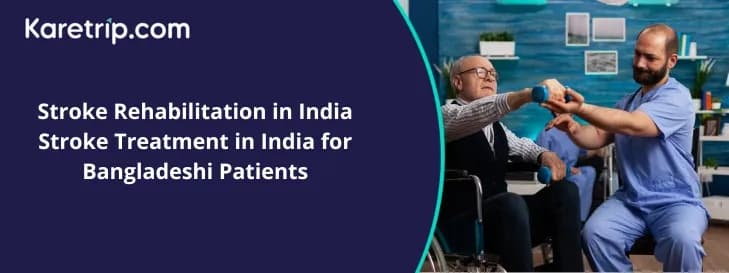

A stroke can change a person's life within minutes, affecting movement, speech, memory, balance, and independence. While emergency treatment is critical, rehabilitation plays an equally important role in helping stroke survivors regain physical function, rebuild confidence, and improve their quality of life.
Many Bangladeshi patients travel to India not only for acute stroke treatment but also for comprehensive rehabilitation programs that focus on recovery after hospitalization. With specialized neurorehabilitation centers, experienced neurologists, physiotherapists, occupational therapists, and speech therapists, India has become a preferred destination for stroke recovery and long-term rehabilitation.
What Is Stroke Rehabilitation?
Stroke rehabilitation is a structured recovery program designed to help patients regain lost abilities after a stroke. The goal is to improve physical function, communication skills, cognitive abilities, and daily living activities.
Depending on the severity of the stroke, rehabilitation may include:
- Physiotherapy
- Occupational therapy
- Speech and language therapy
- Cognitive rehabilitation
- Swallowing therapy
- Balance and gait training
- Psychological counseling
- Neurological rehabilitation
The earlier rehabilitation begins, the better the chances of recovery in many patients.
Common Problems After a Stroke
Many stroke survivors experience challenges such as:
Weakness or Paralysis
Patients may develop weakness on one side of the body, making walking, standing, or performing daily activities difficult.
Speech and Communication Difficulties
Some patients may struggle with speaking, understanding language, reading, or writing after a stroke.
Swallowing Problems
Stroke can affect muscles involved in swallowing, increasing the risk of choking and nutritional complications.
Memory and Cognitive Changes
Patients may experience difficulties with concentration, memory, decision-making, and problem-solving skills.
Emotional and Psychological Changes
Depression, anxiety, frustration, and emotional instability are common during stroke recovery.
Advanced Stroke Rehabilitation Programs Available in India
Physiotherapy and Mobility Training
Physiotherapy helps patients regain muscle strength, improve coordination, enhance balance, and restore walking ability. Therapists use personalized exercise programs designed according to the patient's condition and recovery goals.
Occupational Therapy
Occupational therapists help patients relearn everyday activities such as dressing, eating, bathing, writing, and using household items independently.
Speech and Language Therapy
Patients who experience communication difficulties after a stroke often benefit from speech rehabilitation programs focused on speaking, understanding language, swallowing, and cognitive communication skills.
Robotic Rehabilitation Technology
Many advanced rehabilitation centers in India use robotic-assisted therapy devices that support repetitive movement training and motor recovery in stroke patients.
Neurorehabilitation Programs
Comprehensive neurorehabilitation combines multiple therapies under one program to address physical, cognitive, emotional, and functional recovery.
Stroke Rehabilitation Cost in India
The cost of Stroke Rehabilitation in India depends on:
- Severity of stroke
- Duration of rehabilitation
- Hospital or rehabilitation center
- Type of therapy required
- Inpatient or outpatient treatment
- Use of robotic rehabilitation technology
Estimated Rehabilitation Costs
| Treatment Type | Estimated Cost |
|---|---|
| Physiotherapy Session | ₹500 – ₹3,000 |
| Speech Therapy Session | ₹800 – ₹3,500 |
| Occupational Therapy Session | ₹800 – ₹3,500 |
| Inpatient Rehabilitation Program | ₹50,000 – ₹3,00,000+ |
| Comprehensive Neurorehabilitation Program | ₹1,00,000 – ₹5,00,000+ |
Actual costs vary depending on the patient's recovery needs and treatment plan.
Factors That Influence Stroke Recovery
Time to Treatment
Patients who receive emergency stroke treatment quickly often have better rehabilitation outcomes.
Severity of Brain Injury
Recovery potential depends on the area of the brain affected and the extent of damage caused by the stroke.
Age and General Health
Younger patients and those without major medical complications may recover more effectively.
Consistency of Rehabilitation
Regular participation in therapy sessions is one of the most important factors influencing long-term recovery.
Family Support
Strong caregiver involvement often contributes positively to rehabilitation outcomes.
Why Many Bangladeshi Patients Choose India for Stroke Rehabilitation
Specialized Neurorehabilitation Centers
India has dedicated rehabilitation hospitals and neuroscience centers that focus specifically on stroke recovery.
Multidisciplinary Treatment Teams
Patients receive coordinated care from neurologists, rehabilitation physicians, physiotherapists, speech therapists, psychologists, and occupational therapists.
Advanced Rehabilitation Technologies
Many hospitals offer robotic rehabilitation, gait training systems, virtual reality therapy, and modern neurological recovery programs.
Comprehensive Long-Term Care
Patients can access ongoing rehabilitation, follow-up assessments, and recovery monitoring under one healthcare system.
International Patient Services
Many hospitals provide dedicated support for international patients, including accommodation assistance and treatment coordination.
How Karetrip Helps Bangladeshi Patients During Stroke Rehabilitation
Recovering from a stroke often requires weeks or months of coordinated care. Managing appointments, therapy schedules, accommodation, and hospital communication can be challenging for patients and caregivers.
Through Karetrip, patients can receive assistance with:
Neurologist and Rehabilitation Specialist Consultations
Helping patients connect with experienced stroke rehabilitation experts.
Medical Report Review
Coordinating evaluation of MRI scans, CT scans, discharge summaries, and treatment records.
Rehabilitation Center Selection
Helping identify hospitals and rehabilitation facilities based on the patient's recovery needs.
Appointment Scheduling
Coordinating consultations, therapy sessions, and rehabilitation programs.
Medical Visa Assistance
Providing guidance regarding treatment-related travel documentation.
Accommodation and Travel Support
Helping arrange accommodation near rehabilitation centers and assisting with travel coordination.
Follow-Up Rehabilitation Planning
Supporting long-term therapy coordination and recovery management after discharge.
Why Patients Connect with RUA
Many patients connect with RUA through Karetrip for personalized healthcare guidance during stroke recovery. RUA helps simplify communication with hospitals, coordinate therapy schedules, assist with accommodation planning, and provide support throughout the rehabilitation journey.
For many families managing long-term recovery after stroke, organized support can reduce stress and help ensure continuity of care.
Conclusion
Stroke rehabilitation is a critical part of recovery and can significantly improve mobility, independence, communication, and quality of life. While recovery timelines vary from person to person, early intervention, consistent therapy, and specialized rehabilitation programs often contribute to better outcomes.
India has become a preferred destination for Bangladeshi patients seeking comprehensive stroke rehabilitation because of its experienced specialists, advanced rehabilitation technologies, multidisciplinary care teams, and organized recovery programs. With proper treatment planning and ongoing support, many stroke survivors can achieve meaningful improvements in daily functioning and long-term recovery.
Medical Disclaimer
This article is intended for informational and educational purposes only and should not be considered medical advice, diagnosis, or treatment recommendation. Stroke rehabilitation plans, costs, recovery timelines, and outcomes vary depending on the patient's medical condition, stroke severity, age, overall health, and response to therapy. Patients should consult qualified neurologists and rehabilitation specialists before making healthcare decisions.