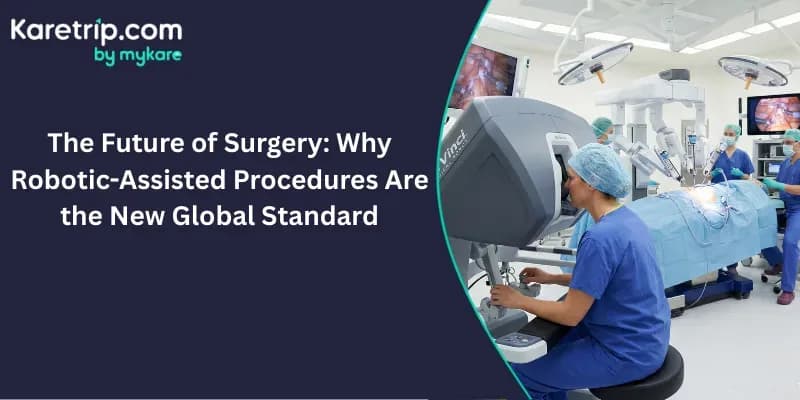

Surgical technology has evolved significantly over the past two decades. One of the most notable advancements is robotic-assisted surgery — a technique designed to enhance precision, control, and minimally invasive capabilities.
Today, robotic-assisted procedures are increasingly used across specialities such as urology, cardiothoracic surgery, gynecology, oncology, and orthopedics. While not universally required for every operation, robotic systems are becoming an important component of modern surgical infrastructure in many tertiary hospitals.
Considering robotic surgery? Ask RUA for a personalised “Robotic Procedure Guide.”
What Is Robotic-Assisted Surgery?
Robotic-assisted surgery is a minimally invasive surgical technique in which the surgeon controls robotic instruments through a high-definition console.
One of the most widely used robotic surgical platforms globally is the da Vinci Surgical System.
Despite the name, robots do not operate independently. The surgeon remains in full control at all times, guiding every movement with enhanced visualisation, motion scaling, and improved ergonomics.
How Robotic Surgery Works
A robotic system typically includes:
- A surgeon’s console with 3D high-definition vision
- Robotic arms holding surgical instruments
- A patient-side cart
- Advanced motion-scaling technology
The system translates the surgeon’s hand movements into smaller, more precise instrument movements inside the body. This can allow improved dexterity in confined or delicate anatomical areas.
Why Robotic-Assisted Surgery Is Becoming More Common
1. Greater Precision
Robotic systems can filter hand tremors and allow controlled movements, which may be particularly useful in delicate procedures such as prostate surgery or cardiac valve repair. However, outcomes depend heavily on surgeon training and case selection.
2. Smaller Incisions
Most robotic procedures are minimally invasive, which may involve:
- Smaller surgical cuts
- Reduced blood loss (in selected procedures)
- Less visible scarring
- Potentially lower infection risk compared to open surgery
Not all procedures are suitable for minimally invasive techniques.
3. Faster Recovery (In Selected Cases)
Compared to traditional open surgery, robotic procedures may result in:
- Shorter hospital stays
- Reduced post-operative pain
- Earlier return to daily activities
Recovery timelines vary depending on the patient’s health condition, type of surgery, and post-operative care.
4. Enhanced 3D Visualisation
Surgeons operate using magnified, high-definition 3D views of internal anatomy. This may improve anatomical identification and precision during complex procedures.
5. Potential Benefits in Specific Procedures
Robotic-assisted surgery has shown promising outcomes in selected procedures, including:
- Prostate cancer surgery
- Gynecologic tumor removal
- Colorectal surgery
- Kidney procedures
- Mitral valve repair
Clinical data continues to evolve as more hospitals adopt robotic platforms. Benefits are procedure-specific and not universal.


Specialities Leading Robotic Surgery Adoption
Robotic systems are commonly used in:
- Urology
- Gynecology
- Oncology
- Cardiothoracic surgery
- Orthopedic joint replacement (in selected centres)
- General surgery
Many leading hospitals now incorporate robotic systems as part of their advanced surgical services, although traditional methods remain appropriate for many cases.
Why International Patients Consider Robotic Surgery
Medical travelers may choose robotic-assisted procedures because they may:
- Reduce hospital stay duration (in suitable cases)
- Lower certain post-operative complication risks
- Minimize visible scarring
- Allow quicker return travel, if medically stable
Countries like India have expanded robotic surgery programs in recent years, increasing accessibility and, in some cases, offering cost advantages compared to Western countries. However, suitability must be determined by a qualified surgeon.
Not sure if robotic surgery is right for you? Ask RUA for personalized guidance.
Is Robotic Surgery Safe?
Robotic-assisted surgery is generally considered safe when performed by trained and experienced surgeons in properly equipped hospitals.
However, like all surgical procedures, it carries potential risks such as:
- Bleeding
- Infection
- Anesthesia-related complications
- Rare device-related technical issues
- Conversion to open surgery if required
Careful patient selection, surgeon expertise, and institutional protocols play critical roles in surgical outcomes.
The Future of Robotic Surgery
Emerging developments in surgical innovation include:
- AI-assisted surgical planning
- Real-time data integration
- Remote telesurgery research
- Improved robotic ergonomics
- Broader accessibility across healthcare systems
As technology advances, robotic-assisted procedures may become more refined, though traditional surgical techniques will continue to play an essential role.
How Karetrip Supports Robotic Surgery Patients
At karetrip.com we help patients:
- Identify hospitals offering robotic surgery
- Connect with experienced robotic surgeons
- Compare treatment costs
- Arrange consultations before travel
- Coordinate medical documentation
RUA AI assists by:
- Explaining robotic procedures in simplified terms
- Comparing robotic vs. traditional surgical options
- Providing pre-surgery preparation checklists
- Offering general recovery guidance
- Answering patient questions promptly
Medical Disclaimer
This content is for informational purposes only and does not constitute medical advice, diagnosis, or treatment. Robotic-assisted surgery suitability depends on individual medical conditions, surgical indication, surgeon expertise, and hospital infrastructure. Not all patients are candidates for robotic procedures. Always consult a qualified healthcare professional for personalized medical evaluation before making surgical decisions.