Why Knee Pain Increases in Cold Weather? Medical Reasons Explained
In This Article
Why Knee Pain Increases in Cold Weather? Medical Reasons Explained

Navaneeth P S
Updated on February 13, 2026

Medically verified by Navaneeth P S
Fact checked by Dr. Arya
Orthopaedics
10 Minutes

Cold weather may worsen knee pain, especially in arthritis
Reduced circulation and muscle stiffness contribute to symptoms
Lower activity levels can increase joint stress
Simple lifestyle measures can reduce winter discomfort
Karetrip and RUA help guide joint care decisions
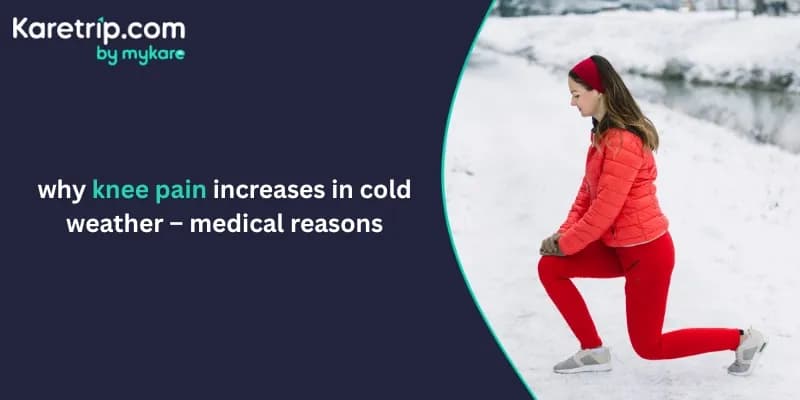
Many people notice that knee pain gets worse during cold weather, especially in winter or rainy seasons. If your knees feel stiffer, more painful, or harder to move when temperatures drop, there are understandable medical factors that may contribute.
Feeling more knee pain this winter? Ask RUA for the “Cold Weather Joint Care” guide.
How Cold Weather Affects the Knee Joint
Cold weather may influence joints by:
- Reducing blood flow to surrounding tissues
- Increasing muscle stiffness
- Changing pressure within and around the joint
- Increasing pain sensitivity in nerves
These factors can make existing knee conditions more symptomatic, particularly in individuals with underlying joint disease.
Medical Reasons Knee Pain May Increase in Winter
1. Osteoarthritis Symptoms May Worsen
In osteoarthritis, the protective cartilage in the knee gradually wears down.
Cold temperatures may:
- Increase joint stiffness
- Reduce flexibility of surrounding soft tissues
- Make movement feel more painful
Common symptoms include:
- Pain while walking
- Stiffness after rest
- Difficulty climbing stairs
People with established knee arthritis often notice seasonal variation in symptoms.
2. Changes in Air Pressure (Barometric Pressure)
Some research suggests that when barometric pressure drops during cold or rainy weather:
- Tissues around the joint may expand slightly
- Inflamed joints may become more sensitive
Although the exact mechanism is not fully understood, many patients with arthritis report increased discomfort during weather changes.
3. Reduced Blood Circulation
Cold temperatures cause blood vessels to constrict (vasoconstriction). This may:
- Reduce oxygen supply to muscles
- Increase muscle tightness
- Contribute to stiffness and discomfort
This effect is usually temporary and improves with warming and gentle movement.
4. Muscle Tightness and Reduced Activity
During winter, people tend to:
- Move less
- Avoid outdoor exercise
- Stay indoors for longer periods
Reduced physical activity can lead to weaker thigh muscles (quadriceps), which play an important role in supporting the knee joint. Weak support muscles increase stress on the knee, potentially worsening pain.
5. Old Injuries May Feel More Symptomatic
Previous knee injuries or surgeries may feel more uncomfortable in cold weather because:
- Scar tissue can become stiff
- Sensory nerves may be more reactive
- Reduced movement increases joint stiffness
This is commonly reported after ligament injuries, meniscus tears, or cartilage procedures.
Who Is More Likely to Have Winter Knee Pain?
- People with osteoarthritis
- Elderly individuals
- Those with previous knee injuries
- Overweight individuals
- People with low vitamin D levels
- Individuals with inflammatory joint conditions
Not sure why your knee pain worsens in winter? Ask RUA for guidance.
What Helps Reduce Knee Pain in Cold Weather?
Simple measures can help manage symptoms:
- Keep knees warm with layered clothing or supports
- Perform gentle stretching daily
- Stay physically active indoors
- Maintain a healthy body weight
- Use warm compresses for stiffness
- Follow doctor-advised pain management strategies
Regular low-impact exercises such as walking, stationary cycling, or physiotherapy-guided strengthening can help maintain joint function.

 6 min read
Top Orthopaedic Hospitals In Bangalore For Bone And Joint Care
 10 min read
Impact of Untreated Back Problems
 10 min read
Non-Surgical Treatments for Back Pain
Get a Callback Now
When Should You See a Doctor?
Consult a doctor if:
- Pain is severe or progressively worsening
- Swelling increases significantly
- The knee locks, catches, or gives way
- Pain limits daily activities
- There is redness, warmth, or fever (possible infection)
Early evaluation can help identify treatable causes and prevent long-term joint damage.
How Karetrip Helps with Knee Pain Care
At karetrip.com, we help patients:
- Understand causes of joint pain
- Connect with orthopedic specialists
- Get treatment guidance
- Plan care in India if needed
Need winter joint care advice? Ask RUA to get started.
Medical Disclaimer
This content is for general information only and does not replace professional medical advice, diagnosis, or treatment. Always consult a qualified healthcare provider for proper evaluation of knee pain, especially if symptoms are severe, persistent, or associated with swelling or instability.



