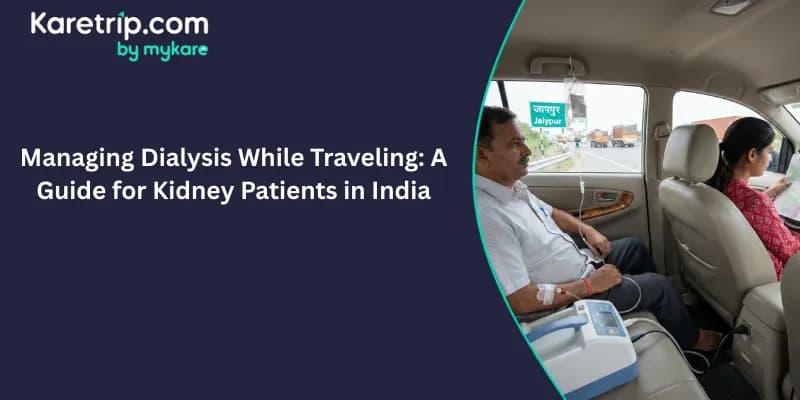

For travellers with Chronic Kidney Disease (CKD), planning a trip can feel complicated. The concern about missing a dialysis session or finding a safe, hygienic centre often leads many patients to postpone travel.
However, being on dialysis does not necessarily mean you must avoid travel entirely.
India has developed a wide network of dialysis centres across major metropolitan cities and tourist destinations such as Goa, Kerala, Delhi, Mumbai, and Rajasthan. With proper planning, many patients are able to travel while maintaining scheduled dialysis treatments.
At Karetrip, we assist with medical logistics coordination. While you focus on your travel plans, we help ensure your dialysis schedule is arranged in advance. Here is your essential guide to managing dialysis safely while travelling in India.
1. The "Guest Slot" System (Booking in Advance)
Dialysis centres cannot usually accommodate walk-in patients without prior booking. Many Indian hospitals allocate specific machines and time slots for transient patients, often referred to as "Guest Slots." These may fill quickly, especially during peak tourist seasons.
- The Golden Rule: Contact dialysis centres at least 4 to 6 weeks before your travel date.
- Flexibility: You may need to adjust sightseeing plans according to available dialysis shifts. Evening or night slots may be offered if morning shifts are reserved for regular patients.
Advance written confirmation from the dialysis unit is strongly recommended before departure.
2. The "Ticket to Entry" (Mandatory Viral Markers)
One of the most common reasons for denial of dialysis access is incomplete documentation. Indian dialysis centres follow strict infection control protocols.
You may be denied treatment if you do not provide recent lab results.
Must-Have Lab Tests
(usually required within the last 30 days, depending on centre policy):
- HIV I & II
- HBsAg (Hepatitis B surface antigen)
- Anti-HCV (Hepatitis C antibody)
Pro Tip: Carry your home nephrologist’s recent clinical summary, including:
- Dialysis prescription
- Dry weight
- Blood flow rate
- Dialysate composition
- Vascular access details
- “Fit to Travel” or “Fit to Fly” certificate
Each centre may have its own documentation requirements.
3. Safety Check: "Single-Use" vs. "Re-use" Dialysers
When arranging dialysis, you may be asked about dialyser preference.
-
Standard Practice (Re-use): In some centres, dialysers are reprocessed and reused for the same patient, following regulated sterilization protocols.
-
Single-Use Option: Some travellers prefer requesting a brand-new, factory-sealed dialyser for each session. This may involve additional cost depending on hospital policy.
Policies vary by centre. Infection control standards depend on facility protocols and regulatory compliance. Patients should clarify sterilization practices directly with the dialysis unit before confirming booking.
Dialysis pricing in India is generally lower than in many Western countries, but exact charges vary depending on city, hospital category, consumables used, and session frequency.
4. Managing Diet and Fluid Limits on the Road
Travel introduces dietary challenges for CKD patients.
-
Watch Sodium Intake: Restaurant meals and packaged foods may contain high salt levels, increasing thirst and fluid retention. Request reduced salt preparation when possible.
-
Fluid Monitoring: Warmer climates may increase perspiration, but fluid limits must still follow your nephrologist’s advice. Use measured bottles or tracking apps to monitor intake.
-
Potassium Awareness: Certain fruits, coconut water, and restaurant dishes may be high in potassium. Carry kidney-friendly snacks approved by your nephrologist.
-
Medication Timing: Maintain consistent timing for phosphate binders, antihypertensives, and other prescribed medications.
Conclusion: Pack Your Bags, Plan Your Dialysis
Traveling on dialysis requires structured planning, documentation, and confirmed appointments.
You need clarity on:
- Dialysis centre location
- Confirmed booking time
- Machine availability
- Infection control requirements
- Emergency backup hospital
You do not have to navigate these logistics alone.
Need a dialysis slot near your hotel? Ask Rua to help coordinate it.
Share your hotel location and dialysis prescription details with our AI agent, Rua. Rua will check availability within our network of dialysis centres and assist in forwarding your medical summary for preliminary review subject to centre approval.
Medical Disclaimer The content provided in this blog is for informational purposes only and does not replace professional medical advice. Dialysis standards, protocols, and availability vary by facility. Always consult your primary nephrologist before planning travel. Ensure you carry all recent medical reports, particularly viral markers, as dialysis centres may refuse treatment without required documentation. Karetrip facilitates coordination but does not provide dialysis treatment or guarantee medical outcomes at third-party centres.