Crohn’s Disease
Crohn's disease is a chronic inflammatory bowel disease (IBD) that affects the gastrointestinal tract, primarily the small intestine and colon. While there is no cure, treatment options include medication, lifestyle changes, and sometimes surgery to manage symptoms and maintain remission. Early diagnosis and personalized care are crucial for improving quality of life.
 Advanced treatments
Personalized care
Support resources
Crohn's disease is a chronic inflammatory bowel disease (IBD) that affects the gastrointestinal tract, primarily the small intestine and colon. While there is no cure, treatment options include medication, lifestyle changes, and sometimes surgery to manage symptoms and maintain remission. Early diagnosis and personalized care are crucial for improving quality of life.
Symptoms Of Crohn’s Disease
Symptoms
 Abdominal pain
 Weight loss
 Fatigue
 Blood in the stool FeverPersistent diarrhea
Types of conditions
There are 5 main types of Crohn’s Disease
Lleocolitis
Lleitis
Gastroduodenal
Jejunoileitis
Crohn’s Colitis
Lleocolitis
This is the most common form, affecting both the terminal ileum and the large intestine (colon).
This type is isolated to the terminal ileum and may lead to stricture formation and intestinal obstruction due to chronic inflammation and fibrosis.
A rarer form that affects the stomach and proximal duodenum, often causing epigastric pain, nausea, vomiting, or occasionally gastric outlet obstruction.
This creates scattered (skip) patches of inflammation in the upper part of the small intestine, particularly the jejunum, and may cause abdominal pain and malabsorption
This version is limited strictly to the colon and may present symptoms similar to other bowel disorders, but is characterised by transmural inflammation and skip lesions
Causes of Crohn’s Disease
-
Genetics: Family history of Crohn's disease or other inflammatory bowel diseases increases risk. Specific gene mutations, such as NOD2/CARD15, are linked to a higher likelihood of developing the disease.
-
Immune System Dysfunction: An abnormal immune response may mistakenly attack healthy cells in the gastrointestinal tract, leading to inflammation.
-
Environmental Factors: Smoking is a significant risk factor for Crohn's disease. Urban living and a Western diet high in fat and processed foods may contribute to the disease's development.
-
Gut Microbiome Imbalance: Changes or imbalances in the normal gut bacteria might trigger or exacerbate inflammation in susceptible individuals.
-
Previous Infections: Some studies suggest that previous infections, particularly in the gastrointestinal tract, may influence the onset of Crohn's disease.
-
Stress: While stress does not directly cause Crohn's, it can exacerbate symptoms and trigger flare-ups.
-
Age and Ethnicity: Most commonly diagnosed in people under 30 but can occur at any age.
-
Higher prevalence in certain ethnic groups, such as Ashkenazi Jews.
Diagnosis
- Blood tests: To check for inflammation or anemia.
- Stool tests: To rule out infections.
- Endoscopy or colonoscopy: To visualize the inside of the GI tract and obtain tissue samples (biopsies).
- Imaging tests: Such as CT scans or MRI, to assess the extent of inflammation.
Treatments for Crohn’s Disease
Medications: Anti-inflammatory drugs, immune system suppressors, antibiotics, and biologics (targeted therapies).
Diet and nutrition: Specific diets and nutritional supplements can help manage symptoms and prevent malnutrition.
Surgery In cases where medication is ineffective, surgery may be necessary to remove damaged portions of the intestine, treat complications, or create a new pathway for waste.
Your journey to good health begins here

Accredited Hospitals
Nationally accredited hospitals for high-quality care

Multi-language Support
Convey your needs in the language you're most comfortable in

Travel Booking Assistance
Seamless booking assistance for your healthcare journey

Personalised Treatment Plans
A treatment journey tailored to all your preferences and needs

Unparalleled Hospitality
Experience exceptional hospitality during your stay

Easy Medical Visa Approvals
Dedicated assistance for medical visa requirements

Your Medical Assistant
Get instant help planning your treatment journey
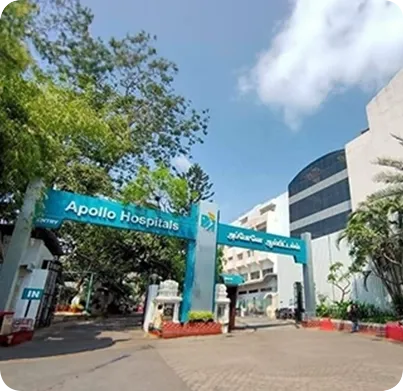
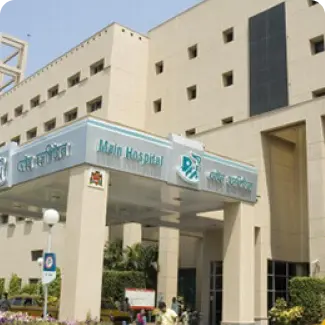
The best hospitals are partnered with Karetrip
Access world-class facilities from top hospitals








Consult with the most experienced doctors
Experience premium care from leading specialists






Cost estimation
Learn about the expenses involved in the procedure and what factors affect them.

The cost of Crohn's disease treatment in India can vary due to several factors. Key contributors include the complexity of diagnostic evaluations such as endoscopies and advanced imaging, the type of pharmacological therapy—ranging from conventional medications to advanced biologics—and the necessity of surgical interventions in complex cases. Post-operative care, including hospital stays and long-term nutritional support, also influences overall expenses. Factors such as the clinical stage of the condition and the location of the healthcare facility can impact the total expenditure. These costs are estimated base ranges; for patients travelling from Bangladesh, Oman, Sri Lanka, and other regions, final pricing may vary based on nationality-specific registration, medical visa assistance, and specialised concierge services. Our team can provide personalised guidance to help you understand the specific costs associated with Crohn's disease management based on your unique case and medical recommendations.
Get Cost EstimationThe average cost of Crohn’s Disease in India is around 30,000 to 75,000.

75,000
High Cost
1,50,000.
Average Cost
30,000
Low Cost
The LIST of AVERAGE COST of the Crohn’s Disease across TOP 0 cities in India in Indian Rupee (INR) is as follows :
City
Lowest Cost
Average Cost
Highest Cost
Commonly Asked Questions
What is Crohn's disease, and how does it differ from other IBDs?
A chronic inflammatory bowel disease affecting any part of the GI tract, unlike ulcerative colitis, which only affects the colon.
What are the common symptoms of Crohn's disease?
Diarrhea, abdominal pain, fatigue, weight loss, and blood in the stool.
What causes Crohn's disease, and who is at risk?
Genetics, immune system issues, environmental factors, and gut microbiome imbalances. Family history and smoking can increase risk.
How is Crohn's disease diagnosed?
Through blood and stool tests, endoscopy, colonoscopy, and imaging like CT or MRI scans.
What treatment options are available for Crohn's disease?
Medications (anti-inflammatories, immunosuppressants), diet changes, and surgery in severe cases.
Is there a cure for Crohn's disease?
No cure, but treatments help manage symptoms and maintain remission.
What dietary changes should someone with Crohn's consider?
Avoid trigger foods, eat a balanced diet, and sometimes use supplements to prevent malnutrition.
How can flare-ups be prevented or managed?
By adhering to medications, managing stress, and avoiding known triggers like certain foods or smoking.
What are the potential complications of Crohn's disease?
Bowel obstruction, ulcers, fistulas, malnutrition, and an increased risk of colon cancer.
Can Crohn's disease affect other parts of the body?
Yes, it can cause joint pain, skin conditions, and eye inflammation.
How does Crohn's disease impact daily life?
It can affect diet, energy levels, and overall quality of life, requiring lifestyle adjustments and support.
What is the long-term outlook for someone with Crohn's disease?
With proper treatment, many can achieve long-term remission and manage symptoms effectively.



"I had a successful surgery at Fortis Escorts Hospital, and it was all thanks to Karetrip's help in finding the right hospital for me. The entire process was smooth and stress-free, with Karetrip handling all the arrangements and answering any questions I had. The medical team at the hospital was outstanding, and the facilities were top-notch. I highly recommend Karetrip to anyone looking for a tension-free healthcare experience."
Read MoreFatima
Chattogram

"Thanks to Karetrip, I got connected with MAX Hospital in New Delhi. The team guided me through every step - from finding the right doctor to handling travel and visas. They made a daunting process feel like a breeze. The care I received at MAX Hospital was outstanding, and I can't thank Karetrip enough for making it possible. They truly put patients first and go the extra mile to ensure a smooth healthcare journey. I'm grateful beyond words!"
Read MoreHasan
Dhaka

"At first, I was unsure about having a medical procedure done in a foreign country. However, Karetrip's team at Indraprastha Apollo Hospital made me feel much better. The hospital was very clean, modern, and had everything they needed to help me. The staff were very kind and did everything they could to make me feel comfortable. I'm really happy with how my treatment turned out, and I appreciate Karetrip for making it easy and stress-free."
Read MoreImran
Sylhet
 Google Reviews4.9/5



I had a successful surgery at Fortis Escorts Hospital, and it was all thanks to Karetrip's help in finding the right hospital for me. The entire process was smooth and stress-free, with Karetrip handling all the arrangements and answering any questions I had. The medical team at the hospital was outstanding, and the facilities were top-notch. I highly recommend Karetrip to anyone looking for a tension-free healthcare experience.
Fatima
Chattogram
Google Reviews4.9/5